Sep 18, 2026Services Overview
The Hidden Cost of an Unreliable Supplier
An unreliable supplier can cost more than the difference in unit price. Learn how quality issues, delays, poor communication and uncertainty affect B2B purchasing.
An unreliable supplier can cost more than the difference in unit price. Learn how quality issues, delays, poor communication and uncertainty affect B2B purchasing.

Why do buyers look for a new supplier when they already have one? Explore the real reasons behind second-supplier searches, from consistency and lead time to supply chain risk.

Choosing PET felt is sometimes connected to how the material will be cut. Understanding the cutting process can help suppliers and buyers discuss the material more practically.

A PET felt supplier should understand more than production. Cutting, testing, processing and application can all affect how useful the material is to the customer.

Comparing PET felt suppliers? Learn which specifications, quality, processing and total costs to check before choosing the lowest quotation.

Buying PET felt acoustic panels? Here are the key questions to ask about drawings, samples, tolerance, specifications, packaging and delivery before ordering.
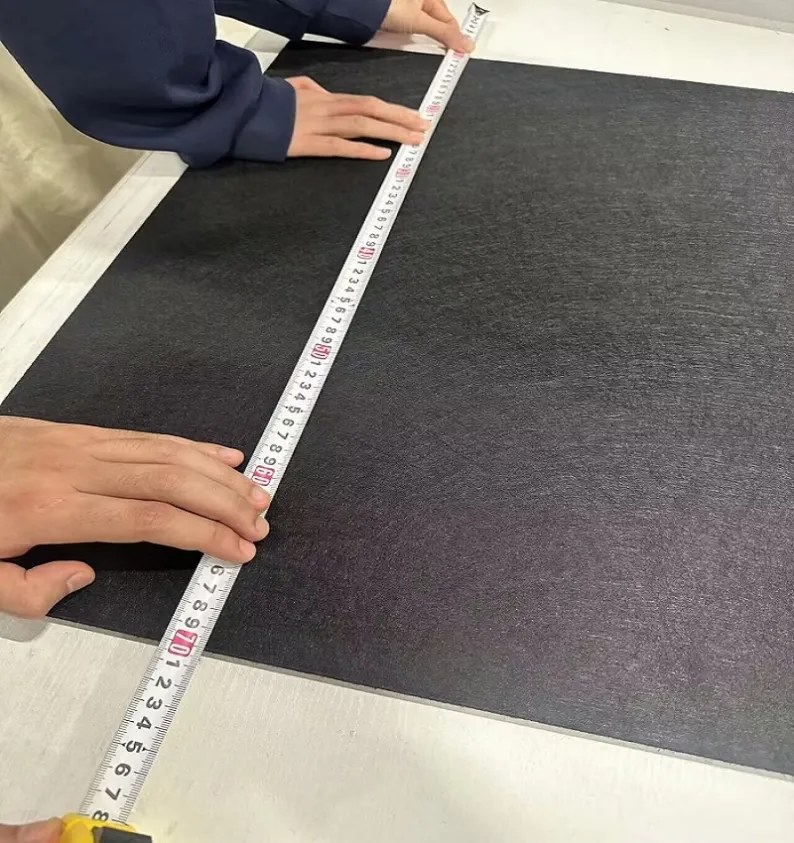
PET felt and wood slat panels are not always competing products. Learn how PET felt can be used as acoustic backing and what manufacturers should check before sourcing.

This article explains how production limits, shipping efficiency, and downstream nesting optimization drive size choices, helping designers understand real cost logic beyond the board itself.

Why custom PET felt panels usually have a higher MOQ, why colours cannot always be mixed, and how buyers can plan inventory more efficiently.