Sep 17, 2026Services Overview
Why Buyers Keep Looking for New Suppliers
Why do buyers look for a new supplier when they already have one? Explore the real reasons behind second-supplier searches, from consistency and lead time to supply chain risk.

Why Buyers Keep Looking for New Suppliers
If a buyer already has a supplier, why would they spend time looking for another one?
This is a question suppliers often ask.
From the outside, it can seem unnecessary. If the current supplier can provide the product, why change?
But in B2B purchasing, finding a new supplier does not always mean the buyer wants to replace the existing one.
Sometimes, they simply want another option.
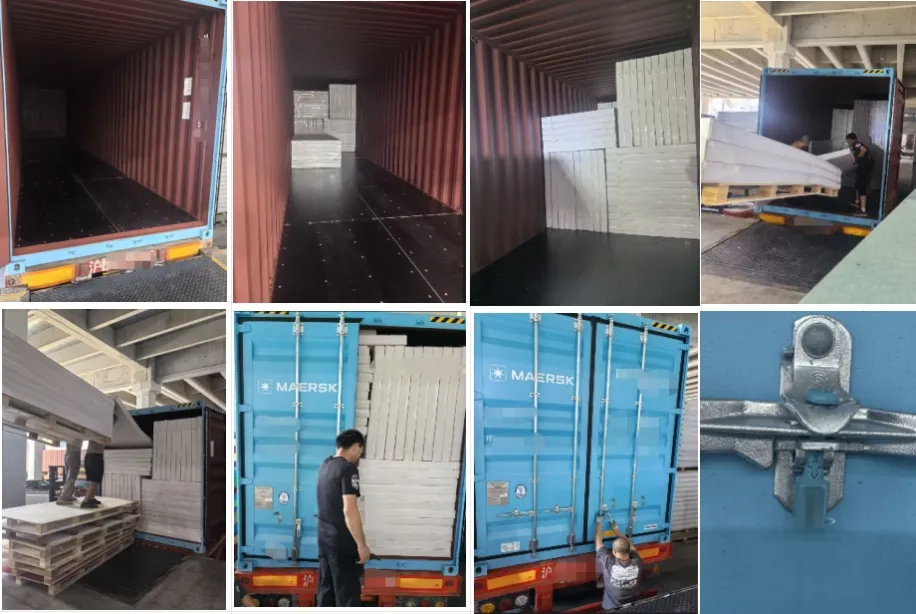
Having a Supplier Is Not the Same as Having Enough Supply
A buyer may already have a supplier they have worked with for years.
The quality is acceptable. The price is acceptable. The relationship is also acceptable.
But things can change.
The supplier may become too busy during a peak season. Lead times may become longer. A certain specification may no longer be available. MOQ may become difficult for a new product. Or the buyer may simply want to reduce the risk of depending on one source.
This is why some importers and manufacturers look for a second supplier even when there is no immediate problem with the first one.
It is not always about replacement.
It can be about having a backup before a problem happens.
The Second Supplier Is Often About Risk
For a buyer, the cost of a supply problem can be much higher than the price difference between two suppliers.
The question is not only:
“Who can offer the lowest price?”
There are other questions:
- Can the supplier keep the same thickness and density from batch to batch?
- Can the required colours be supplied consistently?
- Can the supplier keep a reasonable lead time when demand increases?
- What happens if part of an order has a quality problem?
- How flexible is the supplier when a new size or specification is needed?
- If the main supplier cannot ship on time, is there another source available?
These questions may not appear on a quotation sheet, but they are part of the real purchasing decision.
For this reason, a second supplier can be valuable even if the first supplier is still being used.
Buyers May Not Tell You the Whole Reason at First
There is another interesting part of B2B purchasing.
A buyer may say:
“We already have a supplier.”
That does not necessarily mean:
“We are not interested.”
It may simply mean they are not ready to change anything yet.
They may be checking the market.
They may be comparing specifications.
They may want to understand another supplier's MOQ.
They may be testing samples before making any decision.
Or they may want to know whether another factory can support them if their current supply becomes difficult.
This is especially common when the buyer is importing regularly. Changing a supplier involves time, testing, communication and risk. Most professional buyers will not change simply because another supplier sends a lower price.
They need a reason to trust the new source.
Consistency Can Be More Important Than a Small Price Difference
For PET felt, a buyer may compare more than the price per sheet.
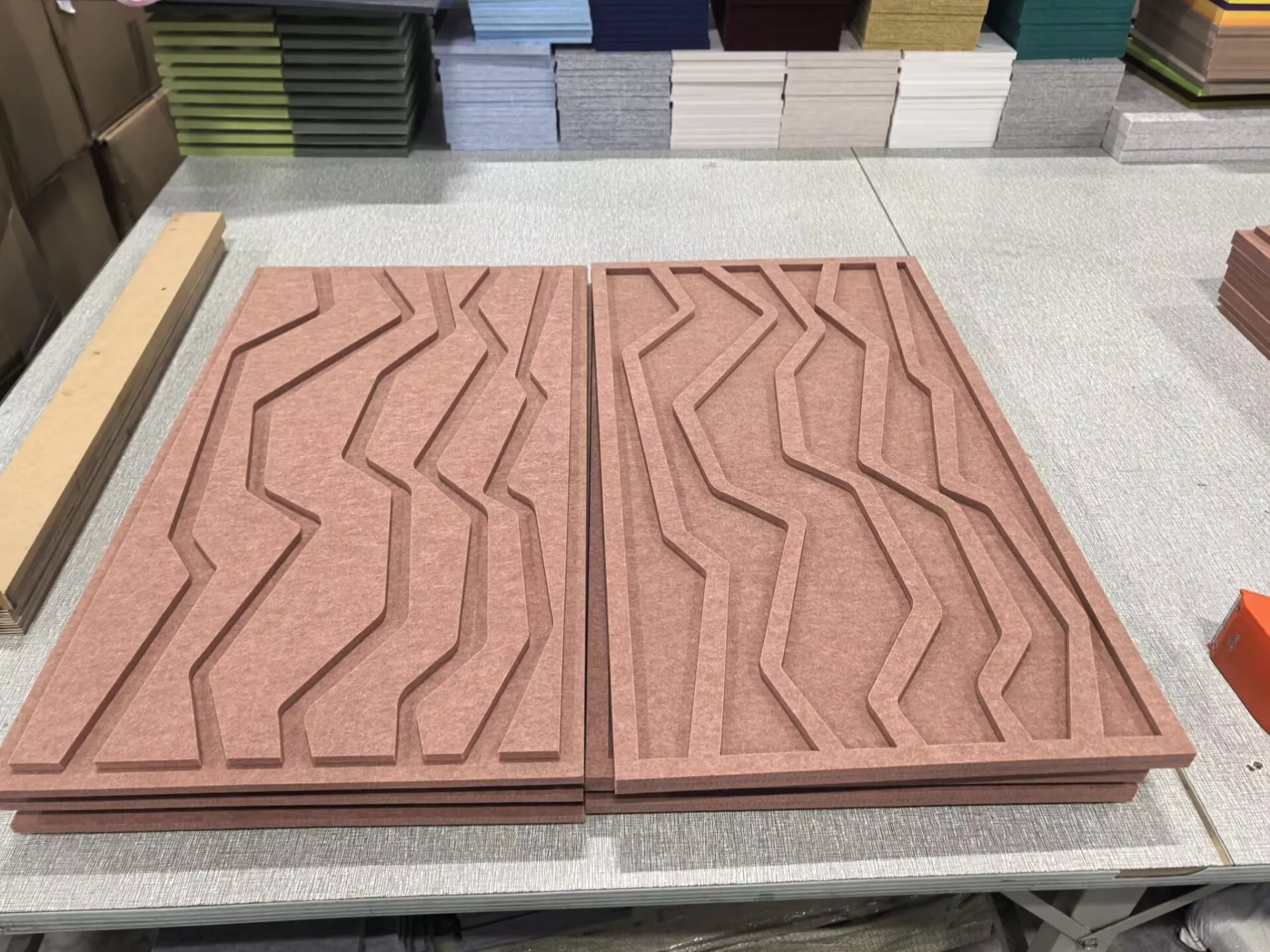
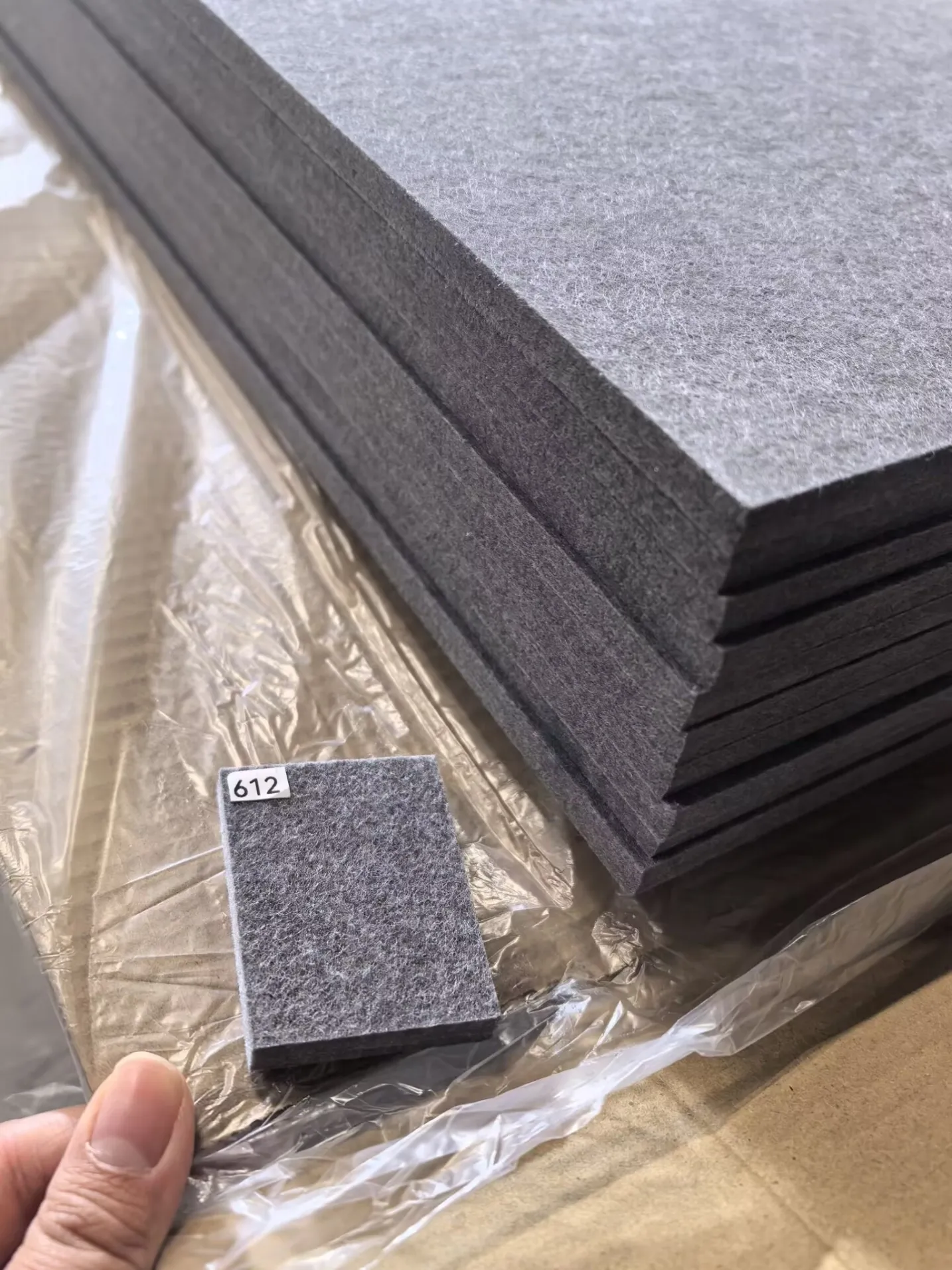
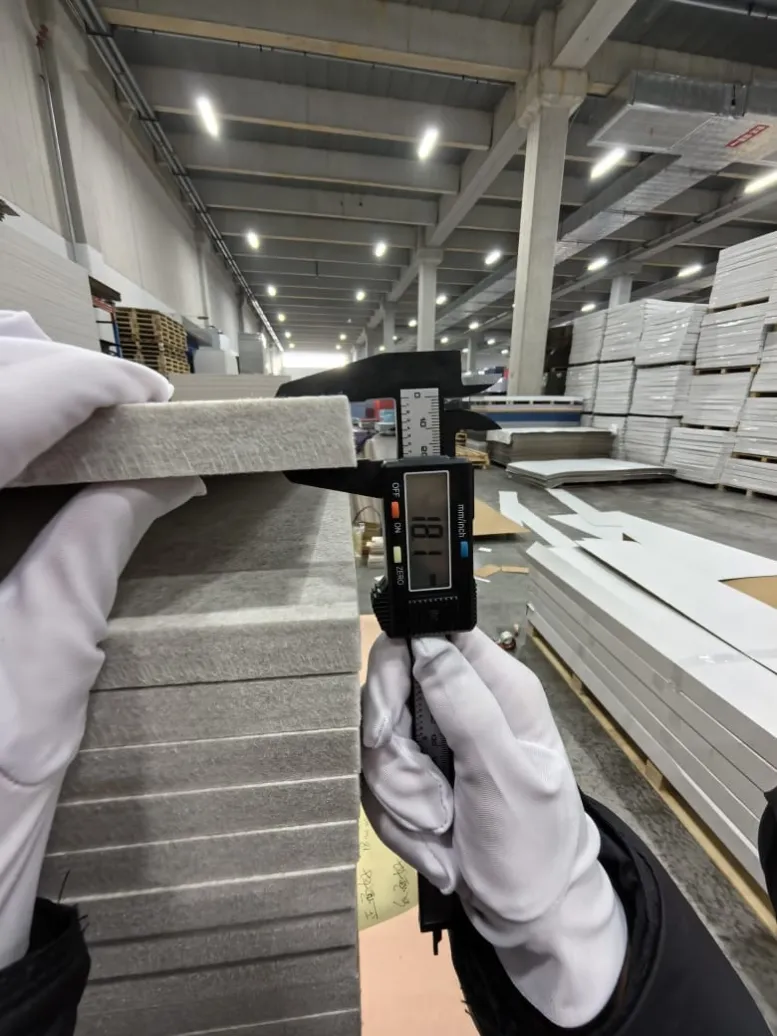
They may also look at thickness, GSM, colour, sheet size, packaging and production consistency.
For example, if a customer has already developed products around a certain PET felt specification, a small change in thickness or density may create problems during CNC processing or assembly.
A lower price does not help much if the material cannot be repeated consistently.
The same applies to lead time.
Saving a small amount on the material is less important if a delayed shipment causes the buyer to miss their own production or delivery schedule.
This is why experienced buyers often look beyond the unit price.
They are also looking at the uncertainty behind the price.
What Buyers Really Want From a New Supplier
A new supplier does not always need to promise everything.
In many cases, buyers simply want clear answers.
What specifications can you supply regularly?
Which sizes and densities are standard?
What is your MOQ for custom production?
How long does production normally take?
How do you control quality?
What happens if there is a problem?
Can you support them when they need something different later?
These questions are quite simple.
But clear and realistic answers can tell a buyer a lot about how the supplier works.
A second supplier becomes useful when the buyer knows what they can expect from that supplier.
A New Supplier Does Not Always Need to Win the First Order
This is perhaps the most important point.
When a buyer is looking for another supplier, the goal is not always to replace the current supplier immediately.
Sometimes the first step is much smaller:
A sample.
A trial order.
A new colour.
A different thickness.
A small production run.
Or simply keeping another reliable source available.
If the first cooperation goes well, the relationship can naturally grow from there.
For buyers, having another supplier means more flexibility.
For suppliers, it means an opportunity to prove that they can provide consistent material, communicate clearly and solve problems when they happen.
In the end, B2B supply is not only about finding someone who can make the product.
It is about finding a source that the buyer can continue to rely on when business becomes more complicated.
If you are currently buying PET felt from one supplier and considering a second source, we can discuss your current specification, sizes, colours, MOQ and regular order requirements.
You can send us the specification you are using now, and we can check what we can support.
Sometimes, you do not need to change your main supplier. You simply need to know that another reliable option is available.
More related pages:
📩 Send us your project drawings or specifications, and we will respond with a clear quotation and production suggestion within 24 hours.
Email: info@hengmy.com