Sep 18, 2026Services Overview
The Hidden Cost of an Unreliable Supplier
An unreliable supplier can cost more than the difference in unit price. Learn how quality issues, delays, poor communication and uncertainty affect B2B purchasing.
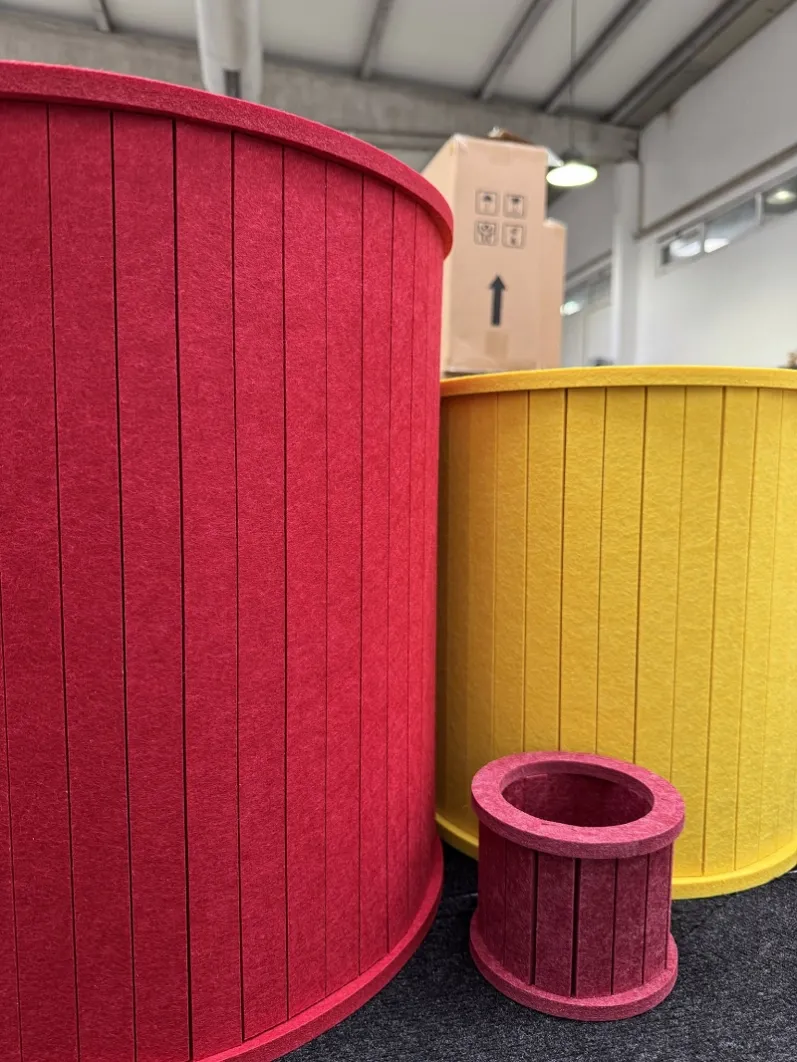
The Hidden Cost of an Unreliable Supplier
When buyers compare suppliers, price is usually one of the first things they look at.
That makes sense.
If two suppliers offer a similar product, the difference in price is easy to see.
But there is another cost that is much harder to put on a quotation.
The cost of uncertainty.
A supplier may offer a competitive price, but if the production progress is difficult to know, quality changes from order to order, or communication becomes slow when there is a problem, the real cost can be much higher than the unit price suggests.
The Price on the Quotation Is Only One Part
Let’s take PET felt as a simple example.
A buyer may compare two quotations and see a difference of a few cents or even a few dollars per sheet.
At first, the lower price looks attractive.
But the buyer also needs to think about what happens after placing the order.
Will the colours be consistent with the approved sample?
Will the sheets arrive in good condition?
Will the production be completed within the agreed lead time?
And if something is not right, how quickly will the supplier respond?
These questions may not change the price on the quotation, but they can change the actual cost of buying.

A Delivery Date Is Not Just a Date
I was reminded of this recently while following one of our orders.
This week, I went to the production floor for an in-process inspection and also checked the progress of the order with the production team. There were several materials and steps that needed to be coordinated before the final shipment.
The customer needed the order ready by September 23. I had expected we might finish a few days earlier, but some steps are still in progress.
During the discussion, I learned that another order was scheduled for September 28 and had not started yet.
It made me think about something very basic in B2B supply.
A delivery date only works when someone is actually following the order behind that date.
When I receive an order, I normally go through the details with the relevant production and QC teams instead of assuming everyone already knows what is required.
Specification, colour, size, quantity, packaging and other special requirements need to be clear before production starts.
Then I follow the progress every few days and keep the timing of each stage recorded.
For regular orders, this may look like a small administrative task.
For the buyer, it can make a big difference.
They do not have to keep asking:
“How is the order going?”
They can see where the order is and whether the planned schedule is still realistic.
This is why I keep following the production progress of my orders, especially during busy periods. So far, even in peak seasons, we have been able to keep the agreed shipping schedule for my orders.

Delays Can Affect More Than One Order
For an importer or manufacturer, a delayed shipment does not always mean simply waiting a few more days.
The material may already be connected to another part of the business.
A customer may be waiting for the finished product.
A production schedule may already be arranged.
A container may need to be coordinated with other goods.
Stock may have been planned based on the original delivery date.
This is why lead time should not only be considered as a number of days.
A supplier saying “7 days” is one thing.
A supplier that actively follows the production schedule and tells the buyer when something changes is another.
For buyers, predictability has value.
Quality Problems Create Extra Work
Quality problems also have costs that are easy to overlook.
If a batch does not match the agreed specification, someone needs to identify the problem.
Photos may need to be taken.
Measurements may need to be checked.
The supplier needs to be contacted.
The affected quantity needs to be confirmed.
Then both sides need to discuss what should happen next.
For an importer, this takes time.
For a manufacturer, it may also interrupt production.
And if the material has already been processed, such as cut by CNC or assembled into a finished product, dealing with the problem can become more complicated.
This is why consistency matters.
A buyer does not only want a good sample.
They need the following orders to be reasonably consistent with what was approved.

Communication Matters Most When Something Goes Wrong
Most suppliers can communicate well when everything is going smoothly.
The real test often comes when there is a problem.
A supplier cannot realistically promise that nothing will ever go wrong. Production and international shipping both have variables.
What matters is how the situation is handled.
Does the supplier communicate early?
Does the supplier explain what happened clearly?
Can they confirm the affected quantity and possible impact?
Do they suggest a practical solution?
And do they continue following the issue until it is closed?
From a buyer's point of view, this can be more important than hearing another promise about “best service.”
The buyer needs to know:
If something changes, will I know about it?
The Cost of Uncertainty Is Difficult to Calculate
This is why comparing suppliers only by unit price can be misleading.
A lower-priced supplier may still be the right choice if the specification, quality and delivery are consistent.
A higher-priced supplier may not be the right choice if the buyer still has to spend a lot of time managing problems.
The point is not that a higher price means better quality.
The point is that unit price and total purchasing cost are not always the same thing.
The hidden costs can include:
- Extra inspection
- Rework or replacement
- Production delays
- Additional communication
- Emergency shipping
- Extra inventory
- Missed delivery schedules
- Time spent solving problems
Not every problem will happen on every order.
But buyers know that supply risk exists, especially when they depend on imported materials for regular production or stock.
What Should Buyers Ask a New Supplier?
Before placing a larger order, it can be useful to ask a few simple questions.
What specification is regularly produced?
Which sizes and densities are standard?
What is the normal lead time?
How is quality checked before shipment?
What is the MOQ for custom specifications?
How are samples matched with later production?
And perhaps most importantly:
How will you keep me informed if something changes?
The answers do not need to be complicated.
Clear and realistic answers are often more useful than a long list of company advantages.
Reliability Is About Making Business More Predictable
A reliable supplier is not a supplier that never has a problem.
That is not realistic.
A more useful definition is a supplier that makes the purchasing process more predictable.
The specification is clear.
The production schedule is followed.
Quality is checked during production, not only at the end.
Packaging is considered.
Progress is communicated.
And when something unexpected happens, the buyer knows who to contact and what happens next.
For B2B buyers, this can have real value.
Because the most expensive part of a supply problem is sometimes not the material itself.
It is everything that happens around the material.
If you are reviewing your current PET felt supply or looking for an additional source, send us your current specification, size, colour and expected quantity.
We can check the available standard options or discuss custom requirements with you.
The goal is not simply to offer another price. It is to give you a clearer picture of what we can supply, how we will manage the order, and what you can expect before production starts.
More related pages:
📩 Send us your project drawings or specifications, and we will respond with a clear quotation and production suggestion within 24 hours.
Email: info@hengmy.com