
Oct 2, 2026Services Overview
Why PET Felt Needs a CNC Test Before Production
A PET felt sample may look perfect by hand. But CNC cutting can show problems that are not visible before processing. Here is what to test before placing a bulk order.
A PET felt sample may look perfect by hand. But CNC cutting can show problems that are not visible before processing. Here is what to test before placing a bulk order.

When choosing thicker PET felt, gsm alone is not enough. Learn how thickness, density, fiber bonding and processing affect material stability, CNC cutting and production consistency.

Why can the same CNC machine and settings produce different results with another PET felt batch? Learn what density, hardness, thickness and structure can change.

A PET felt quotation is only the beginning. Learn what buyers should clarify about specifications, MOQ, documentation, lead time, packing and shipping.

A buyer who does not reply may not be uninterested. In B2B sales, timing, priorities and communication habits can all affect how buyers respond.

Buyers may say price is the problem, but their real concern may be MOQ, stock, quality, delivery or after-sales support. How should suppliers listen?

Changing a PET felt supplier is not only about price. Buyers also need to consider material consistency, testing, production capability and supply risk.
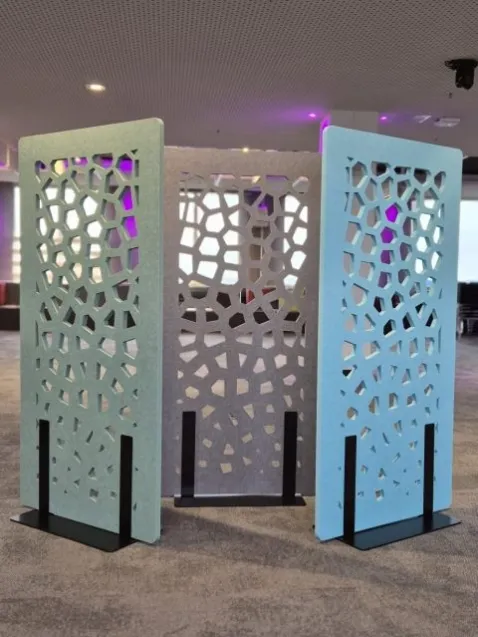
A PET felt buyer may see a big price difference between suppliers. Before choosing the lower price, check thickness, GSM, sheet structure, custom size and processing requirements.

A real sourcing experience about why buyers sometimes prefer one trusted supplier to manage communication, details and new product sourcing.