Sep 16, 2026Services Overview
PET Felt and the Cutting Process
Choosing PET felt is sometimes connected to how the material will be cut. Understanding the cutting process can help suppliers and buyers discuss the material more practically.

PET Felt and the Cutting Process
When we sell PET felt sheets, most of the conversation is usually about the material itself.
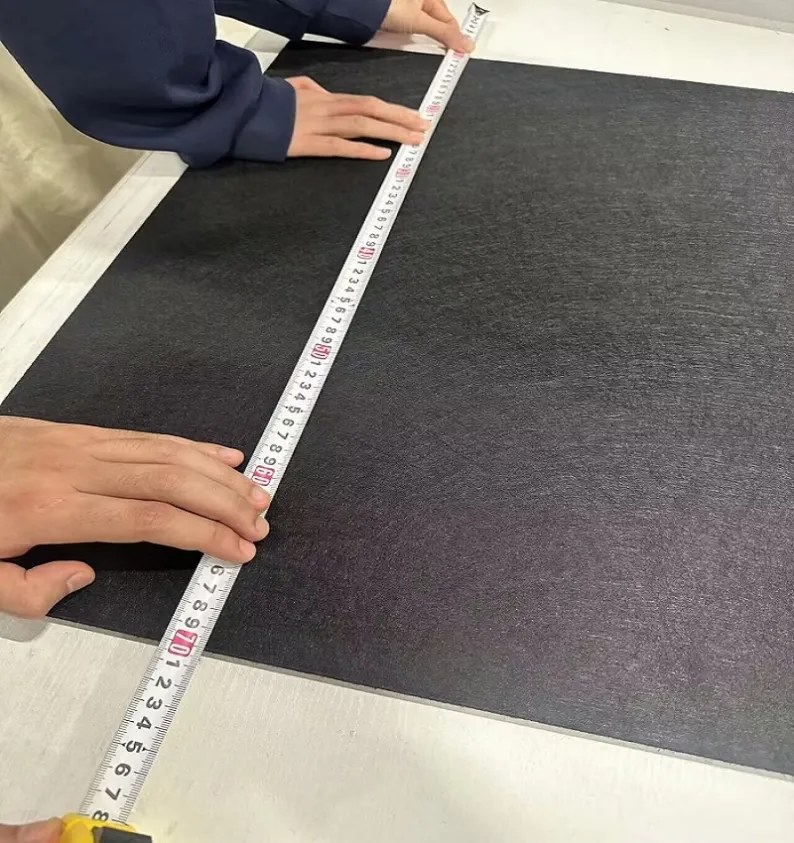
- Thickness.
- Size.
- Color.
- GSM.
- Quantity.
These are the specifications we see every day.
But sometimes, there is another question that is just as important:
What will the customer do with the sheet after buying it?
I had a good reminder of this in one project.
The customer was looking at PET felt, but at the same time, they were also considering cutting equipment.
This changed the conversation.
We were no longer only talking about the sheet.
We also needed to understand the process around the sheet.
The same material can have a different job
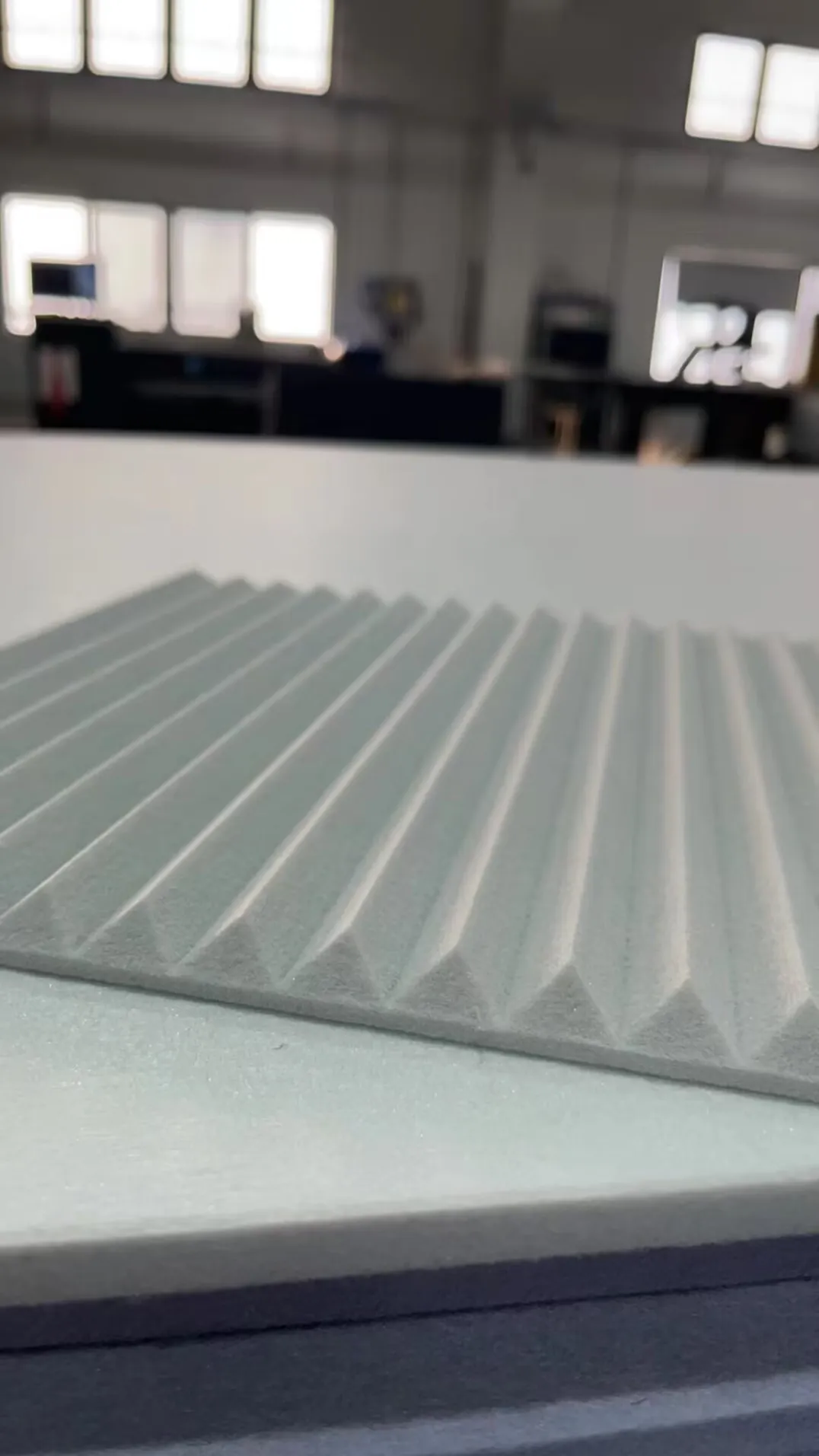
A PET felt sheet can be used as a finished panel.
But it can also be cut into different shapes or become part of another product.
In these situations, the customer is not only buying a material.
They are also working with a production process.
For a supplier, this difference matters.
If we only know the product specification, we may answer the quotation correctly.
But we may not understand the customer's real question.
Sometimes the customer is thinking:
“Can I process this material in the way I need?”
That is a different question from:
“What is your price per sheet?”
We experienced this in a real project
In the project I mentioned, the customer was considering different cutting equipment.
We discussed their cutting requirements and the possible use of PET felt with different equipment.
At one point, we also offered to provide PET felt to the cutting machine supplier for testing.
I think this was the practical part of the discussion.
Instead of trying to answer everything only through emails, the material could be tested in the actual process.
This is something I value in B2B material supply.
Sometimes the best way to understand a material problem is to look at the process where the material will actually be used.
A supplier does not need to be a machine manufacturer
There is also an important limit here.
We are a PET felt supplier.
We are not a cutting machine manufacturer.
So I would not say that a material supplier should give detailed technical conclusions about every cutting machine.
That would go beyond what we actually know.
But we can understand the basic situation.
We can ask what the customer wants to cut.
We can understand whether the material will be processed further.
We can communicate with the equipment supplier when necessary.
And we can provide the actual PET felt for testing.
That is already useful.
Sometimes the supplier's role is not to have every answer.
It is to help the customer get the right answer.
Why does this matter to the buyer?
Imagine an importer buying PET felt for a customer who plans to process the sheets locally.
The importer may be satisfied with the color, thickness and price.
But if the material later needs to go through a particular cutting process, the practical performance of the material becomes part of the purchasing decision.
If this question is discovered only after a larger quantity has been purchased, it can create unnecessary work.
The buyer may need to test again.
The production team may need to adjust.
The customer may need to change the processing arrangement.
None of these problems are necessarily caused by a poor PET felt product.
Sometimes the issue is simply that the material and the process were never discussed together.
That is why I think a few questions before production can be useful.

“How are you going to process it?”
It is a simple question.
But sometimes it opens a much better conversation.
If the customer says:
“We will use it as a finished acoustic panel.”
The discussion may be quite straightforward.
If they say:
“We will cut the sheets into many different shapes.”
What equipment are they considering?
What kind of finished parts are they making?
Will they test the material first?
Is the cutting machine supplier involved?
These questions do not mean that the supplier should decide for the customer.
They simply help us understand what the material needs to do.
Testing is sometimes more useful than guessing
This is probably the most practical lesson for me.
When a customer is considering a new processing method, there may be questions that cannot be answered with a catalogue.
The actual material needs to be tested.
In the project I mentioned, we were willing to provide PET felt for testing with the cutting equipment.
I think this is a reasonable way to handle uncertainty.
Not every project needs testing.
Not every customer needs to test every specification.
But when there is a real question about how a material will work in a particular process, testing can give both sides useful information before moving further.
That is better than making a confident statement without enough information.
The supplier should listen before giving advice
I have also learned that sometimes we are too quick to talk about our own products.
We know the material well, so it is natural to explain its features.
But the customer may be thinking about something completely different.
They may be thinking about their machine.
Their production time.
Their finished product.
Or what their own customer will expect.
So before talking too much about the material, it can be useful to understand the customer's process first.
The more we understand what happens on the customer's side, the more relevant our answers can become.

Material supply is connected to the customer's business
For me, this is a small but important difference between simply supplying material and supporting a customer.
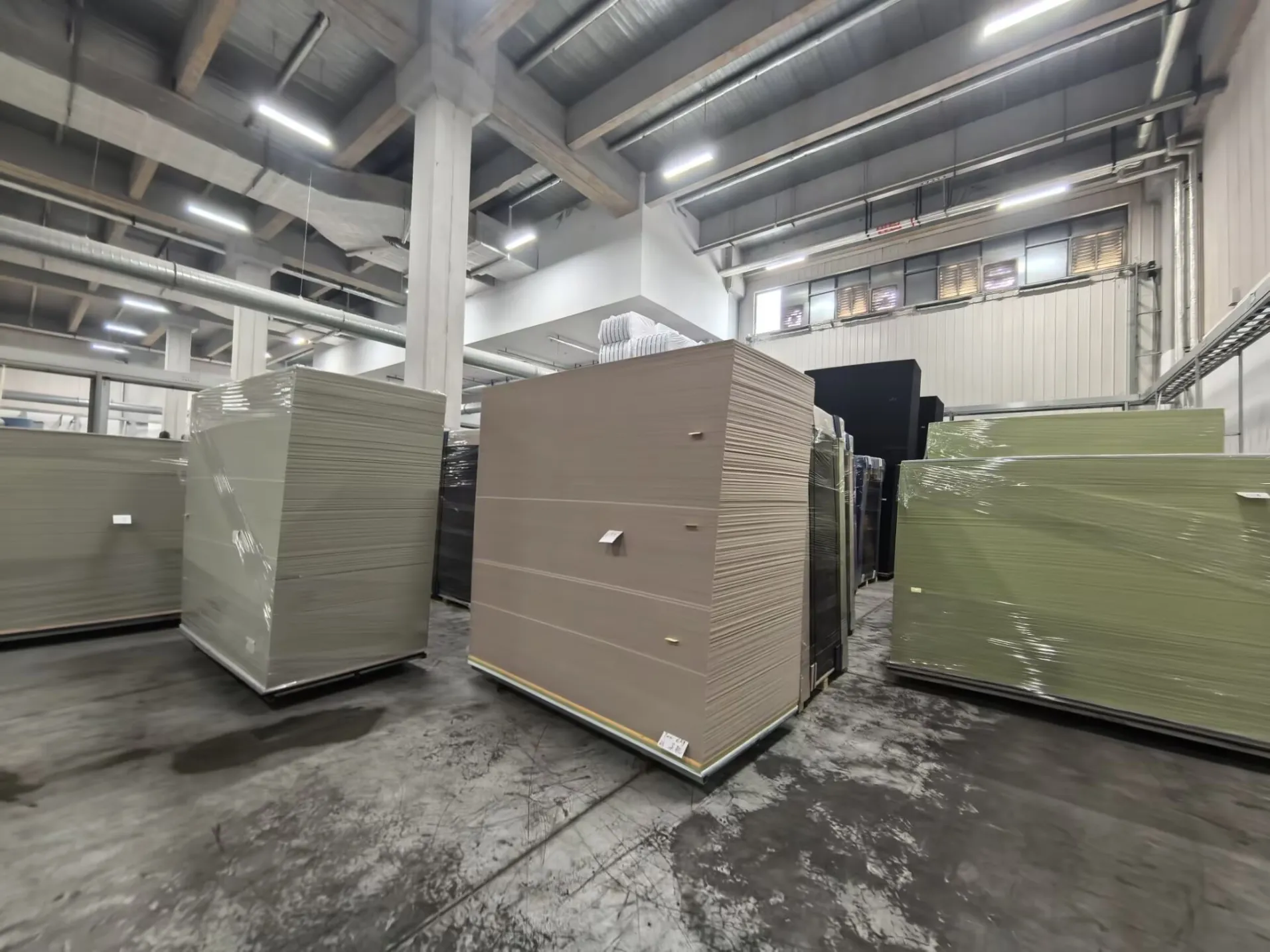
A sheet of PET felt leaves our factory.
But for the customer, it may then become a component, a finished product, or part of a larger production process.
We may not control what happens after delivery.
But we can understand it.
We can ask about it.
And when there is something that needs to be checked, we can help the customer get the material and information needed for that check.
That is sometimes more useful than simply sending another product specification.
A good material supplier does not need to know every machine or every production process.
But we should be willing to understand how our material fits into the customer's process.
Because the right material is not only the material that looks good on a sample.
It is the material that works for the job the customer needs to do.
If you are sourcing PET felt for a cutting or processing application, you are welcome to tell me how you plan to use the material.
You do not need to have every answer ready.
If there is something that needs to be checked before production, we can start from the application and discuss what information or sample would be useful to confirm first.
More related pages:
📩 Send us your project drawings or specifications, and we will respond with a clear quotation and production suggestion within 24 hours.
Email: info@hengmy.com