Aug 25, 2026Services Overview
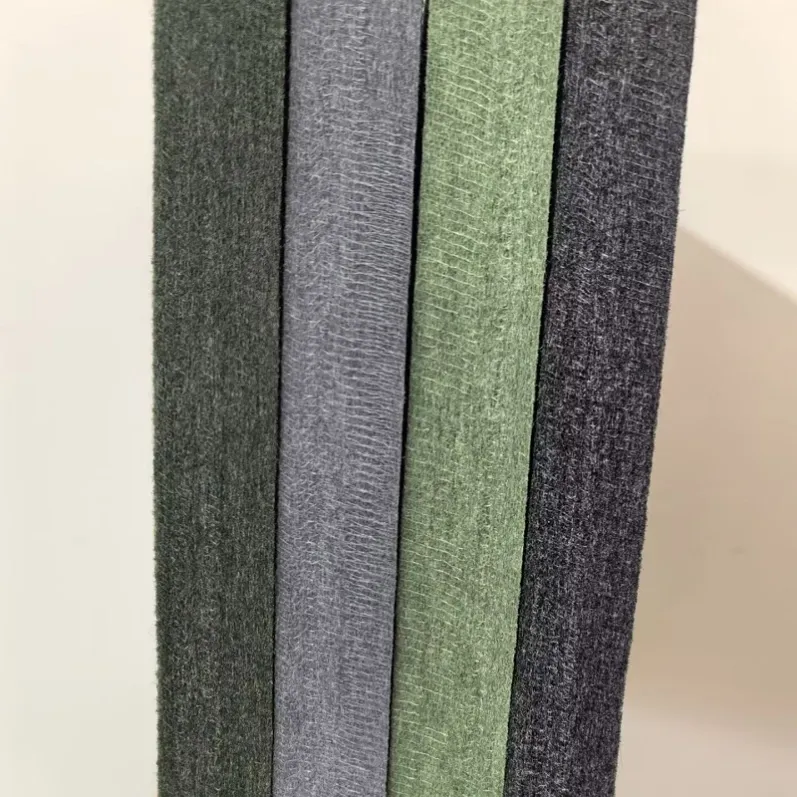
Why PET Felt Panel Structure Matters for CNC Processing
When PET felt panels are used as a raw material for CNC cutting, internal structure matters. Learn what to check before choosing PET felt for your production.
Why PET Felt Panel Structure Matters for CNC Processing
When you buy PET felt panels as a raw material, you may first look at the thickness, GSM, colour, panel size and price.
This is normal.
But if you are buying large PET felt sheets and then using a CNC machine to turn them into acoustic panels, desk screens, room dividers, furniture parts or other custom products, there is one more thing worth looking at:
the structure of the PET felt panel itself.
It may not be easy to see from the surface, but it can make a difference when you start cutting and processing the material.
A PET Felt Panel Is More Than Thickness and GSM
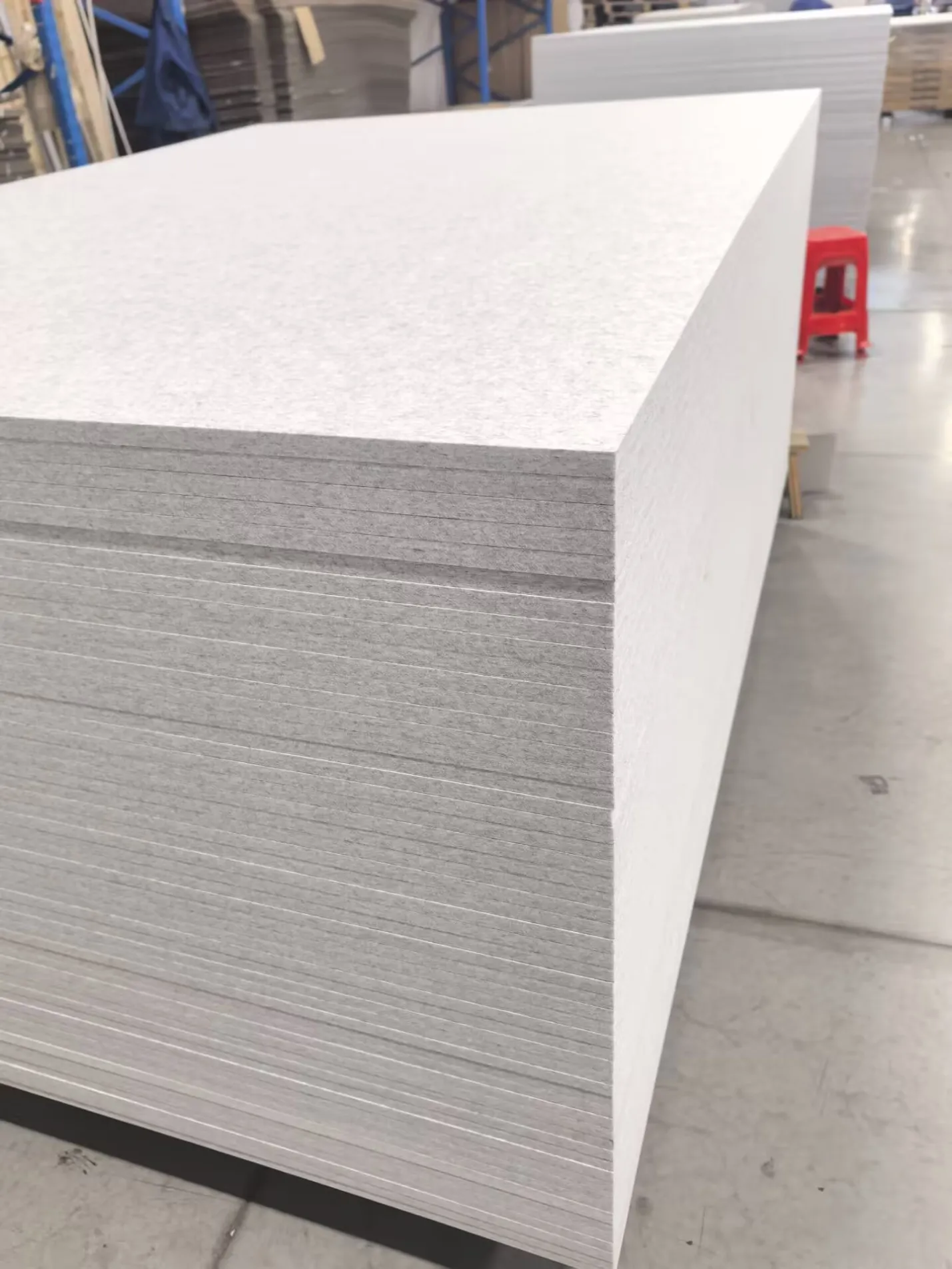
For example, a supplier may offer you a 12mm or 24mm PET felt panel.
You may think the most important thing is simply whether the panel is really 12mm or 24mm, and whether the GSM is correct.
Of course, these specifications are important.
But they do not tell the whole story.
When the panel is used as a raw material for CNC processing, you also need to consider how stable the material is through the full thickness.
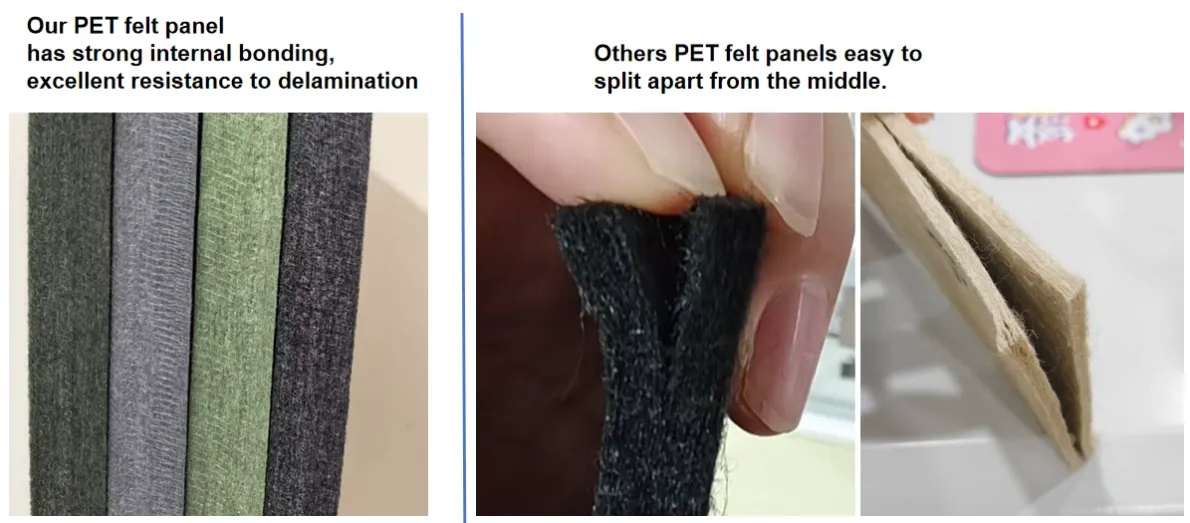
A good PET felt panel should have a stable and compact fibre structure. When you cut the panel, the material should remain stable rather than easily separating or becoming weak around the cut area.
This is especially important when you are not selling the PET felt sheet itself.
You are buying the large sheet and turning it into something else.
That means the material becomes part of your own production process.
Why Does Internal Structure Matter for CNC Cutting?
CNC cutting is not only about making a shape.
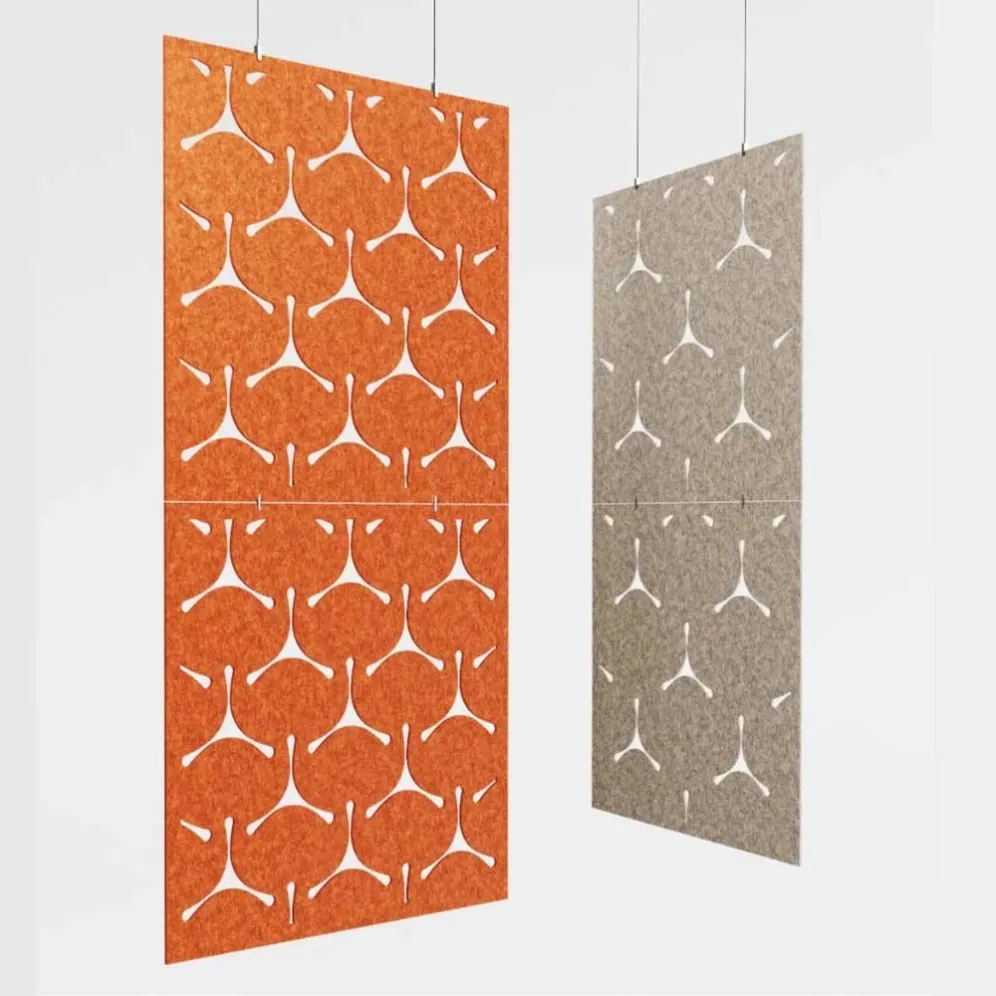
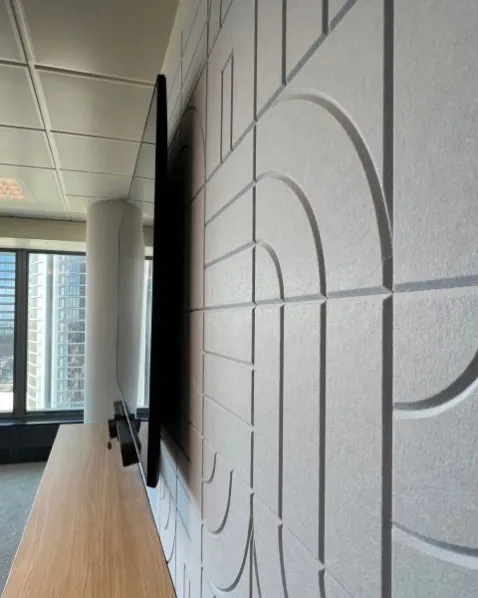
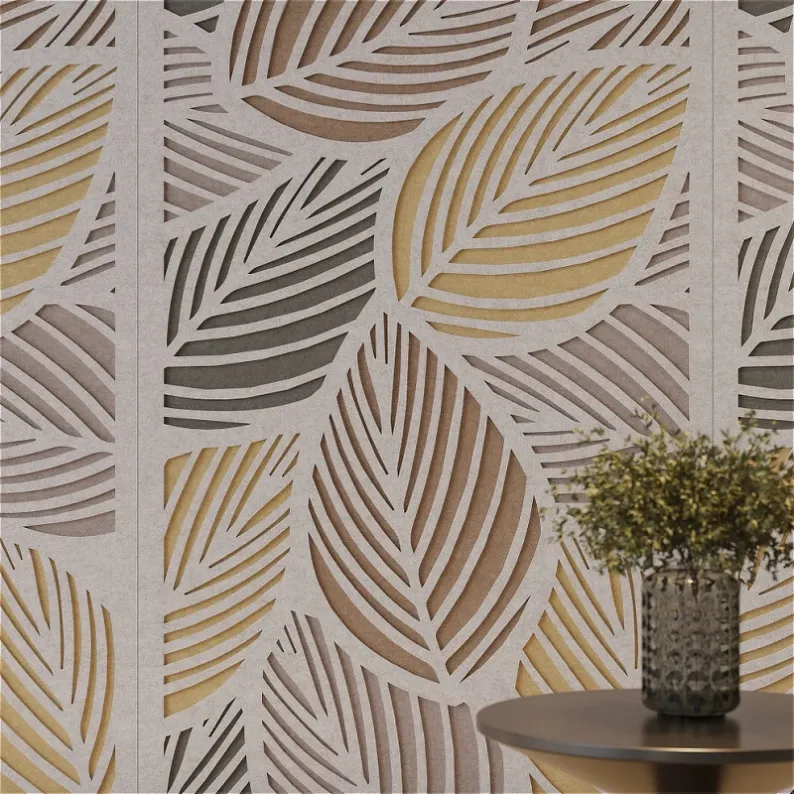
The machine may cut straight lines, curves, holes, slots and many small details. After cutting, the pieces may need to be moved, assembled, bent or installed.
For this type of production, the PET felt needs to be stable enough to handle these steps.
If the material structure is not suitable for the application, you may notice problems during cutting or handling. The cut section may not look as expected, or smaller parts may be more difficult to handle.
This does not mean that every CNC problem comes from the PET felt.
Blade condition, cutting speed, machine settings, vacuum suction, panel positioning and the design itself can all affect the final result.
But the material is still the starting point.
If the raw material is not suitable, it is difficult to solve everything by changing the CNC settings.
Single-Layer or Laminated?
This is something I recommend customers ask before ordering thick PET felt panels.
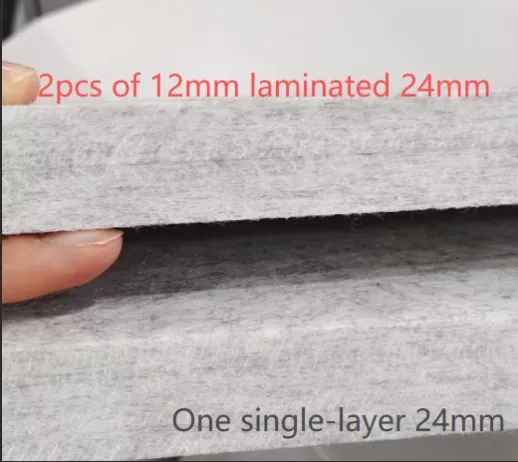
For example, a 24mm panel can be made by laminating two 12mm panels together.
It can also be produced as a single-layer 24mm PET felt panel.
The final thickness may be the same, but the internal structure is different.
For some applications, laminated construction can work well.
But if you are buying PET felt specifically as a raw material for CNC cutting, it is useful to know how the panel is made and how stable the material is through the full thickness.
For our production, our standard 24mm PET felt is a single-layer panel, with a density of around 4300 GSM.
We produce it this way for applications where customers need a thick and stable PET felt material for further processing.
What About GSM?
GSM is also important, but higher GSM does not automatically mean better for every application.
For PET felt, thickness and GSM need to be considered together.
For example, 2400 GSM is a common specification we use for many applications because it gives a good balance between hardness, thickness stability and material cost.
Our 2400 GSM PET felt can normally reach up to around 15mm thickness.
If a customer needs 24mm, we normally recommend a different construction and density rather than simply trying to make a very thick panel with the same GSM.
This is one reason why we prefer to discuss the customer's actual application before confirming the specification.
If you are going to CNC cut the material, tell your supplier what you are going to make.
A good material recommendation should start from the final application, not only from a number on the price list.
Test the Material Before Your Large Order
If you already have a CNC machine, the best way to check a new PET felt supplier is quite simple:
test the actual material.
You can cut a sample using a similar design or cutting method that you normally use.
Then look at the cut edge and the finished pieces.
Ask yourself:
- Is the material stable during cutting?
- Does the cut edge look clean enough for your application?
- Do small pieces keep their shape?
- Is the hardness suitable for your product?
- Does the material remain stable when the finished pieces are handled?
A sample cannot tell you everything about future production, but it can give you much more useful information than a product photo.
This is especially important when you are comparing suppliers with similar prices and similar specifications.
The Material You Buy Becomes Part of Your Production
This is probably the most important point.
If you buy PET felt panels only for resale, colour, surface quality, thickness, packaging and price may be your main concerns.
But if you buy PET felt as a raw material and process it yourself, the situation is different.
Your PET felt supplier is not only supplying a sheet.
They are supplying a material that will go into your CNC machine, your production line and eventually your finished product.
That is why material structure matters.
A stable PET felt panel can make the material easier to work with, while an unsuitable specification may create problems later that are much more expensive to solve.
The right question is therefore not only:
“What is your price for 24mm PET felt?”
A better question is:
“Is this 24mm PET felt suitable for the way we are going to process it?”
That is a much more useful conversation to have before placing a large order.
Choosing PET Felt for CNC Processing
There is no single PET felt specification that is suitable for every CNC project.
The right choice depends on the thickness, GSM, panel size, cutting design and final product.
If you are buying PET felt panels as a raw material for CNC cutting, we recommend discussing these details before production rather than choosing the material only by price.
If you have a CNC project, send us your required thickness, GSM, panel size and a simple description of what you are going to make.
If you have a drawing, even better.
We can check the material specification with you and recommend a suitable PET felt panel for your processing needs before you place a large order.
Sometimes, a few minutes discussing the material at the beginning can save much more time after the panels arrive.
More related pages:
📩 Send us your project drawings or specifications, and we will respond with a clear quotation and production suggestion within 24 hours.
Email: info@hengmy.com