Aug 12, 2026Services Overview
CNC Cutting PET Felt Panels: What Designers and Manufacturers Should Know
CNC cutting makes PET felt panels suitable for custom acoustic designs, but material density, thickness, blade selection and panel positioning all affect the final result.
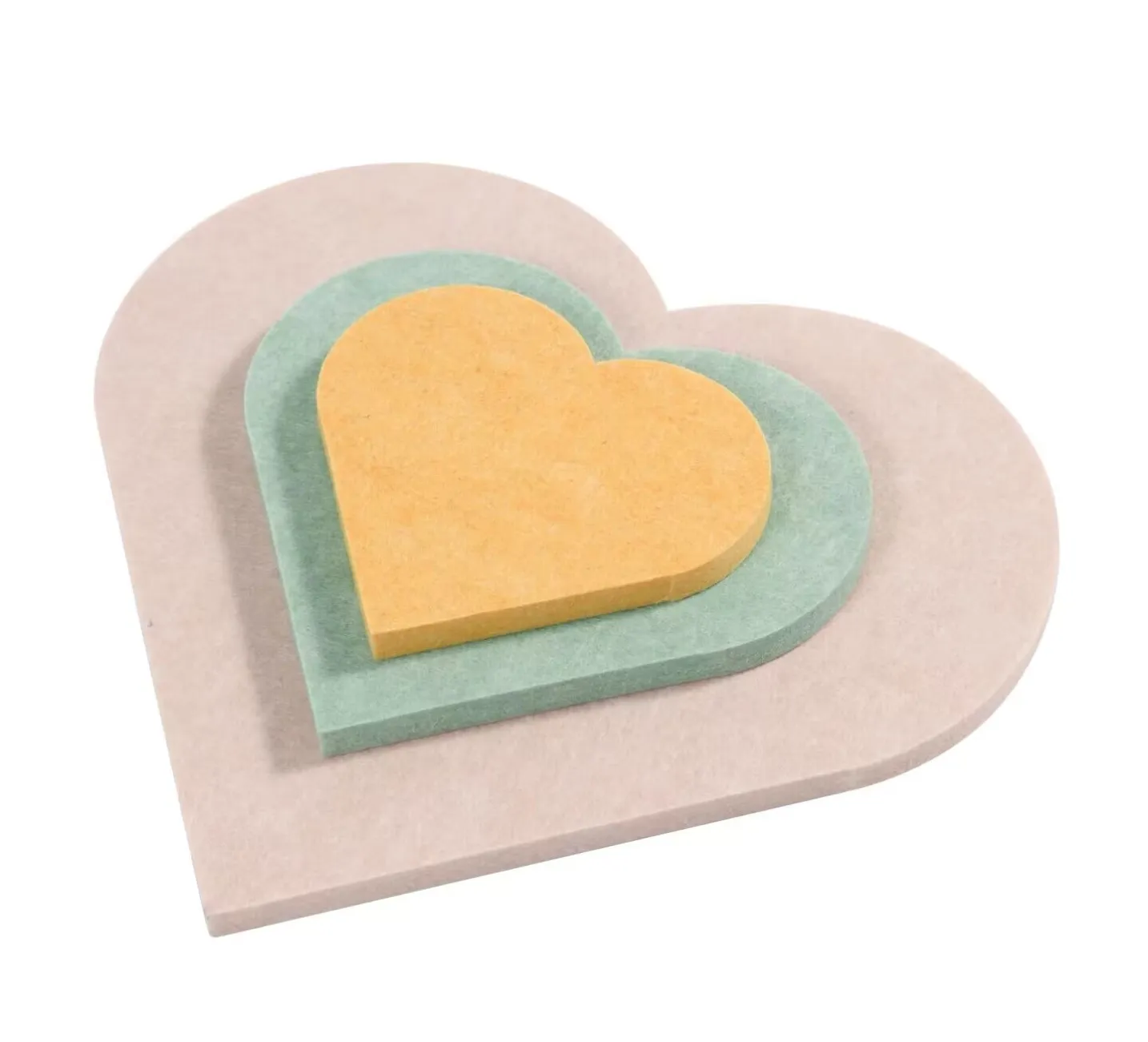
CNC Cutting PET Felt Panels: What Designers and Manufacturers Should Know
CNC Cutting PET Felt Is More Than Just Cutting a Shape
PET felt panels are widely used for acoustic wall panels, ceiling elements, office furniture, room dividers, and other interior applications.
One reason designers like PET felt is its flexibility.
It can be cut into different shapes, patterns, lines, holes, and decorative designs. For manufacturers, this also makes PET felt a practical material for customized products.
But there is one thing worth understanding before starting a CNC project:
PET felt is not the same as cutting wood, acrylic, or rigid plastic.
It is a soft and fibrous material, so the cutting result depends on more than just the CNC machine.
Material density, thickness, blade condition, cutting speed, panel positioning, and the design itself can all affect the final result.
This is especially important for furniture manufacturers and acoustic brands that need repeatable results in production.
1. Choose the PET Felt Material Before Designing the Cutting Pattern
CNC processing should not be considered separately from the material.
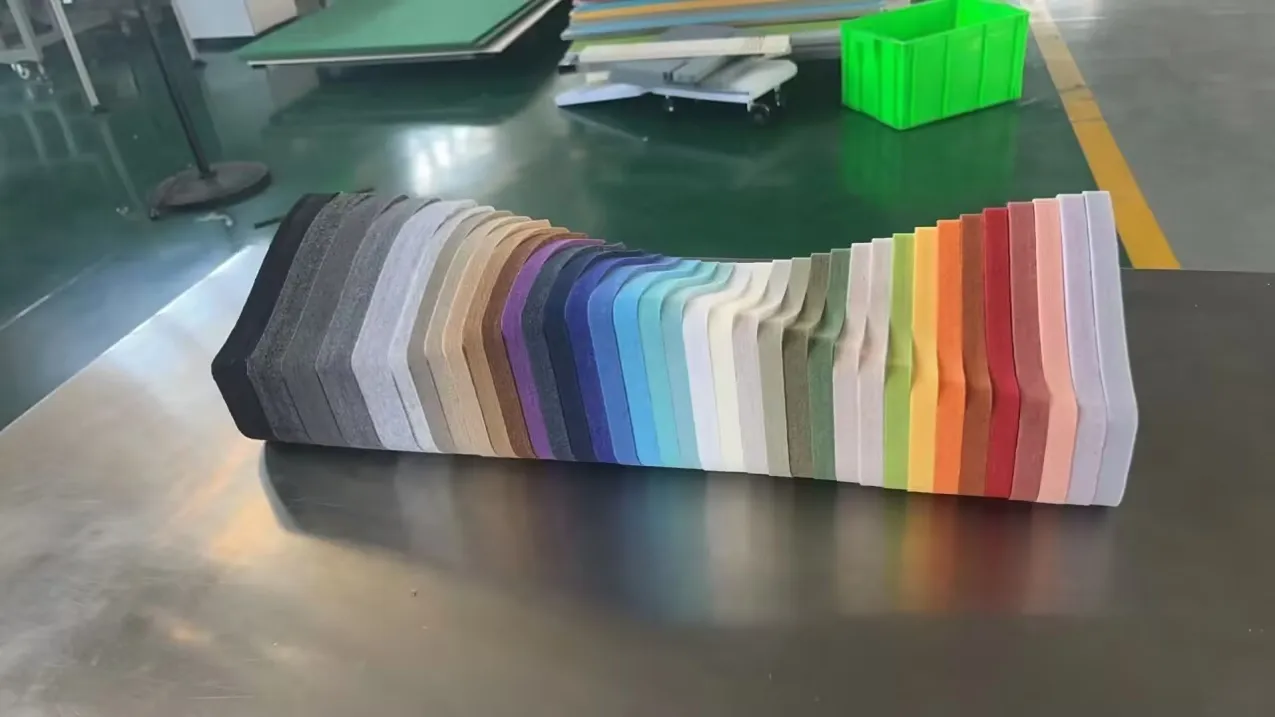
PET felt panels can be produced with different thicknesses and densities, and different specifications can behave differently during cutting.
For example, a panel that is relatively soft and flexible may behave differently from a harder, higher-density panel when the CNC blade moves through the material.
This can affect:
- edge quality
- cutting stability
- small details
- panel positioning
- production efficiency
For this reason, it is better to discuss the material specification with the supplier before finalizing a complicated cutting design.
A good supplier should be able to tell you whether the selected PET felt is suitable for the intended processing method.
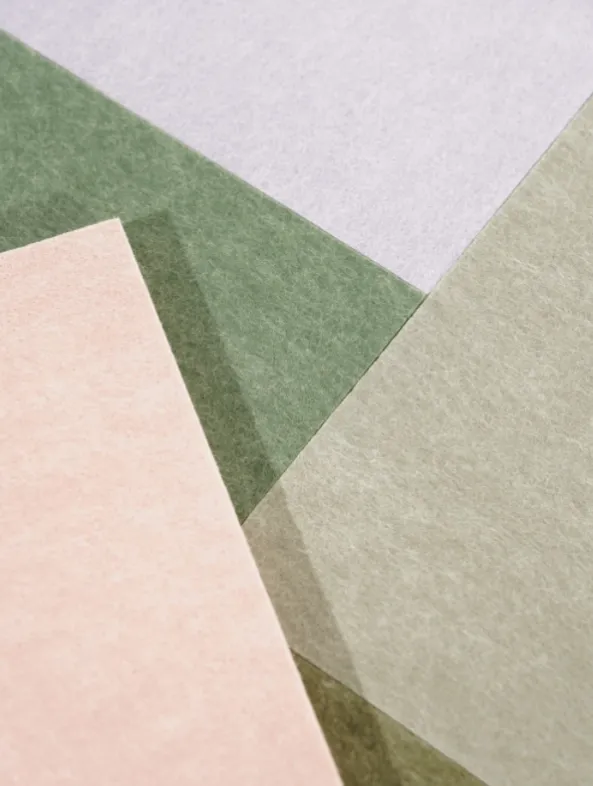
2. Thickness Matters for CNC Cutting
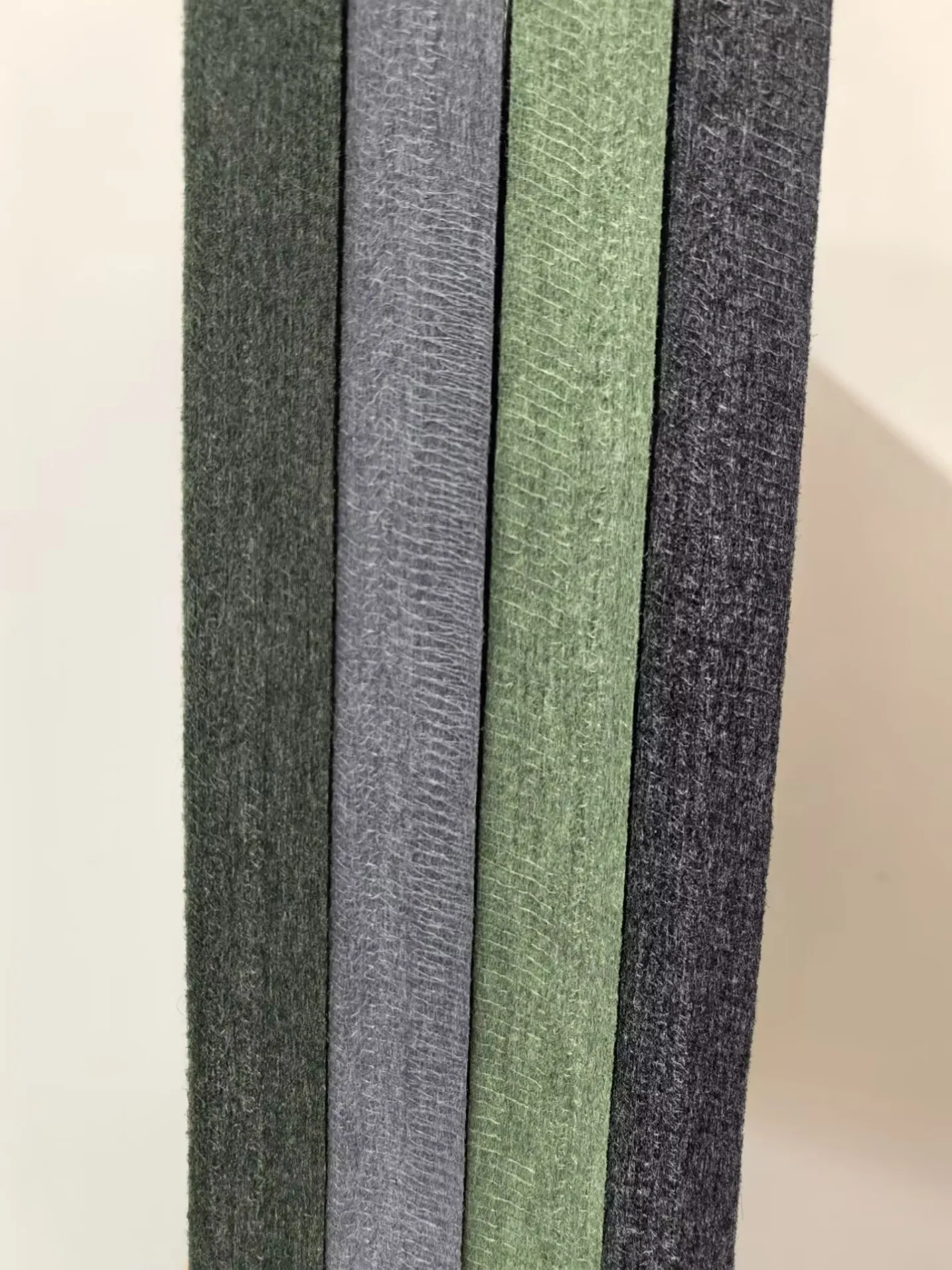
PET felt is available in different thicknesses for different applications.
A thin panel and a thick panel do not necessarily behave in the same way during CNC cutting.
When the thickness increases, the cutting process needs to be considered more carefully, especially for:
- narrow slots
- small internal shapes
- detailed patterns
- deep cuts
- through-holes
This does not mean thicker PET felt cannot be CNC cut.
It simply means that the cutting method and design should match the material.
For manufacturers, it is better to test the actual material before moving directly into mass production.
A small sample can often reveal problems that are difficult to see from a drawing alone.
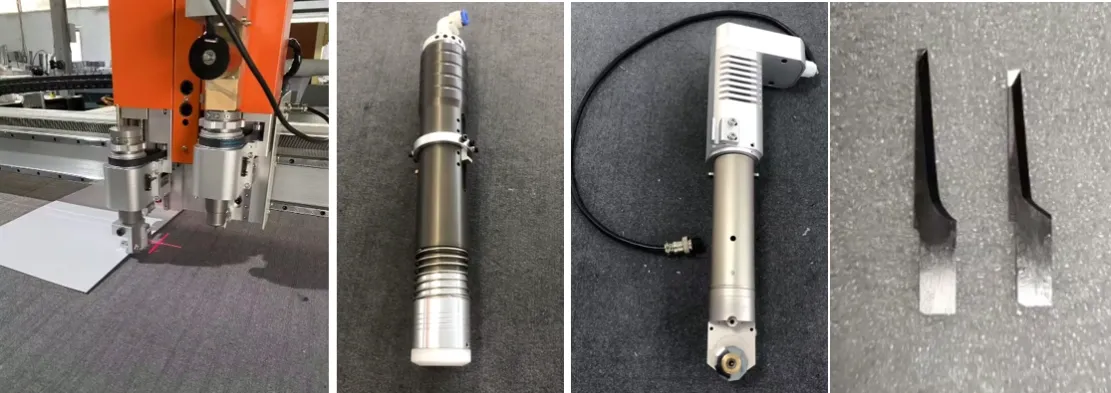
3. Blade Selection Can Affect Edge Quality
The cutting blade is another important part of the process.
PET felt contains many interlocked fibers. If the cutting condition is not suitable, the edge may not look as clean as expected.
Depending on the material and cutting design, problems may include:
- fiber flaking
- burrs
- uneven edges
- incomplete cutting
- material movement during processing
A suitable blade and cutting condition help produce a cleaner edge.
However, there is no single blade specification that is automatically suitable for every PET felt panel.
The correct choice depends on the material, thickness, density, cutting pattern, and machine setup.
This is one reason why experienced PET felt suppliers normally need to look at the actual drawing and material specification before confirming a custom CNC project.
4. Simple Shapes and Complex Patterns Have Different Requirements
A large rectangular opening is very different from a design containing hundreds of small details.
For example, these designs are relatively straightforward:
- straight lines
- large circles
- large rectangular openings
- simple geometric shapes
More detailed designs may require more attention:
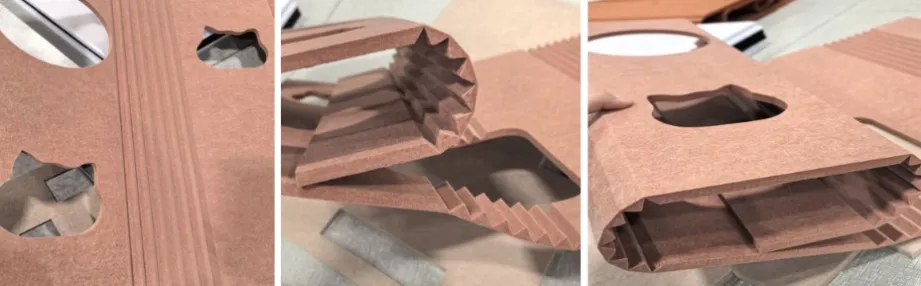
- narrow slots
- small holes
- repeated patterns
- close spacing between cuts
- complex decorative shapes
The smaller the details become, the more important material behavior and cutting conditions become.
For designers, this means one useful rule is:
Design for the material, not only for the appearance.
A pattern may look perfect on a computer screen but become difficult to process efficiently once it is transferred to the actual PET felt panel.
5. Panel Positioning Is Also Important
PET felt is flexible compared with many rigid sheet materials.
During CNC cutting, the panel needs to remain stable.
If the material moves during processing, even slightly, the final cutting position can be affected.
This is especially important when the design includes:
- repeated patterns
- long straight lines
- small holes
- precise connections
- multiple cuts close to each other
For CNC processing, the cutting machine is only one part of the process.
How the material is positioned and held during cutting also matters.
We have discussed this issue in more detail in our article about why vacuum suction can fail when CNC cutting PET felt panels.
For production projects, stable material positioning can help improve consistency from one panel to the next.
6. Edge Quality Should Be Considered Before Production
For many acoustic applications, the cut edge is not the most visible part of the product.
But for furniture and decorative products, the edge may be clearly visible.
For example, PET felt may be used for:
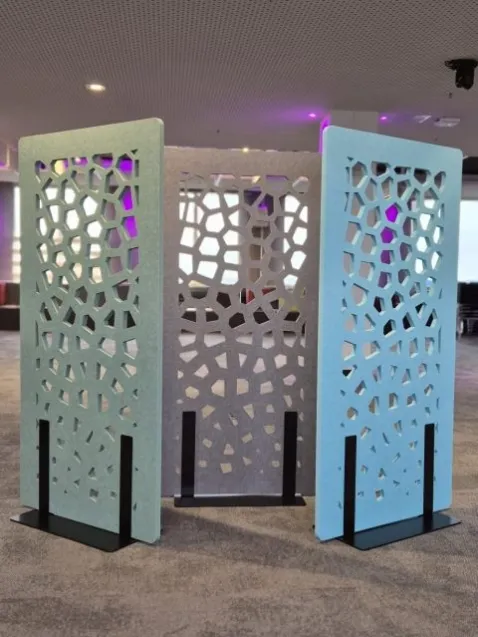
- desk screens
- cabinet components
- acoustic room dividers
- decorative wall elements
- custom furniture parts
In these applications, the edge becomes part of the final appearance.
This is why buyers should not only ask:
“Can you CNC cut this design?”
A better question is:
“What will the finished edge look like?”
It is useful to ask for a sample or test cut before confirming a large production order, especially when the cutting pattern is complex.
7. CNC Cutting Can Create More Design Possibilities
The main advantage of CNC cutting is not simply that it makes cutting faster.
It gives designers more freedom.
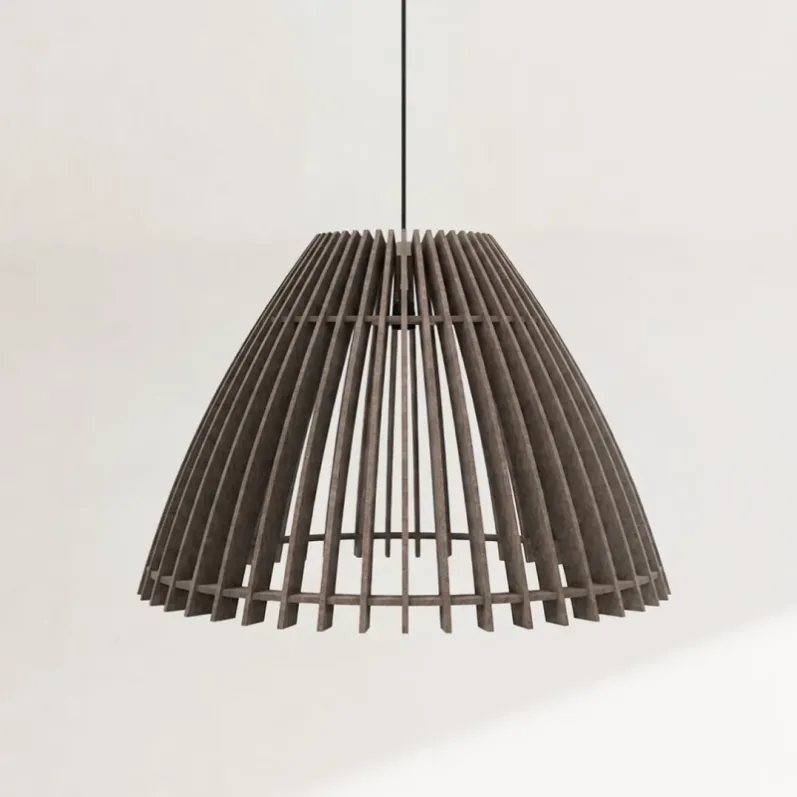
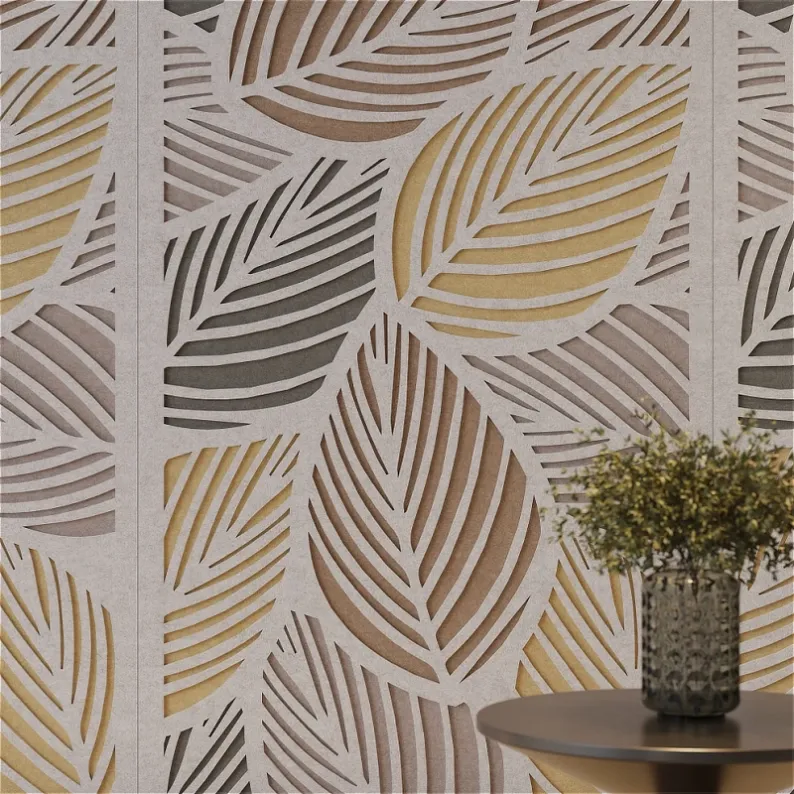
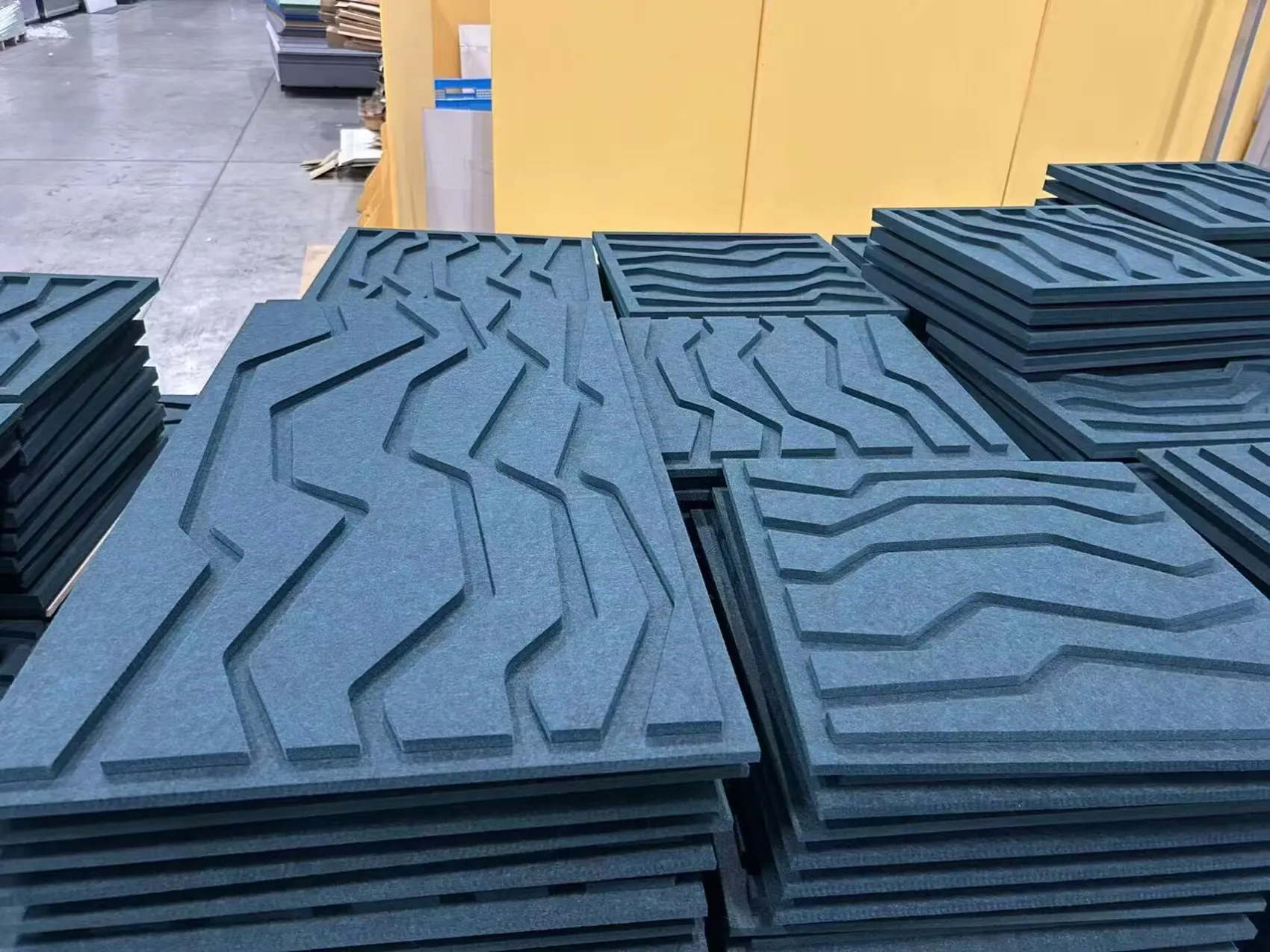
PET felt can be processed into different visual patterns, including:
- geometric designs
- acoustic patterns
- decorative screens
- repeated motifs
- custom shapes
- functional openings
This is particularly useful when acoustic treatment needs to become part of the interior design instead of looking like an additional technical product.
For acoustic brands, CNC cutting also makes it possible to develop customized product collections based on the same basic PET felt material.
For furniture manufacturers, it can provide another way to integrate acoustic functions into existing product designs.
8. But More Complicated Designs Do Not Always Mean Better Designs
It is easy to make a CNC pattern more complicated.
But complicated does not always mean better.
A design with too many small cuts may:
- take longer to process
- increase material waste
- require more careful positioning
- make production more difficult
- increase the final cost
This is particularly important for commercial production.
A design that looks attractive as a single prototype may not be the most practical design when hundreds or thousands of pieces need to be produced.
For this reason, designers and manufacturers should consider both:
design effect + production efficiency
from the beginning.
9. Material Waste Should Be Considered in the Design Stage
CNC cutting can create very different levels of material waste depending on the design.
For example, irregular shapes may leave more unused material around the edges than simple rectangular cuts.
Small repeated patterns can also generate more waste than larger, simpler shapes.
This matters for manufacturers because the actual material consumption may be higher than the finished installed area.
Before confirming a project, it is useful to discuss:
- panel size
- cutting layout
- quantity
- nesting possibilities
- finished dimensions
with the supplier.
Good planning at this stage can sometimes reduce unnecessary material consumption without changing the basic appearance of the design.
We have also discussed this issue in more detail in our article about how to reduce PET felt acoustic panel waste without changing the design.
10. Test Cutting Is Especially Important for Custom PET Felt Panels
For a standard rectangular PET felt panel, production is relatively straightforward.
For a new CNC design, however, a test cut is often worthwhile.
This is especially true when the project includes:
- unusual dimensions
- narrow slots
- small holes
- complex patterns
- special thickness
- multiple processing requirements
A test piece allows both sides to check:
- cutting accuracy
- edge appearance
- material behavior
- design details
- assembly or installation
It is much easier to adjust a design before mass production than after hundreds of panels have already been processed.
What Should Designers and Manufacturers Send to a PET Felt Supplier?
When asking a supplier about a custom CNC PET felt project, providing clear information can make the discussion much easier.
Ideally, you can provide:
1. Panel dimensions
For example:
- length
- width
- thickness
2. Material specification
Such as:
- PET felt
- density
- color
3. CNC drawing
A CAD drawing, PDF drawing, or other clear technical file can help the supplier understand the design.
4. Cutting requirements
Explain whether you need:
- through cuts
- partial-depth cuts
- holes
- slots
- decorative patterns
5. Estimated quantity
Quantity is important because a prototype and mass production may require different production considerations.
6. Final application
Tell the supplier where the panels will be used.
A PET felt component for office furniture may have different requirements from a decorative acoustic wall panel.
The more clearly the application is explained, the easier it is for the supplier to give useful feedback.
A Practical Approach to CNC PET Felt Projects
For designers and manufacturers, the process can be simple:
Step 1: Choose the suitable PET felt specification.
Step 2: Share the CNC drawing with the supplier.
Step 3: Discuss thickness, density, cutting details, and expected edge quality.
Step 4: Make a sample or test cut when necessary.
Step 5: Check the finished sample before mass production.
Step 6: Confirm the final drawing and production requirements.
This approach may take a little more time at the beginning, but it can help avoid unnecessary changes during mass production.
Final Thoughts
CNC cutting gives PET felt panels much more flexibility than standard flat panels.
But successful CNC processing is not only about having a CNC machine.
The material, thickness, density, blade, cutting design, positioning, and production requirements all need to work together.
For designers, the main question should not only be:
“Can this design be cut?”
It should also be:
“Can this design be produced consistently and economically?”
For furniture manufacturers and acoustic brands, this difference is important.
A good PET felt supplier should be able to discuss the material and processing requirements with you before production, especially when the project involves custom sizes or complicated CNC patterns.
If you have a CNC PET felt design that you are not sure about, you can send us the drawing and basic project information. We can review the requirements with you and discuss the suitable PET felt material and processing method before production.
Have a custom PET felt CNC project?
Contact us or send your drawing for a practical review and quotation.
More related pages:
📩 Send us your project drawings or specifications, and we will respond with a clear quotation and production suggestion within 24 hours.
Email: info@hengmy.com