Jun 26, 2026News & Insights
How Recycled PET Felt Acoustic Panels Absorb Sound (NRC, Air Gap & Thickness Explained)
Learn how recycled PET felt panels absorb sound, how thickness and air gap affect NRC, and why sustainable acoustic panels are growing in Europe.
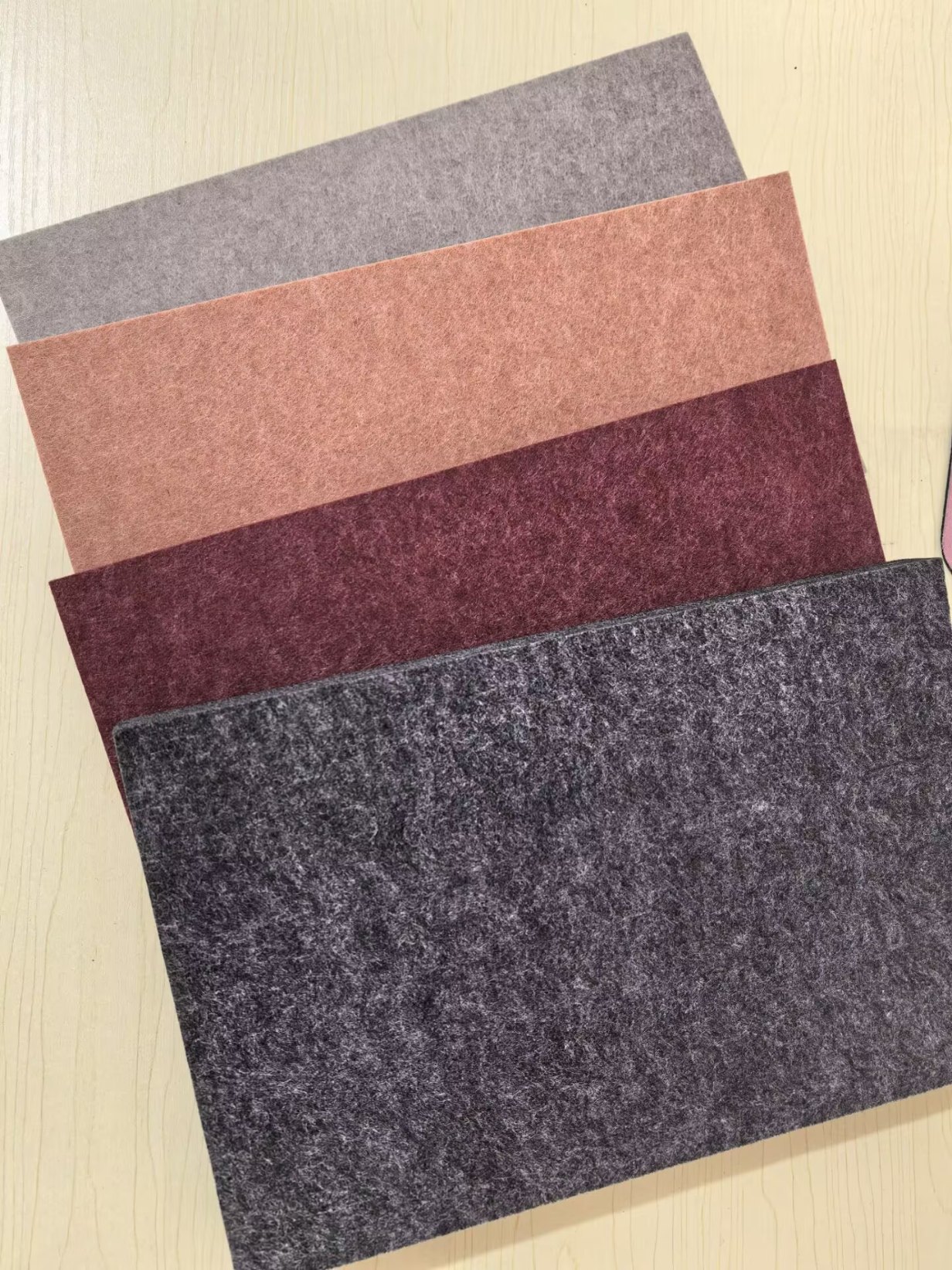
Recycled PET Felt Acoustic Panels: Why Sustainability and Sound Performance Must Go Together
In the past, many clients asked mainly about price.
Today in Europe, especially in France, Netherlands and Italy, the first question is often:
“Is it recycled?”
But in acoustic projects, sustainability alone is not enough.
Performance still matters.
That is why recycled PET felt panels are growing — because they combine environmental responsibility with real acoustic function.

How PET Felt Panels Absorb Sound
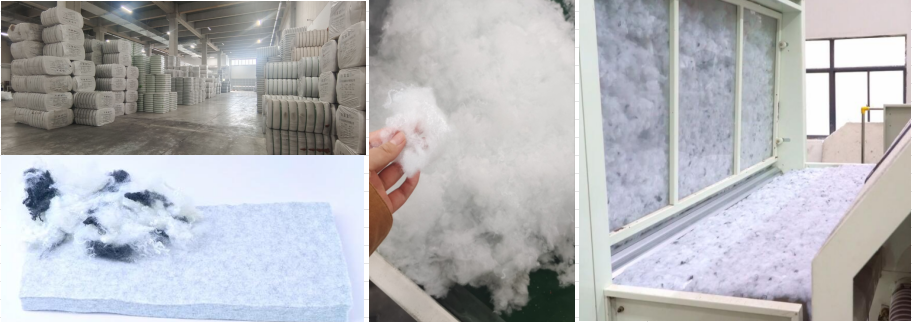
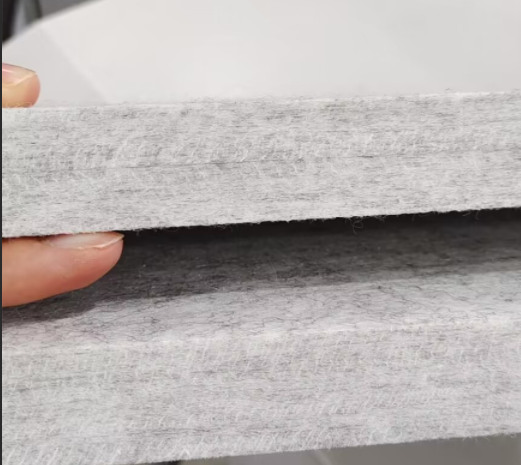
PET felt is a porous material.
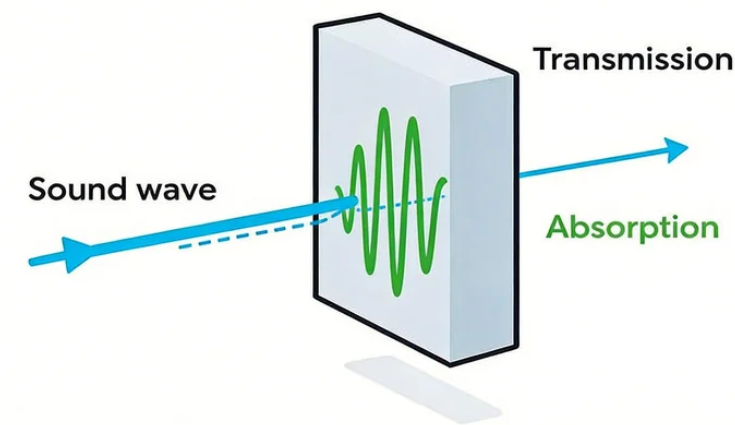
When sound waves enter the panel surface, they travel into the small interconnected fibers inside the material.
The sound energy creates friction between air particles and fibers.
This friction converts sound energy into a small amount of heat.
This is how porous materials absorb sound.
It is not reflection.
It is energy conversion.
This makes PET felt panels effective especially for:
- Mid-frequency noise (speech range)
- Office echo control
- Meeting room reverberation reduction
Thickness vs Density — What Really Matters?
Many people focus only on density.
But for acoustic absorption, thickness plays a very important role.
- Higher density improves stability and surface performance.
- Greater thickness improves low-frequency absorption.
For example:
- 9mm panels work well for basic wall echo control.
- 12mm panels provide stronger absorption.
- Thicker systems with air gap improve low-frequency performance.
Balance between density and thickness is key.
Too dense but too thin will limit absorption depth.
What Does NRC Mean?
NRC (Noise Reduction Coefficient) indicates the average sound absorption performance across several frequencies.
It ranges from 0 to 1.
- NRC 0.30 → absorbs 30% of sound
- NRC 0.70 → absorbs 70% of sound
- NRC 0.90 → absorbs 90% of sound
Typical PET felt panels achieve:
- NRC 0.45–0.55 when directly mounted
- NRC 0.75–0.90 when installed with air gap or backing structure
Installation method makes a big difference.
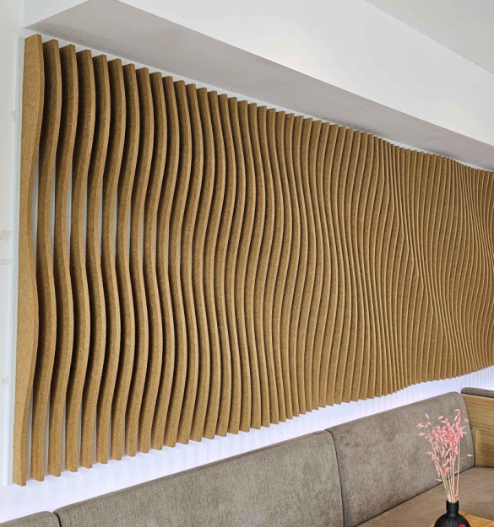
Direct Mount vs Air Gap Installation
Direct installation (panel attached directly to wall):
- Simple
- Cost-effective
- Good for mid-frequency control
Installation with air gap (20–50mm cavity behind panel):
- Improves low-frequency absorption
- Increases overall NRC
- Better for large open offices
In many European projects, designers now combine acoustic performance with sustainable materials.
This is why PET felt panels become a logical choice.
Why Recycled PET Matters in Europe
Today, sustainability is not optional.
Architects request:
- Recycled content
- EN 13501 fire classification
- VOC emission reports
- Safe indoor material certification
Recycled PET felt panels support:
- Circular economy
- Reduced landfill waste
- Long-term indoor safety
- Stable acoustic performance
Personally, I believe acoustic comfort and environmental responsibility should go together.
Buildings last for decades.
Materials inside should be safe, stable and recyclable.
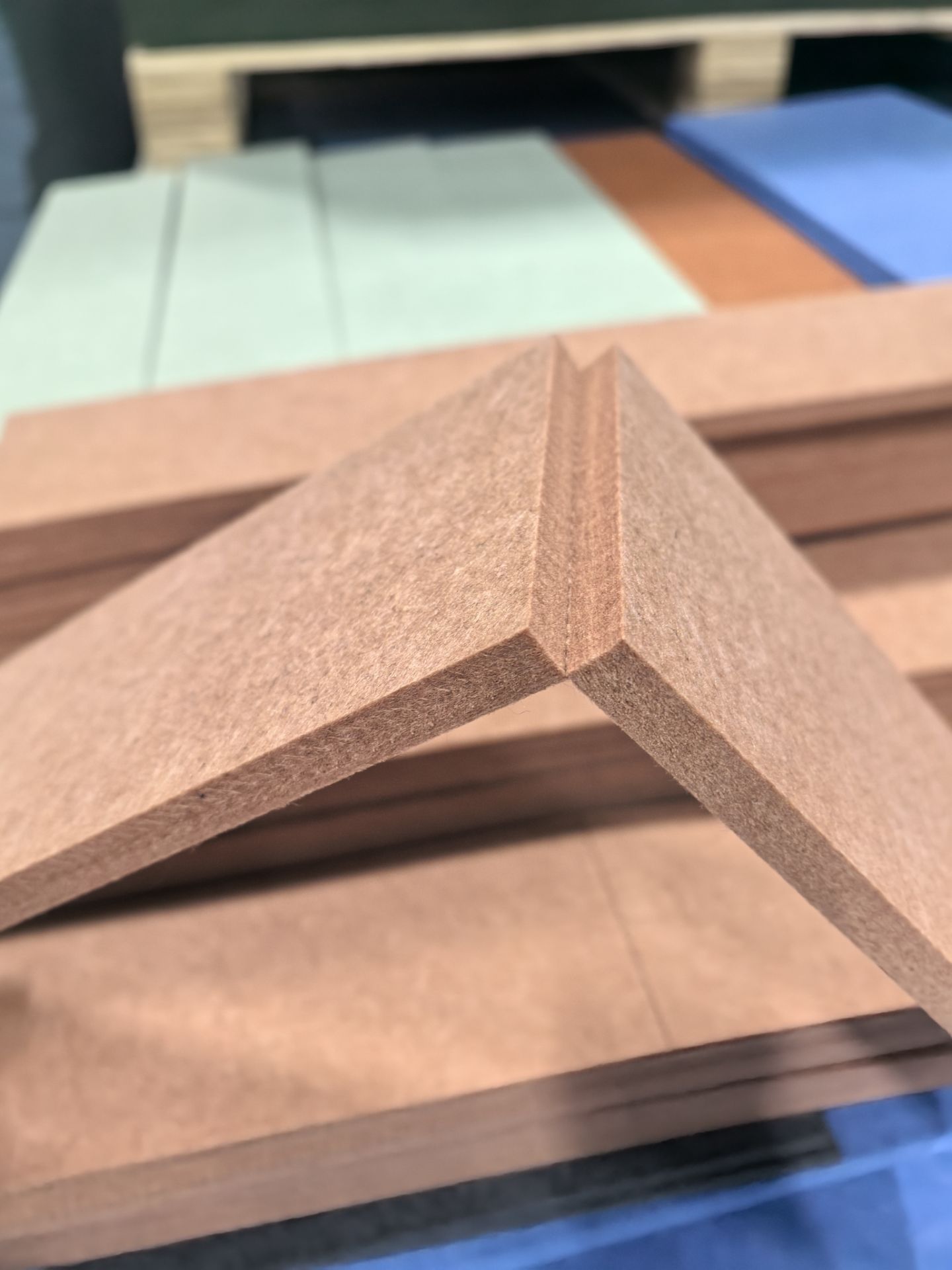
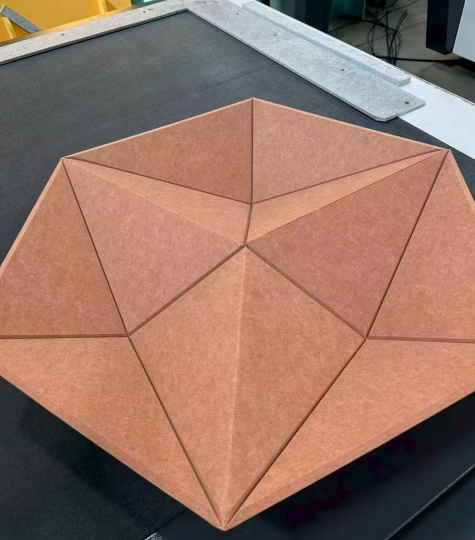
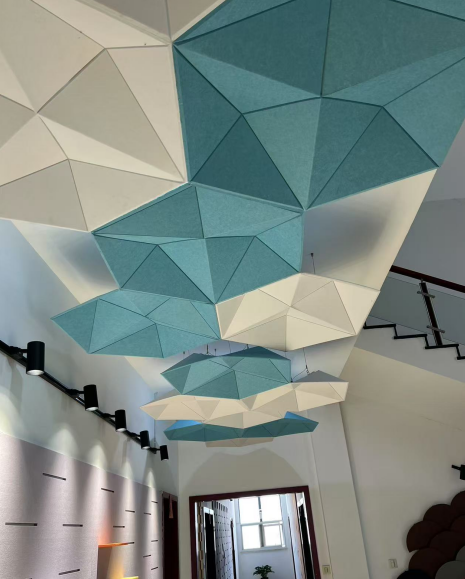
Typical Application Areas
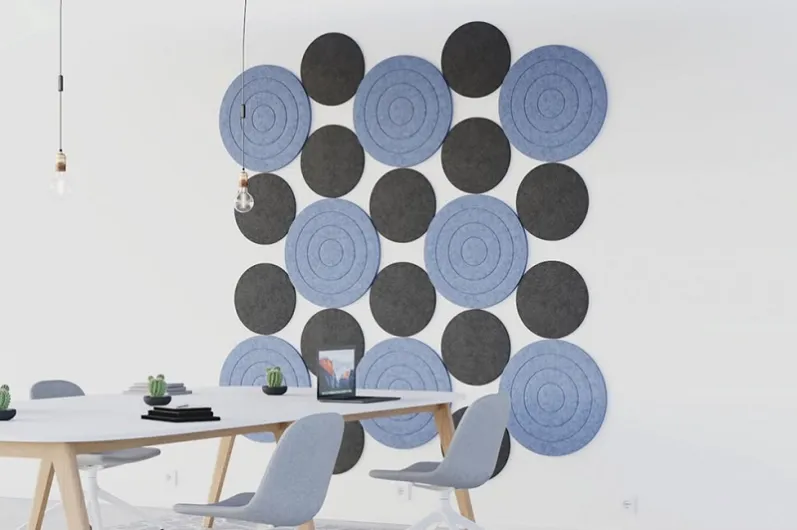
Recycled PET acoustic panels are widely used in:
- Office wall systems
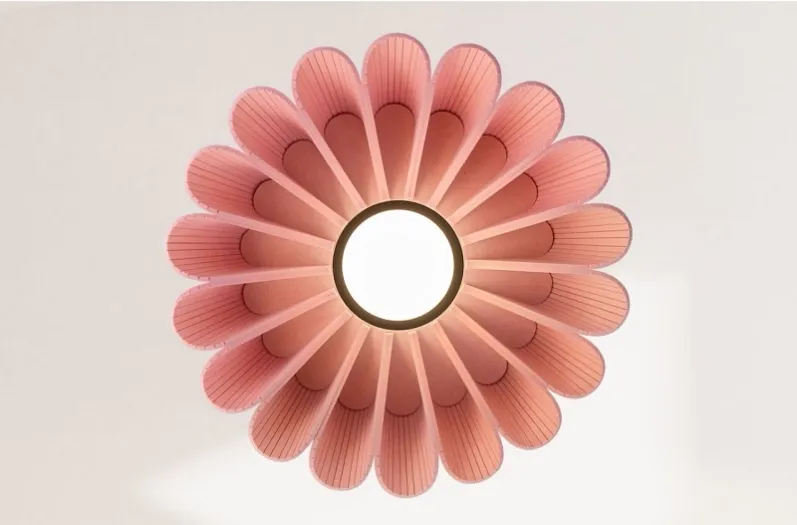
- Ceiling baffles
- Meeting rooms
- Schools
- Commercial interiors
- Hospitality projects
They provide both acoustic function and sustainable value.
Download Technical Reports or Request Sample
If you need:
- VOC report
Please contact us.
We are happy to support your project development.
Respond in 24 hours !
Related pages