Oct 6, 2026Services Overview
Why the Same Square Meters of PET Felt Can Have Different CNC Processing Costs
The same amount of PET felt can have very different CNC processing costs. Thickness, small details, tool paths, nesting and material waste all affect the final cost.
Why the Same Square Meters of PET Felt Can Have Different CNC Processing Costs
When customers discuss a PET felt project, they often start with the total material quantity.
For example, they may say, “We need 100 square meters.”
This is useful for calculating the material requirement, but it does not tell the full story about CNC processing.
The same 100 square meters of PET felt can require very different amounts of cutting work depending on the design, thickness, nesting and cutting method.
This is why CNC processing cost should not always be compared by square meters alone.
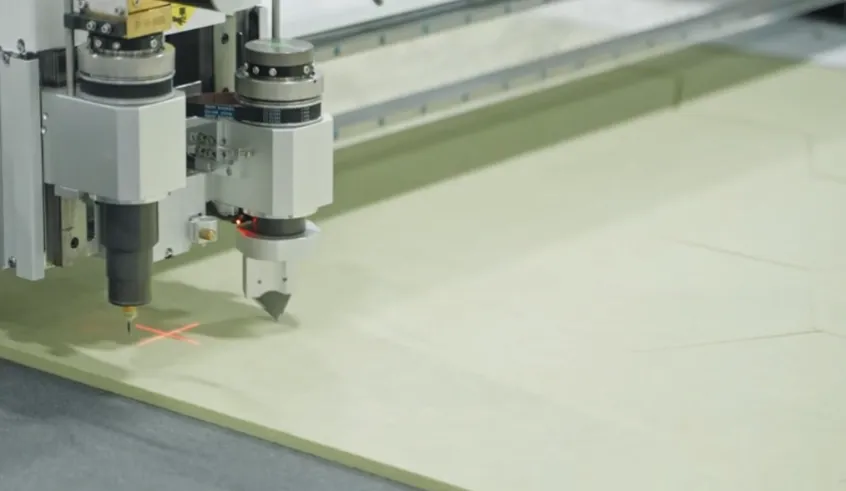
Small Holes Can Take More Cutting Time
Every hole adds another cutting path. When there are hundreds or thousands of small holes, the CNC machine needs to make many more movements, even though the total material area may not change very much.
The same applies to small internal openings.
A sheet with a few large openings and a sheet with many small openings can have the same finished area, but the cutting work can be quite different.
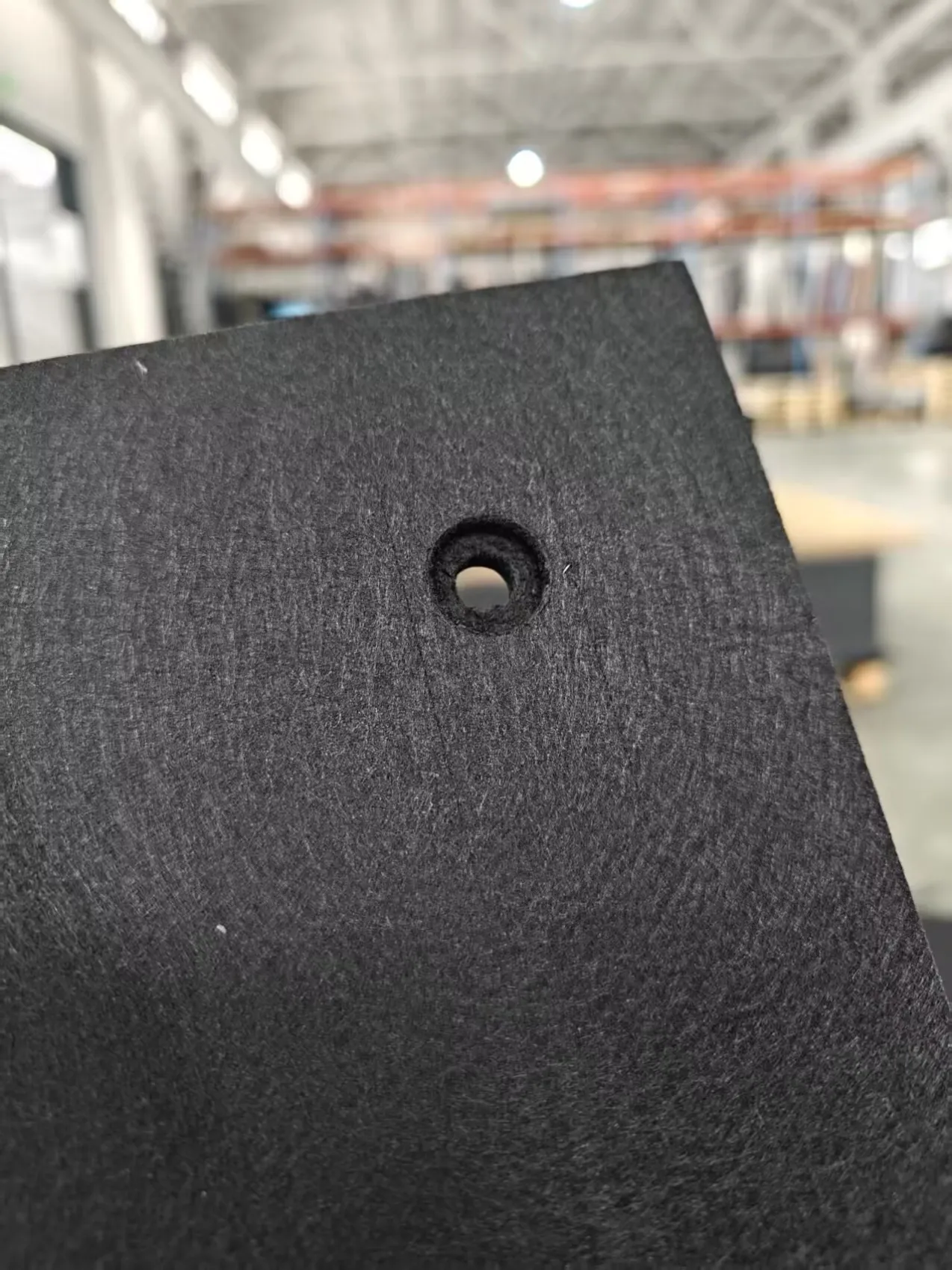
Narrow Slots and Small Corners Matter
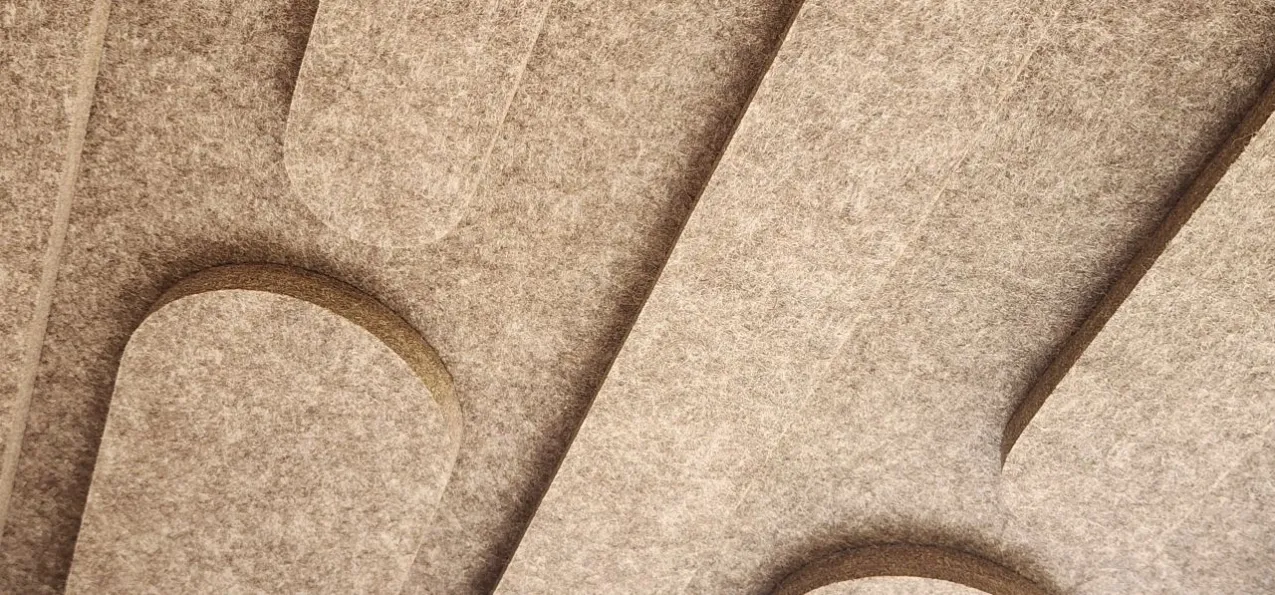
Narrow slots and small-radius corners can also increase cutting time.
The cutting tool needs to follow the design accurately through these detailed areas.
More changes in direction and more complicated tool paths can make the cutting process slower than a simple straight-line design.
This is especially important when the design contains many small details repeated across the sheet.
Repeated Small Components Can Change the Picture
Another factor is the number of individual components.
Imagine two projects using a similar amount of PET felt.
One project may contain a few large pieces. The other may contain many small pieces that all need to be cut separately.
The second project can require much more machine movement, more positioning and more individual cutting paths.
So the finished square meters may be similar, but the actual CNC work is not.
Nesting Affects Material Waste
Nesting is another part of the calculation.
When shapes can be arranged efficiently on a full sheet, material waste can be reduced.
However, complicated shapes, different component sizes or small repeated parts can make nesting more difficult. More unused areas may remain between the pieces.
This means the processing cost is affected not only by cutting time, but also by how efficiently the raw sheet is used.
Tool Path Is Part of the Processing Work
CNC processing is not only about how much material is removed.
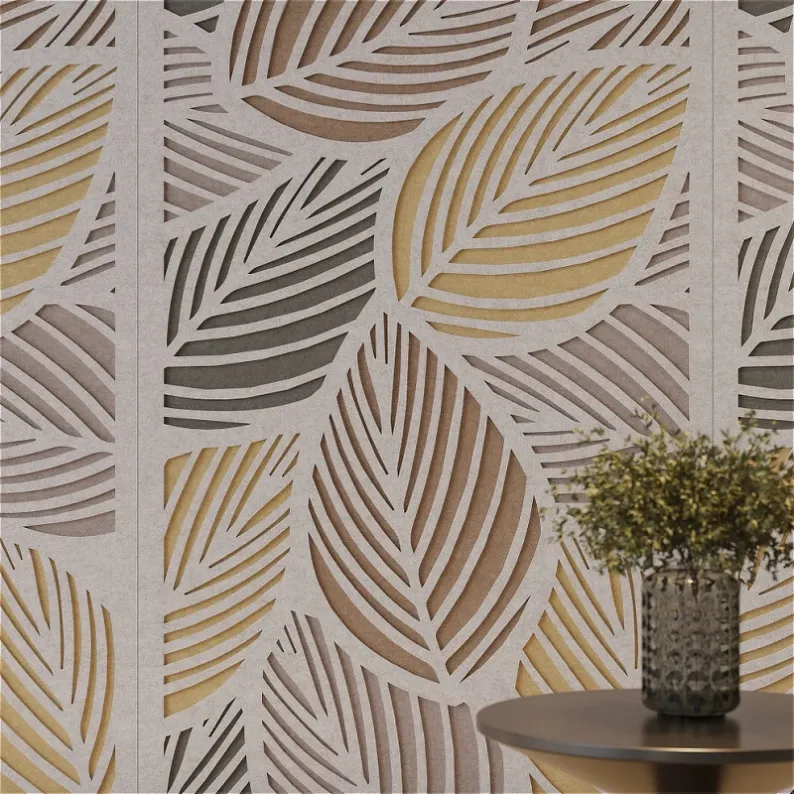
The machine needs to follow a tool path based on the drawing. A simple shape may have a relatively short and straightforward path, while a detailed design can require much more movement.
Small holes, narrow slots, internal cuts, corners and repeated components can all increase the total tool path.
This is one reason why two jobs using the same number of PET felt sheets may still have different CNC processing costs.
Material Thickness Can Also Affect the Cutting Cost
The material itself is another factor.
Different PET felt thicknesses do not necessarily have the same cutting cost, even when the finished cutting area is exactly the same.
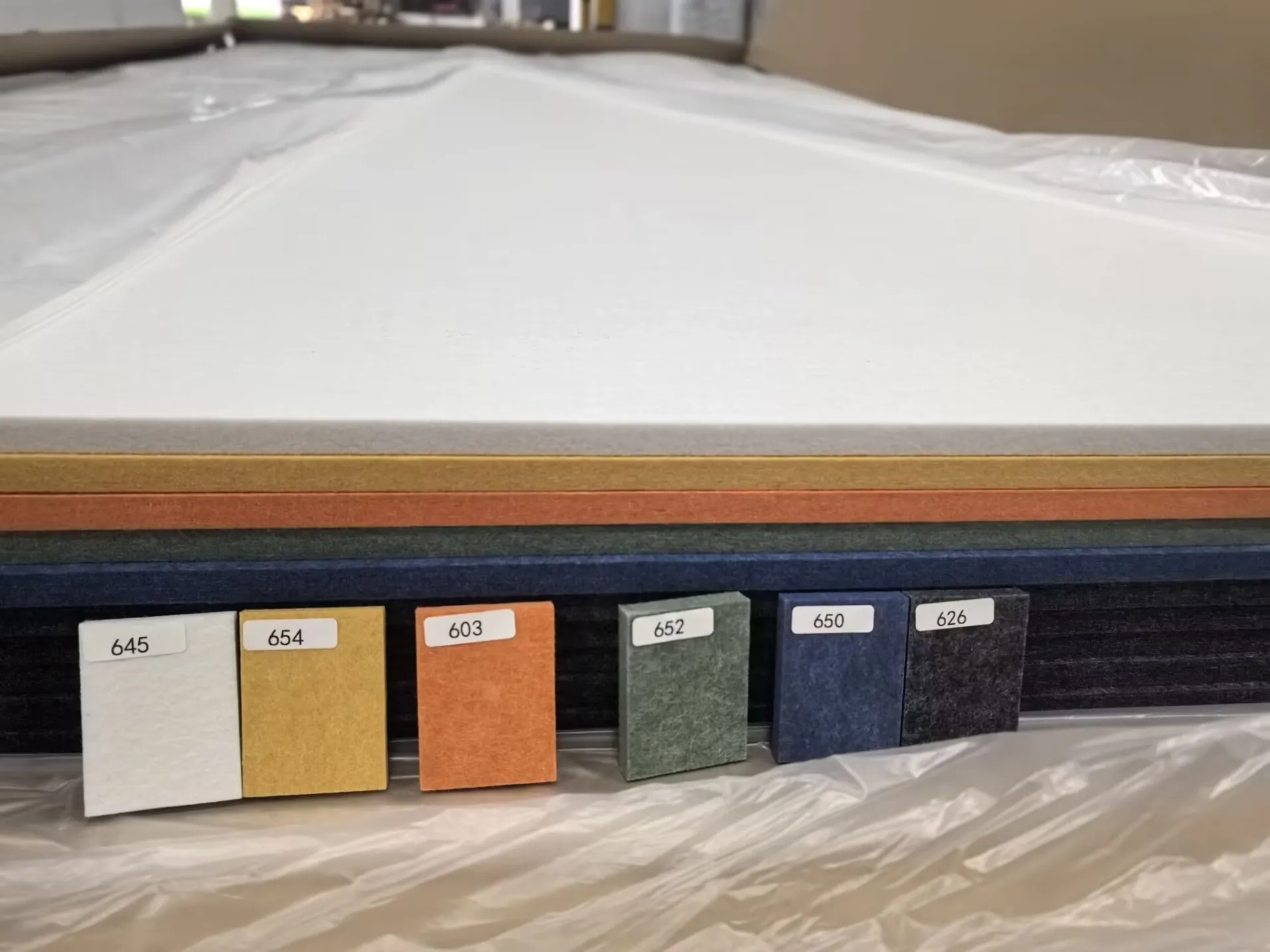
For example, we once made a set of PET felt colour samples for a customer. Each sample had a different shape, and the colour samples were made from both 12mm and 24mm PET felt.
The cutting area was not the only factor we needed to consider.
Cutting 24mm PET felt requires more from the cutting tool than cutting 12mm material. The thicker material causes greater tool wear, so the cutting cost for 24mm was calculated at approximately twice the cutting cost of 12mm for this project.
The total square meters alone would not show this difference.
This is a good example of why PET felt CNC processing cannot always be calculated simply by multiplying the area by a fixed price per square meter.
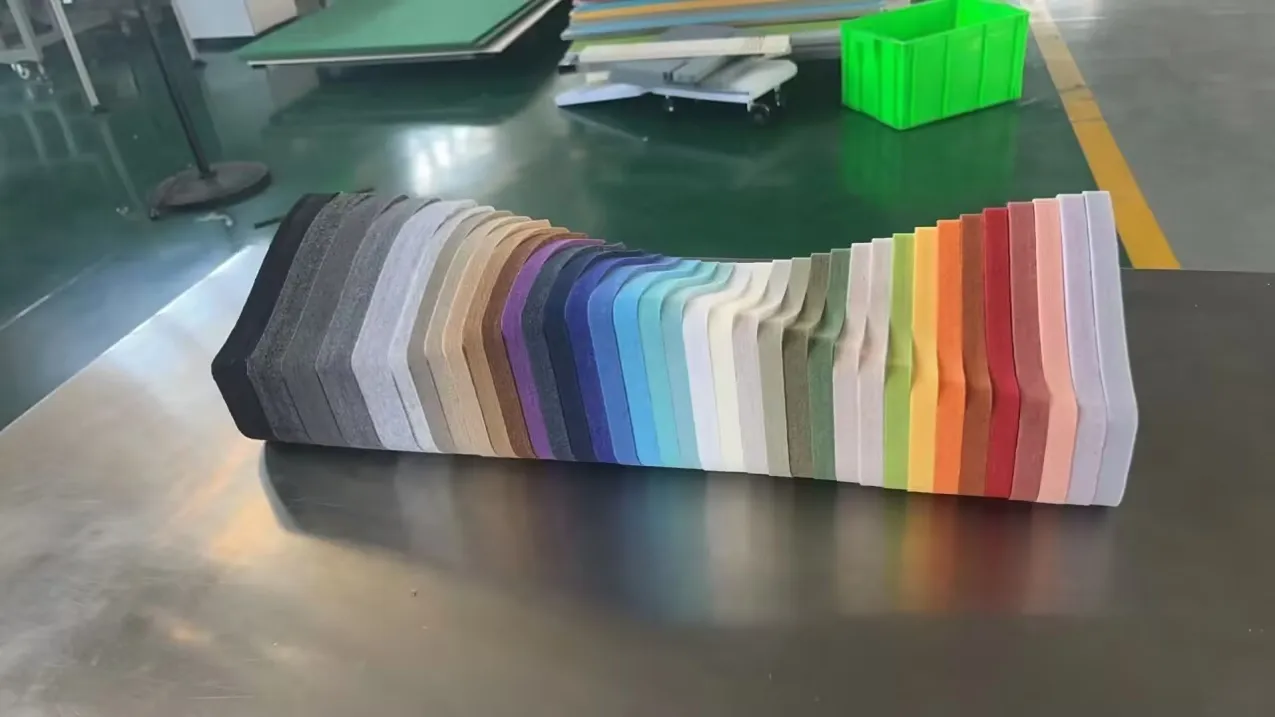
Material Properties Still Matter
Thickness is not the only material factor.
PET felt density, hardness, fibre bonding and actual material consistency can also affect how the material behaves during CNC cutting.
This is one reason why a cutting test can be useful before mass production, especially when the design contains detailed features.
The same drawing can sometimes require different cutting considerations when the material specification changes.
Price Should Not Be Compared by Square Meters Alone
When comparing CNC processing costs for PET felt, it is better to look at the complete processing requirement.
Important factors can include:
- PET felt thickness and material specification
- Finished sheet size
- Number of individual components
- Small holes and internal cuts
- Narrow slots and small-radius corners
- Total tool path
- Nesting efficiency
- Expected material waste
- Cutting time and tool wear
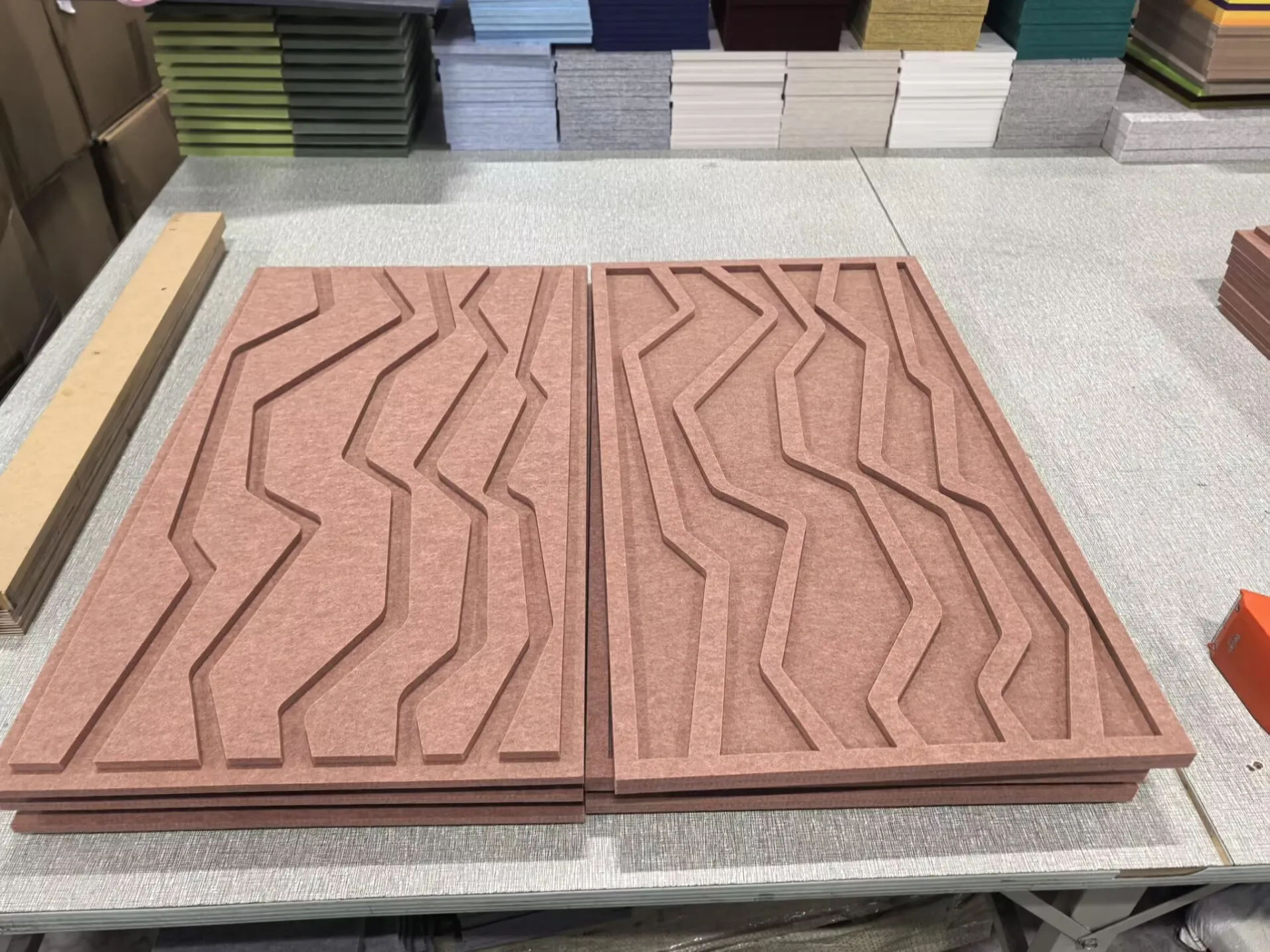
This is why two PET felt projects with the same square meter requirement can have completely different processing costs.
The key point is simple:
The same square meters do not always mean the same amount of CNC work.
If you have a PET felt CNC project, you can send us the drawing together with the required thickness and material specification. We can review the design and the cutting requirements before a larger production order.
More related pages:
📩 Send us your project drawings or specifications, and we will respond with a clear quotation and production suggestion within 24 hours.
Email: info@hengmy.com