Oct 21, 2026Services Overview
PET Felt Panel Front and Back: Which Side Matters?
Learn why PET felt panel faces may differ, when to specify the front side, and how to mark the preferred face for printing, laminating and production.
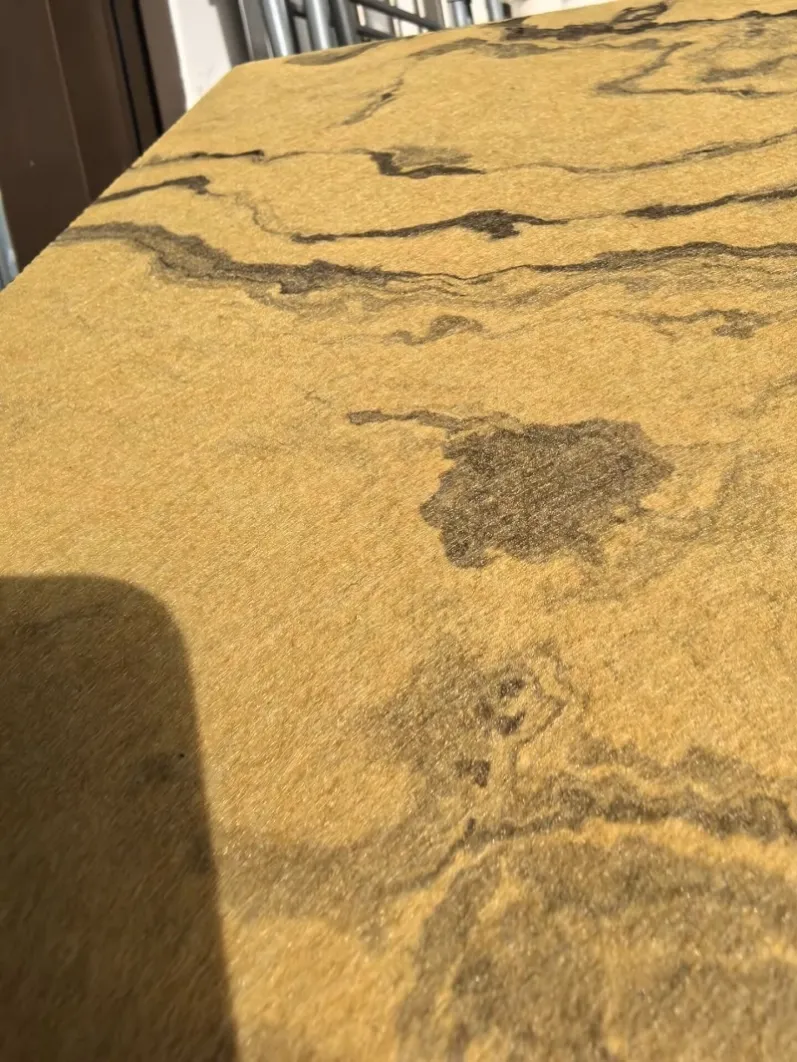
One PET Felt Panel, Two Sides: Does the Face Matter?
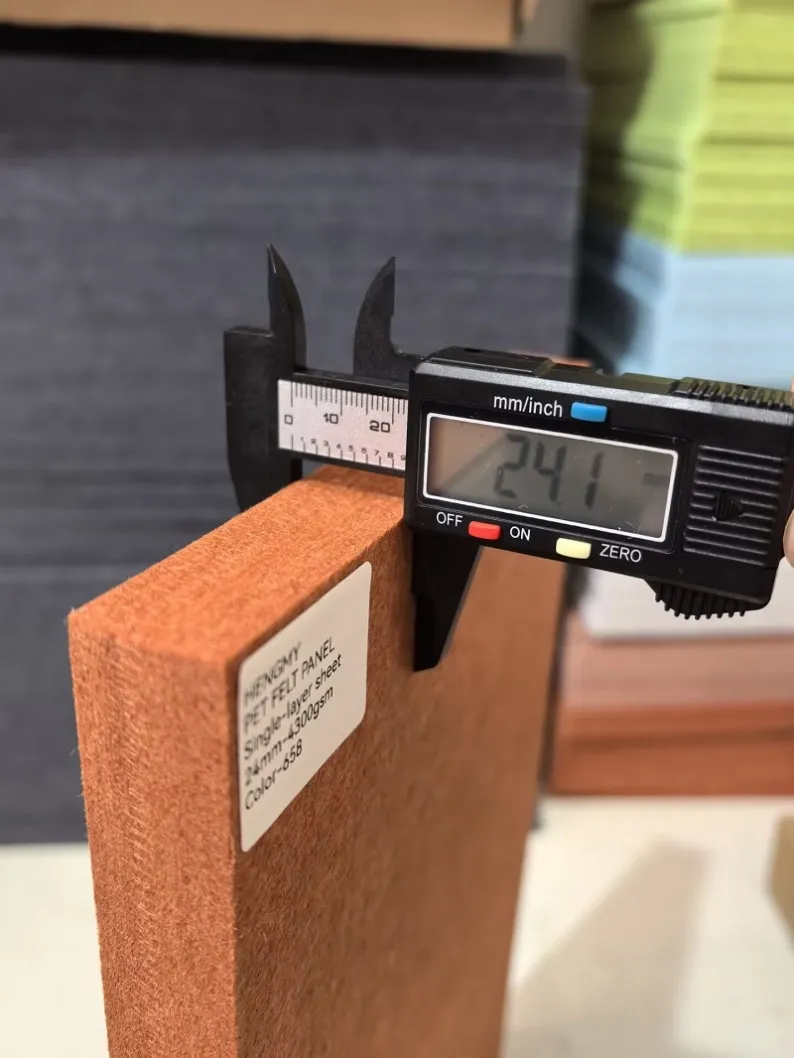
When you receive a PET felt sample, you may check its thickness, colour and density first. But there is another detail worth checking: which side is intended to face out?
Some PET felt panels have a similar appearance on both sides. Others may show differences in surface texture or finish. These differences may be small, but they can matter when the panel will be printed, laminated, CNC cut or used as a visible part of furniture or an interior product.
Before approving a sample, it is worth identifying the face you want to use.
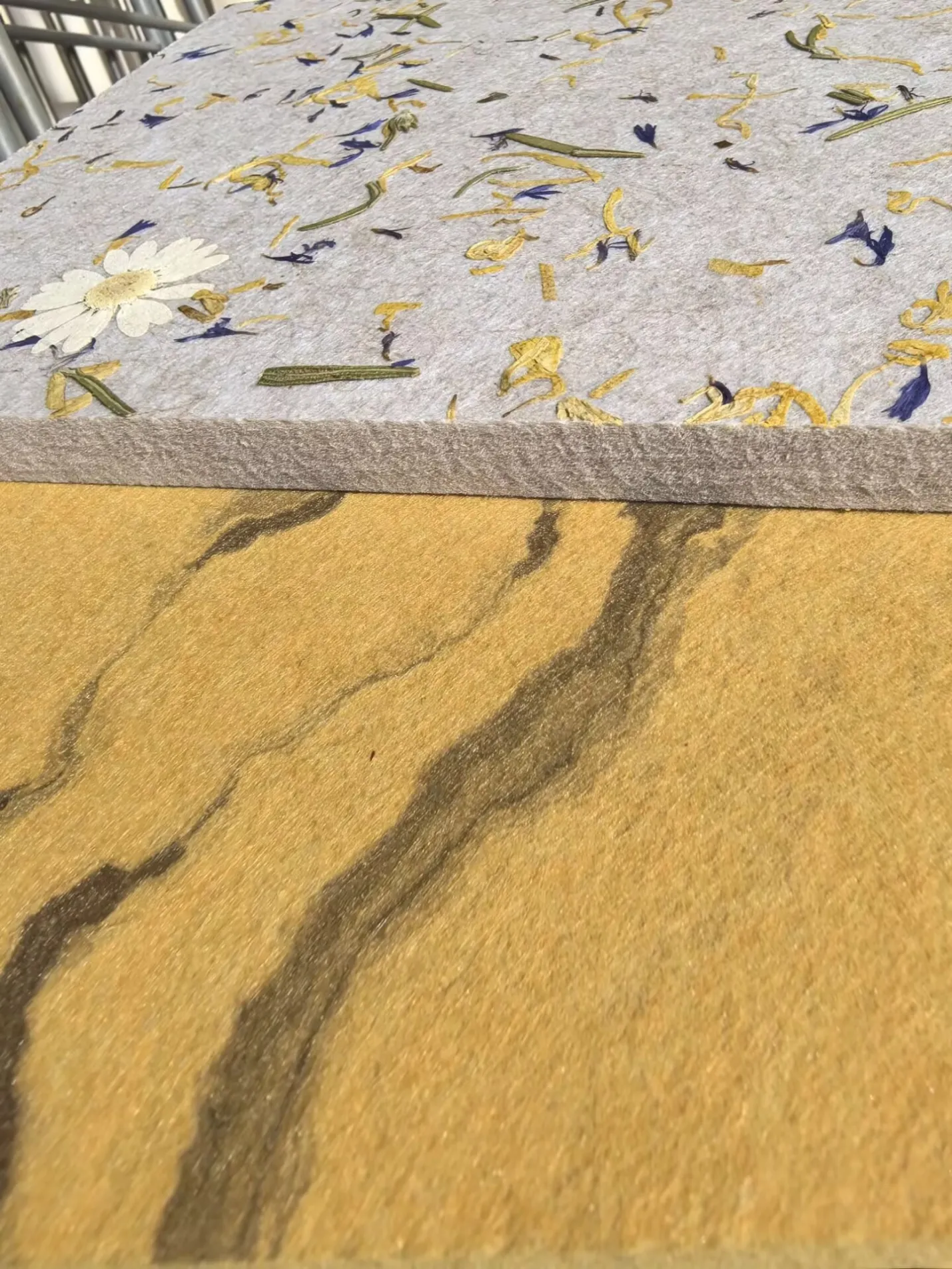
Are the Front and Back of PET Felt Panels the Same?
Not always. The appearance of each face depends on the material and how the panel is produced or treated.
On some panels, the front and back may look very similar. On others, one side may have a more suitable surface for the intended application. A panel with a specially treated face, for example, should be evaluated on the side that will receive the treatment or be used for the finished product.
This does not mean that one side is always better. The important question is whether the face you plan to use meets your requirements.
When checking a sample, look at both sides under normal lighting. Compare their colour, surface texture and visible fibres. If the panel will be printed or laminated, also consider which side will receive that process.
Why the Face Matters for Printing and Lamination
For plain-colour applications, a small difference between the two faces may not affect the finished product. But when the surface is visible, the choice can become more important.
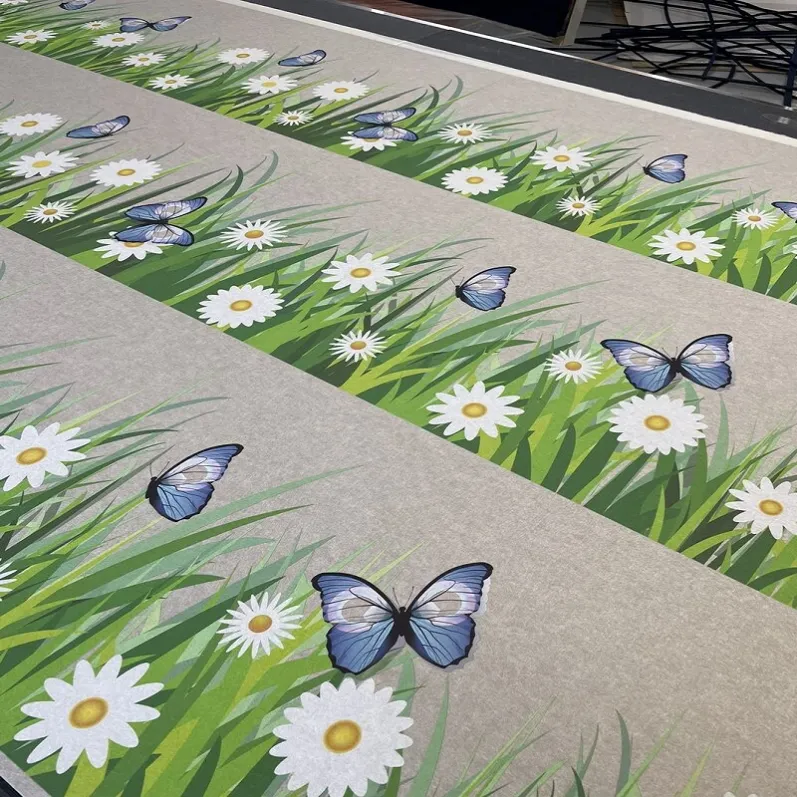
For printing, the surface texture may influence how the design appears. Fine details or light-coloured patterns can make surface fibres more noticeable. If a smoother printed finish is required, the intended printing face should be identified and evaluated before production.
For lamination or bonding, the surface that receives the adhesive or other material should be confirmed with the processing requirements in mind. Do not assume that the two faces will behave identically without checking.
The same applies to furniture components, wall panels and other products where one face remains visible after installation. The surface that looks acceptable on a sample may need to be checked against the actual design and use.
Identify the Preferred Face Before Approving the Sample
A simple way to avoid confusion is to mark the preferred face on the sample.
For example, a small sticker can identify the side intended for printing or as the visible face. The sample details can also state which side has been selected.
This is particularly useful when the panel will go through additional processing. The designer, purchasing team and production team should all be referring to the same face.
When approving a sample, confirm:
- Which side is intended to be visible?
- Will that side be printed, laminated or otherwise processed?
- Does the approved sample show the same surface finish planned for production?
- How will the preferred face be identified when the panels are delivered?
These details do not need to become a complicated specification. A clear note and a marked sample may be enough, as long as everyone follows them.
Keep the Sample and Production Specification Consistent
Once the sample is approved, record the selected face in the order details or product specification. If the front side needs a sticker or another identification method, agree on that before production.
This helps avoid a common source of confusion: the sample is checked on one side, but the panels are later processed or installed using the other.
If both faces are acceptable for your application, you can state that as well. There is no need to specify a preferred face when it makes no practical difference to the finished product.
The aim is simply to make sure the approved material matches what you intend to produce.
Need PET Felt Panels for Your Project?
We supply PET felt panels for decorative, furniture and other interior applications, with options for different thicknesses, densities and surface requirements.
If you are sourcing PET felt for printing, lamination or a visible finished component, tell us the panel specification and how you plan to use it. You can also share a drawing, reference photo or sample.
We can help you review the material requirements and identify the appropriate face for your application before you confirm the order.
More related pages:
📩 Send us your project drawings or specifications, and we will respond with a clear quotation and production suggestion within 24 hours.
Email: info@hengmy.com