Oct 20, 2026Services Overview
Printed PET Felt: Why Surface Texture Matters for Print Quality
Learn how PET felt surface texture affects print quality, why light woodgrain designs can be challenging, and when a smoother pressed face may help.
Printed PET Felt: Why Surface Texture Matters for Print Quality
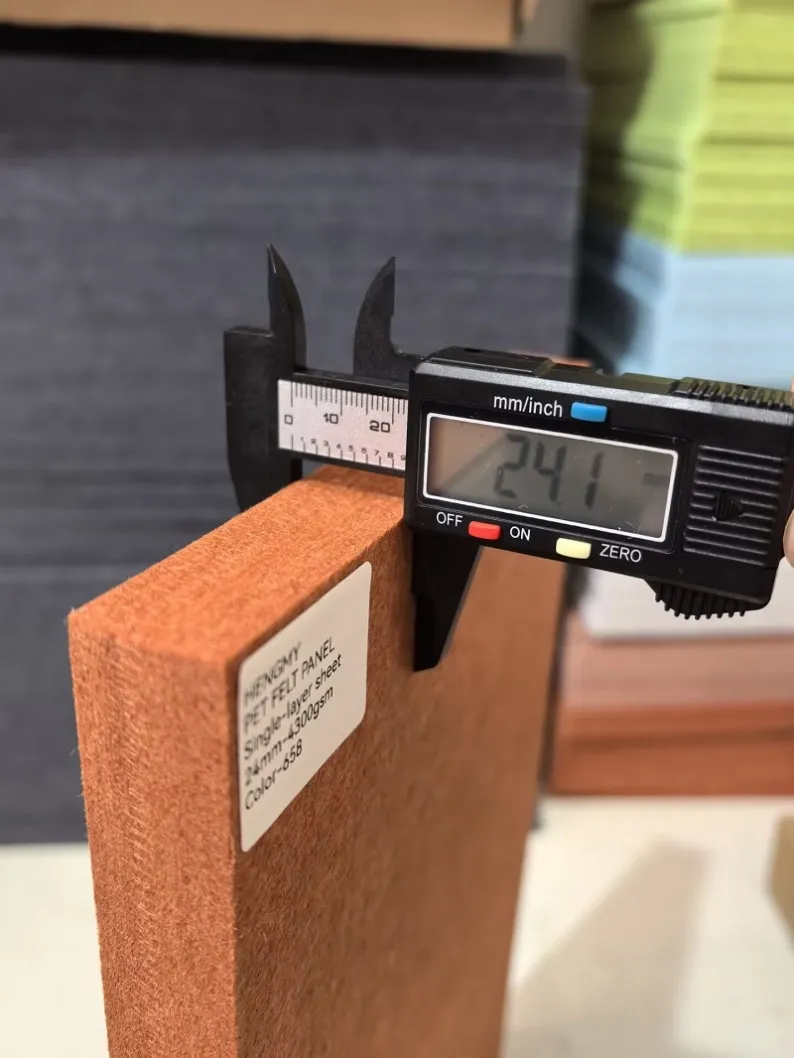
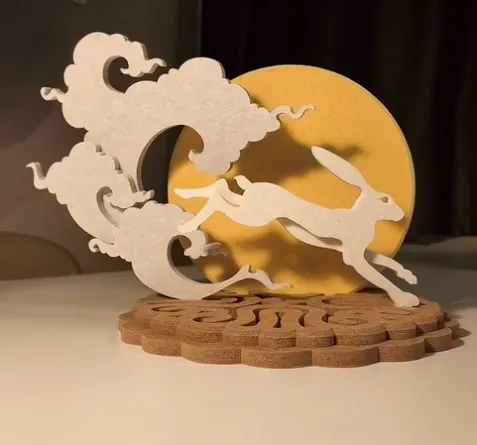
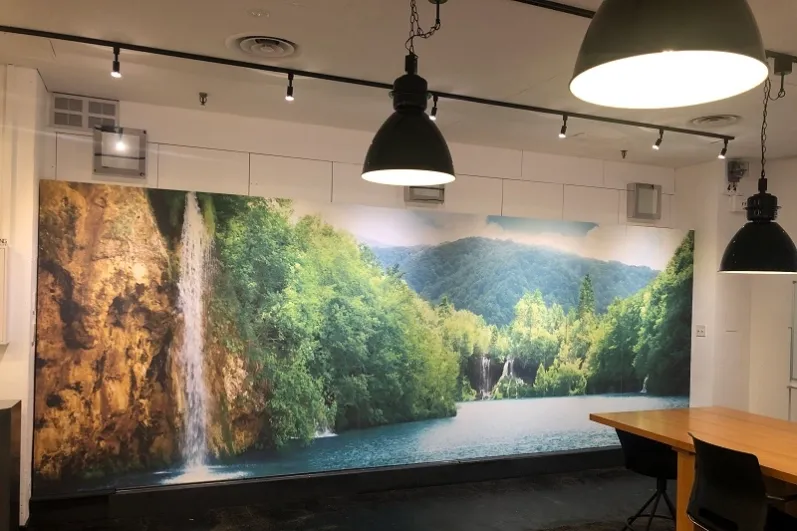
PET felt is widely used for decorative panels, wall coverings, ceilings and office furniture. When the material is used as a printing base, however, its surface texture becomes more important.
A panel that looks good in a plain colour may not give the same result after printing. This is worth checking before developing a new printed PET felt product, especially when the design includes light colours, fine details or a woodgrain pattern.
Why PET Felt Surface Texture Affects Printing
PET felt is made from polyester fibres, so its surface is naturally fibrous rather than completely smooth. Depending on the panel and the intended print design, small fibres and variations in the surface may remain visible through the printed pattern.
The effect can be easier to notice with pale woodgrain, beige tones and other designs with subtle colour differences. These patterns often rely on fine details to create their appearance. If the surface texture is too noticeable for the intended finish, the printed result may look less clean than expected.
Darker or less detailed designs may be more forgiving, but this is not a fixed rule. The actual result depends on the print design, the surface condition and the printing process.
For this reason, a digital artwork or a printed image on a screen is not enough to judge whether a particular PET felt panel is suitable.
When Is a Smoother PET Felt Face Worth Considering?
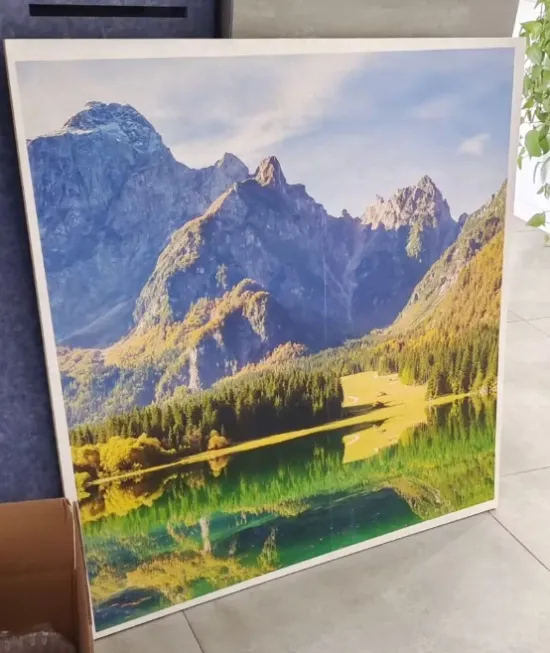
If the printed appearance is a priority, one option is to use PET felt with a high-temperature pressed face.
This treatment can make the surface smoother and reduce the visibility of surface fibres. It may provide a more suitable base for designs that need a cleaner appearance, including some light-coloured patterns.
However, a smoother face does not guarantee better print quality in every case. The result still depends on the design and printing method, so the material should be tested before the specification is finalised.
It is also important to identify which side of the panel will be printed. If only one face receives the surface treatment, the sample approved for printing should represent that same face and finish.
This small detail helps avoid confusion when moving from sample evaluation to mass production.
How to Evaluate PET Felt Before Printing
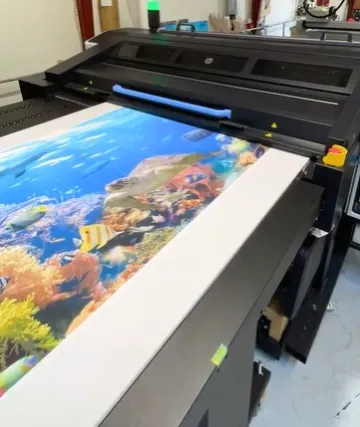
Before placing an order, it is worth checking the printed sample rather than judging the raw material alone.
Here are four things to look at:
- Surface fibres: Are they visible through the printed design, and is that acceptable for the finished product?
- Pattern definition: Do the lines, grain details and colour transitions look clear enough?
- Consistency: Does the appearance remain acceptable across the panel, rather than only in one small area?
- Viewing conditions: Does the print look right under normal lighting and from the distance at which people will see the finished product?
A close-up photo can help with an initial review, but it should not replace a physical sample when appearance is critical. Lighting, camera settings and viewing distance can all affect how the surface is perceived.
If the panels will be used in furniture, wall coverings or other visible interior applications, assess the sample in a way that reflects the final use as closely as possible.
Choose the Surface Finish for the Intended Application
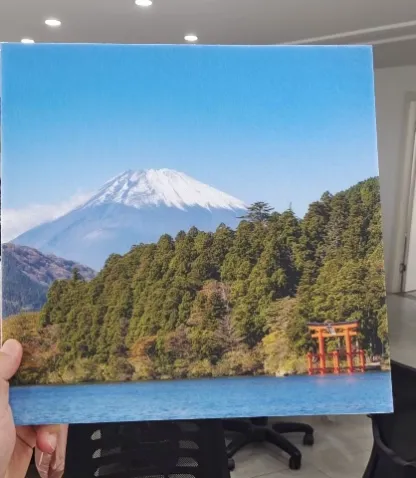
There is no need to choose the smoothest possible surface for every printed PET felt product. The right choice depends on the appearance you want to achieve.
For some designs, the natural felt texture may be acceptable. For others, particularly those with pale woodgrain or fine decorative details, a pressed face may be worth testing.
Before confirming the material, share the intended design, panel thickness and application with your PET felt supplier. Discuss whether surface pressing is needed and approve a sample with the intended finish before proceeding to production.
This gives both sides a clear reference for the material and the expected appearance.
Looking for PET Felt for Printing?
We supply PET felt panels for decorative and functional applications, with surface finish options to suit different project requirements.
If you are developing printed PET felt panels, woodgrain designs or other decorative products, tell us about your panel thickness, print design and intended application. If you have a reference image or sample, you can share that too.
We can discuss whether a standard or high-temperature pressed face is worth testing and help you evaluate a suitable sample before moving forward with your project.
More related pages:
📩 Send us your project drawings or specifications, and we will respond with a clear quotation and production suggestion within 24 hours.
Email: info@hengmy.com