Oct 29, 2026Services Overview
Standard vs Custom PET Felt Sizes: What Changes?
Learn how standard and custom PET felt panel sizes affect production planning, MOQ, colour options and lead time, so you can choose the right specification before ordering.
Standard vs Custom PET Felt Sizes: What Changes?
When ordering PET felt panels, a small change in size may look like a simple adjustment.
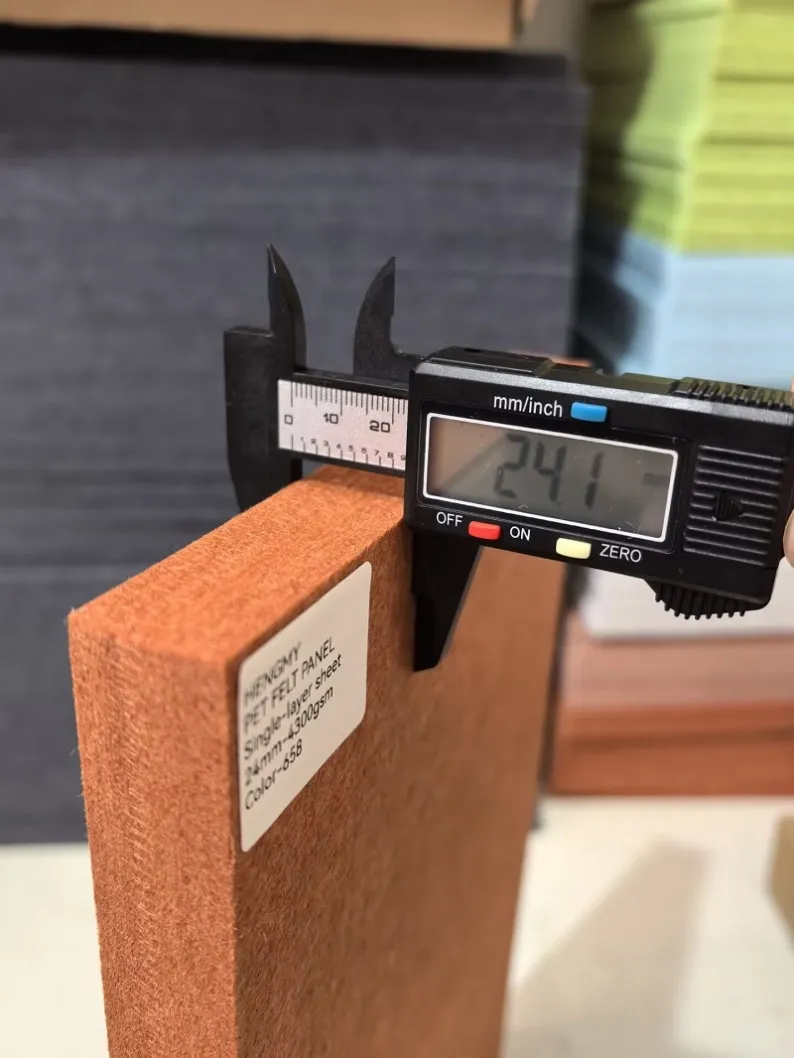
For example, if you need a 24mm panel, you might assume that changing the length from 2840mm to 2440mm should make little difference. The panel is still 1220mm wide and 24mm thick. Why should the production arrangement change?
From the buyer's side, this is a reasonable question.
But for a manufacturer, the difference between a standard specification and a custom one is not always about the number of millimetres. It is also about how the product fits into the regular production plan.
What Makes a PET Felt Size Standard?
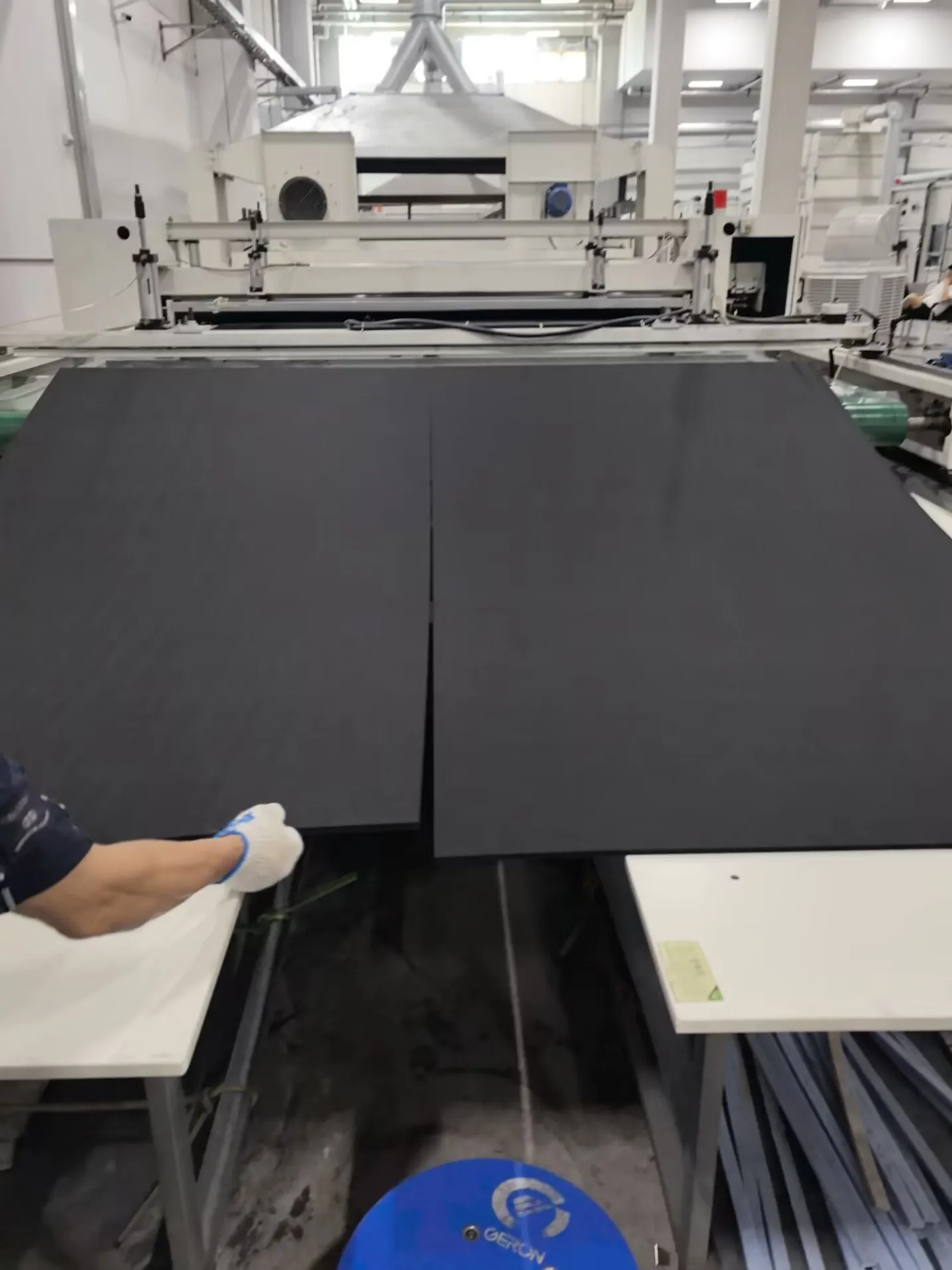
A standard size is a specification that a manufacturer produces regularly. The material, production arrangement and packing method are already planned around it.
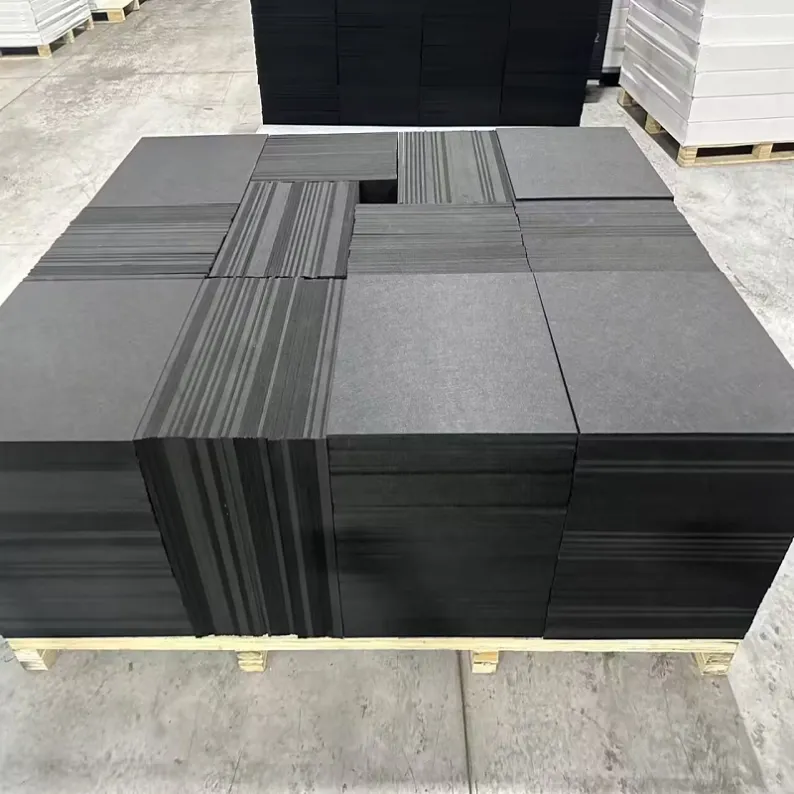
For example, our regular 24mm PET felt sheet is available in 1220 × 2840mm, at approximately 4200gsm.
If a project requires this specification and a suitable colour is available, it may be easier to arrange than a size outside our regular production range.
However, standard sizes can differ between manufacturers. A size that is standard for one factory may not be part of another factory's regular production programme.
That is why it is worth asking whether the exact size and thickness you need are standard for that particular supplier, rather than assuming that all 24mm panels follow the same dimensions.
Why Can a Small Size Change Affect Production?
Now consider a requirement for 1220 × 2440mm, 24mm thick.
Although 1220 × 2440mm is a common sheet size for PET felt panels, it is not our regular production size for 24mm material. In our current range, 24mm panels are normally produced in 1220 × 2840mm.
Producing the 2440mm length may therefore require a different production arrangement.
The factory needs to check how the requested size fits its production schedule, material preparation and packing plan. It cannot always be treated as the same product with 400mm simply removed.
This does not mean that every custom size is difficult or unsuitable. It means the manufacturer needs to confirm how that specification can be produced before giving a reliable price and lead time.
Why Does Custom Size Have an MOQ?
For standard products, a manufacturer may already have suitable material or an established production arrangement.
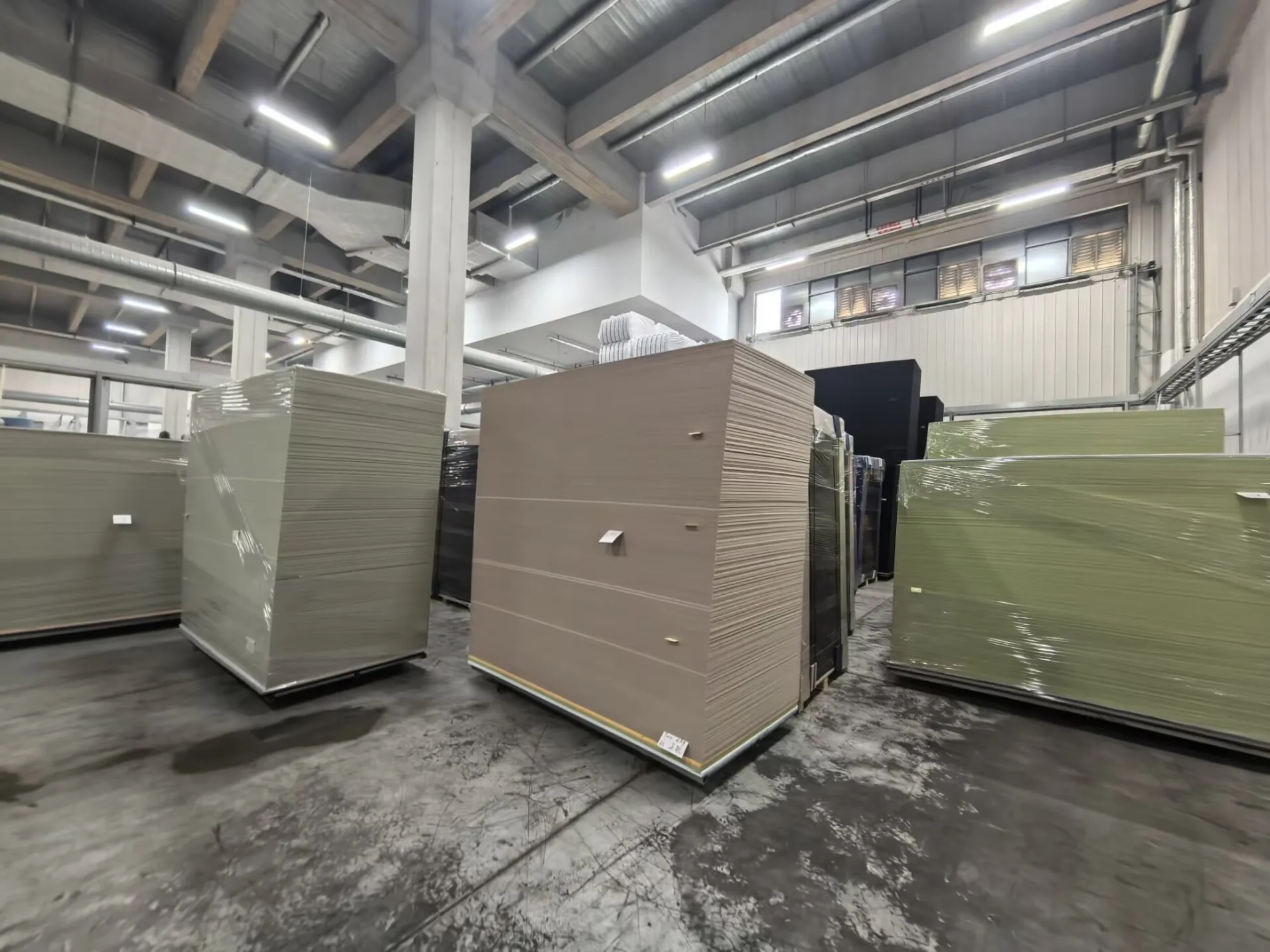
For a custom size or density, production needs to be planned around the specific requirement. Making a small quantity may be less efficient than producing a larger batch of the same specification.
For our custom sizes and densities, the MOQ is normally 200 sheets per colour and per specification.
This is an important detail: 200 sheets in total does not automatically meet the MOQ if the order is divided among several colours or specifications.
For example, an order for 200 sheets split across four colours may be treated differently from an order for 200 sheets in one colour. The exact arrangement needs to be checked against the production requirements.
Custom colour is another matter. Developing a new colour can involve a separate raw-material minimum, so its MOQ may be higher than that for a custom size using an existing colour.
These are different requirements and should be confirmed separately.
Should You Always Choose a Standard Size?
Not necessarily.
A standard size may be the more practical option if it meets your design and processing requirements. It can also make purchasing and repeat orders easier to plan.
But if your furniture component, CNC nesting layout or finished product requires a particular dimension, changing the design just to use a standard sheet may create extra cutting work or material waste.
The better choice depends on how the panel will be used.
Before deciding, compare the complete requirement: the panel size, thickness, density, colour, quantity and any further cutting needed after delivery.
A custom size may involve a higher MOQ, but it can still make sense if it simplifies your own production.
What Should You Confirm Before Asking for a Quote?
To avoid unnecessary back-and-forth, it helps to provide these details at the beginning:
- Required panel length and width
- Thickness and GSM
- Preferred colour or colours
- Quantity required for each colour and specification
- Whether the panels will be used as full sheets or cut into components
- Your required delivery schedule
With this information, the supplier can check whether the specification falls within its regular range or needs custom production.
It also makes it easier to explain the applicable MOQ, estimated lead time and price.
Need a Standard or Custom PET Felt Size?
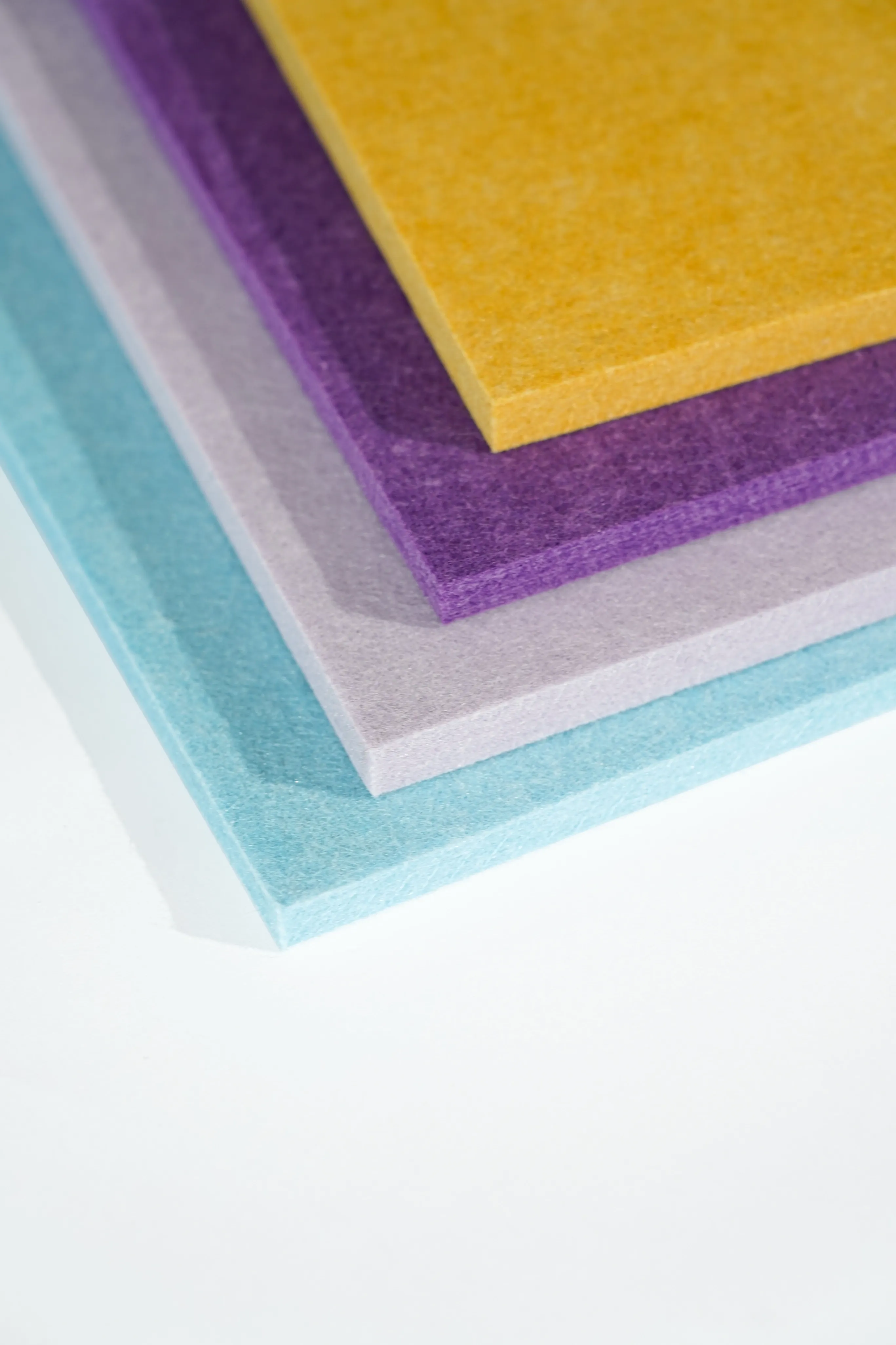
If you are comparing different PET felt panel sizes, send us your required dimensions, thickness, GSM, colours and quantity.
We can check whether your specification matches our regular production range or needs a custom arrangement, then provide a quotation based on your actual requirements.
If you are still deciding between a standard and custom size, you can contact us before finalising your design. It is easier to review the production options at the quotation stage than to change the specification after the order has been confirmed.
More related pages:
Contact us to discuss your PET felt project and take the next step from design to sample.
📩 Send us your project drawings or specifications, and we will respond with a clear quotation and production suggestion within 24 hours.
Email: info@hengmy.com