Aug 27, 2026Services Overview
PET Felt Acoustic Panels for Office Furniture Manufacturers
How office furniture manufacturers can use PET felt panels for desk screens, workstation dividers and cabinet doors, with practical tips on material selection and processing.
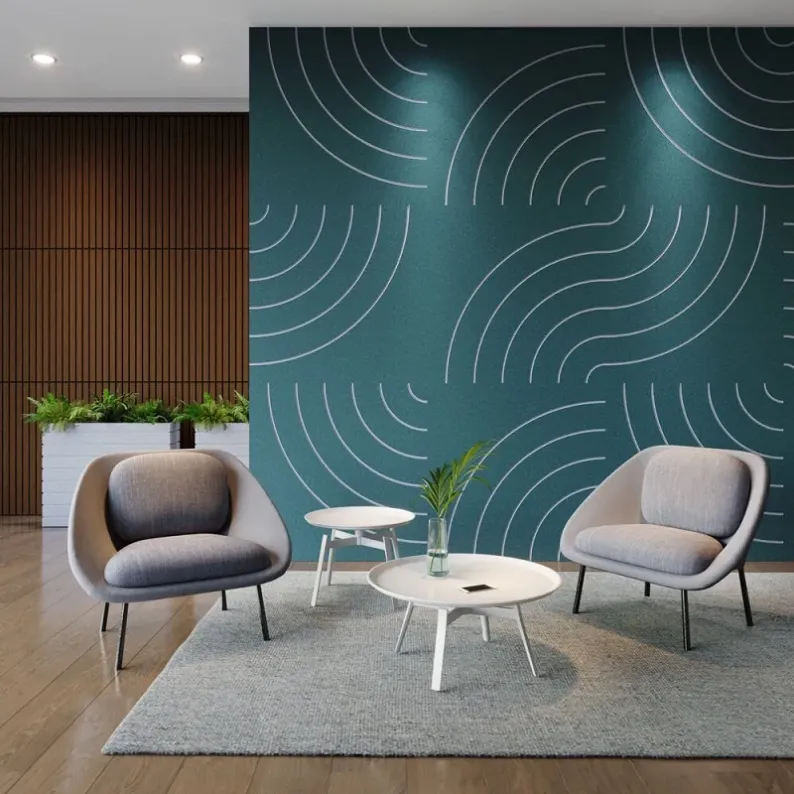
PET Felt Acoustic Panels for Office Furniture Manufacturers
If you manufacture office furniture, you may already know that acoustic performance is becoming an important part of office design.
Open-plan offices need privacy, but companies do not always want to build more walls.
This is where acoustic office furniture can be useful.
A desk screen, workstation divider or acoustic cabinet can do more than separate working areas. With the right material, it can also help reduce some of the unwanted sound around the workspace.
For many furniture manufacturers, PET felt is an interesting material because it can be supplied as large panels and then cut, CNC processed and assembled into different furniture components.
But before choosing a PET felt panel for production, there are several practical points worth considering.
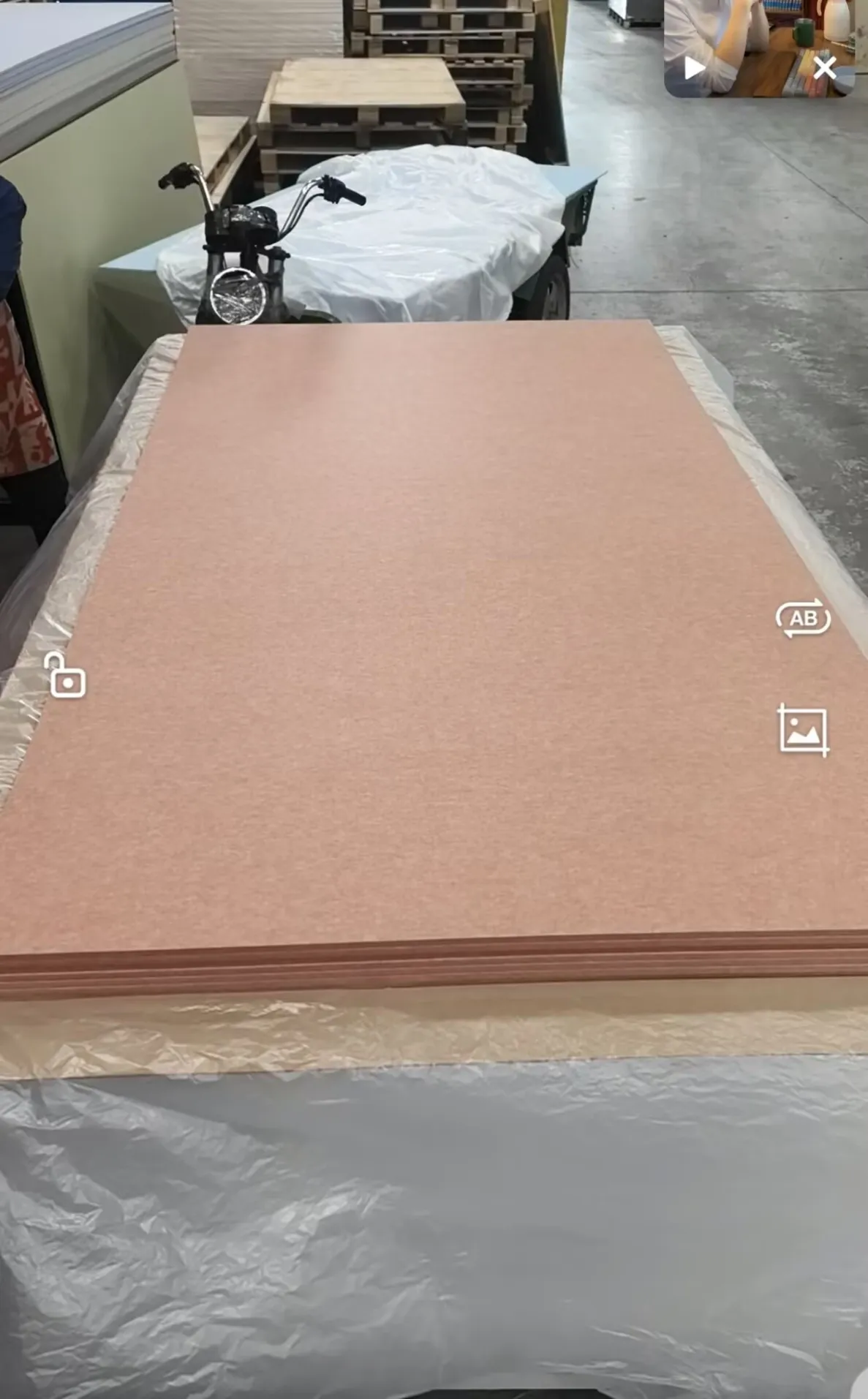
PET Felt as a Raw Material for Office Furniture
When we talk with furniture manufacturers, they are usually not looking for a finished acoustic product.
They are looking for a reliable raw material.
They may buy PET felt panels in standard sizes and then cut them into their own designs.
The finished products can be very different from one factory to another.
One customer may produce desk dividers.
Another may make workstation screens.
Another may use PET felt for cabinet doors or decorative furniture components.
This is one of the reasons PET felt works well for this type of application.
The large panel gives manufacturers flexibility to develop their own shapes and sizes instead of buying a finished product from another supplier.
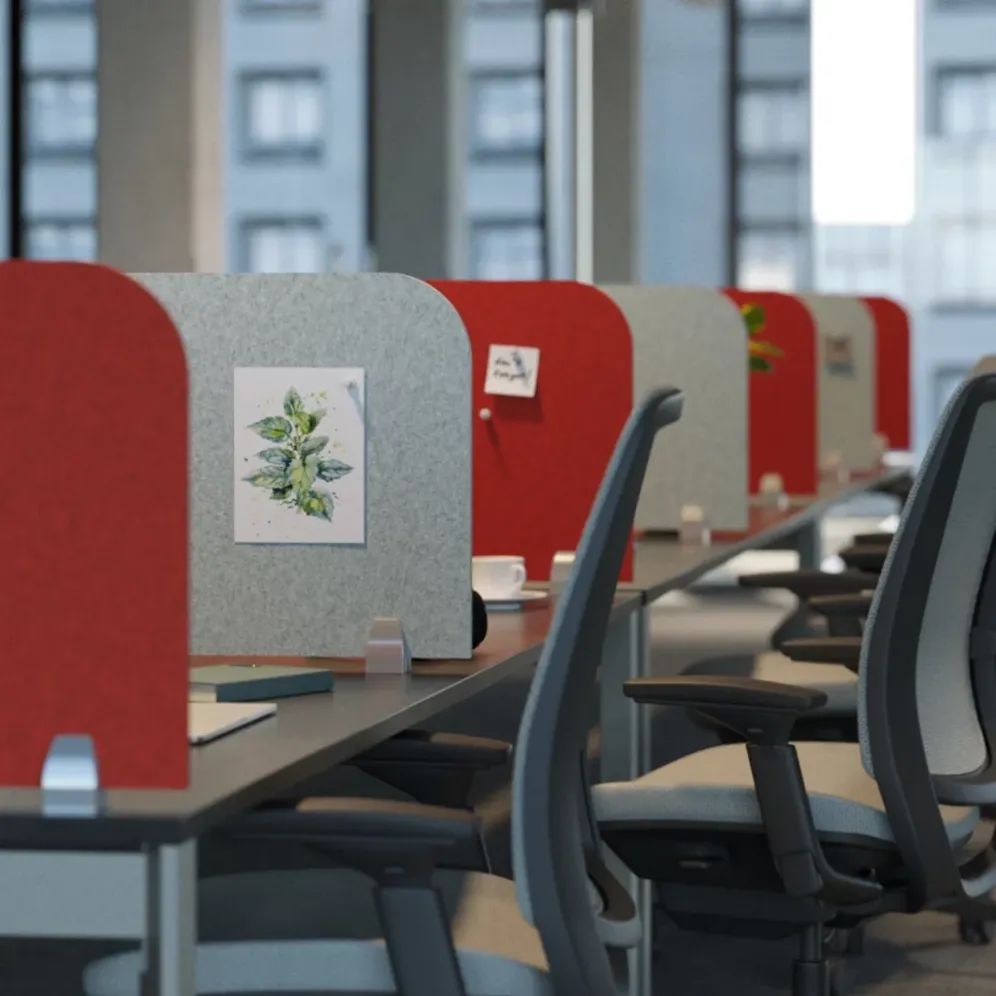
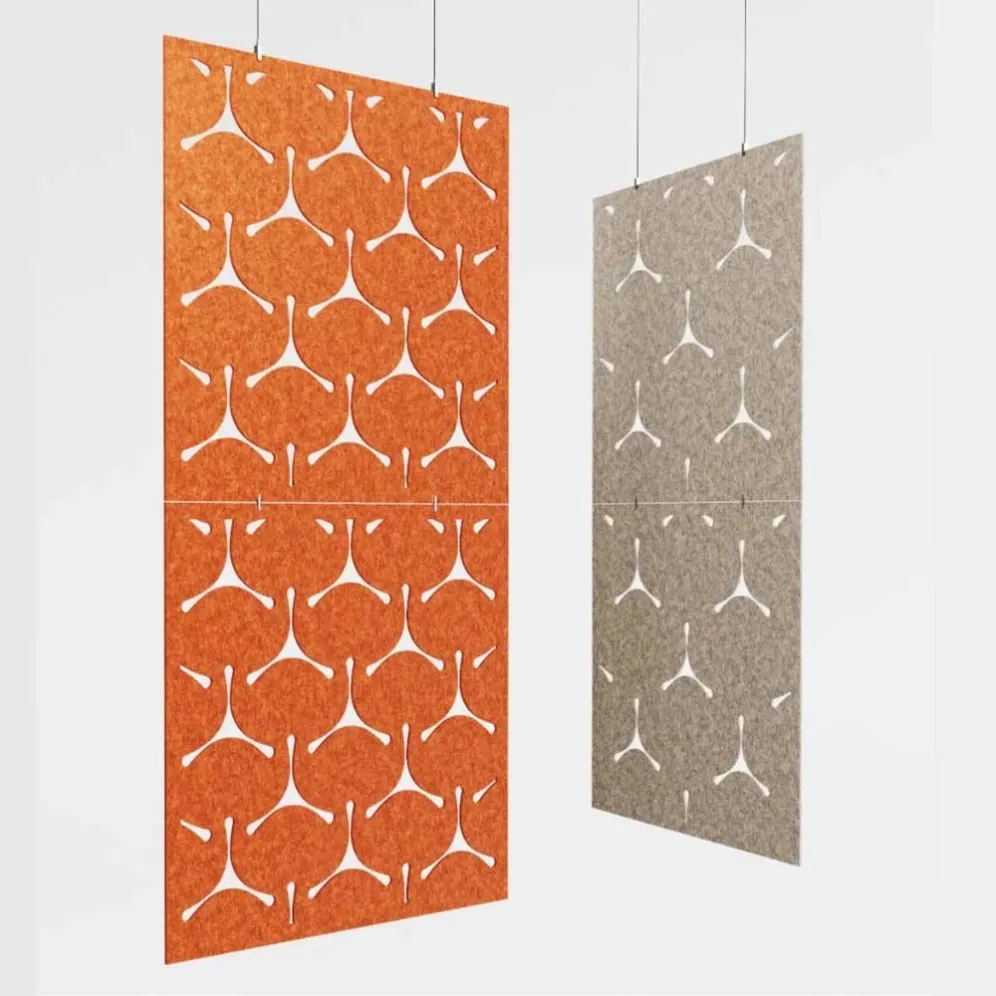
PET Felt Desk Divider
A PET felt desk divider is one of the more common applications.
It can be installed between two desks or around a workstation to create some visual separation between users.
The panel can be cut into different shapes depending on the furniture design.
For manufacturers, this is useful because the same basic PET felt material can be processed into different models.
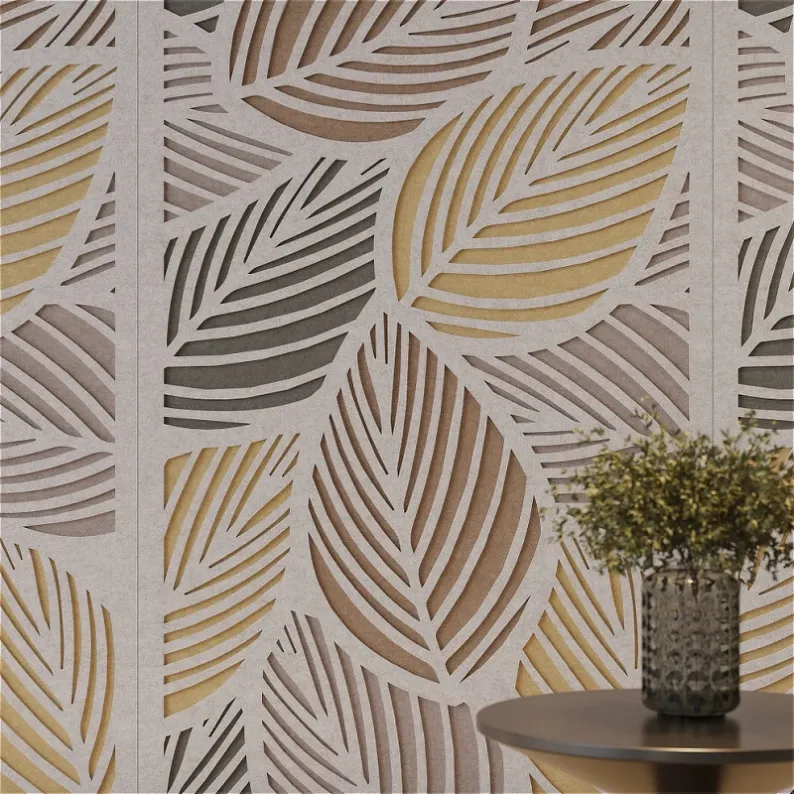
For example, one collection may use a simple rectangular screen, while another may use rounded corners, cut-out patterns or more decorative shapes.
The PET felt itself becomes part of the furniture design rather than simply being an added acoustic material.
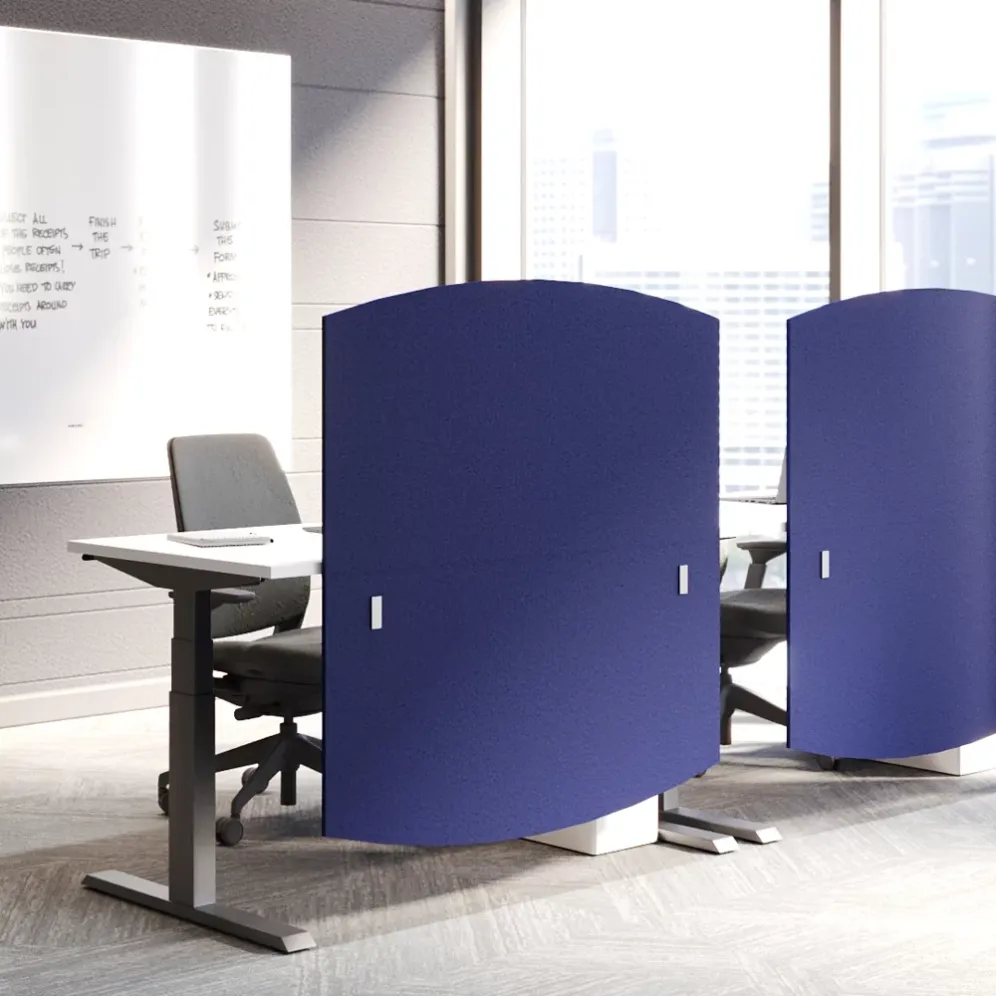
Workstation Divider
Workstation dividers are another practical application.
In a large open office, employees may be sitting relatively close to each other.
A divider can help create a clearer boundary between workstations while keeping the space visually open.
PET felt panels are suitable for this type of application because they are relatively easy to cut into customized shapes.
They can also be supplied in different colours, which gives furniture manufacturers more options when matching their existing product ranges.
For a furniture factory, colour consistency can be just as important as the material itself.
If you are producing hundreds of desk screens, changing the colour or thickness from one production batch to another can create problems for your own customers.
So it is worth discussing colour availability and production consistency with your PET felt supplier before starting a new furniture collection.
We suggest keeping a small buffer of the same batch if you are working on a large, multi-phase project, to ensure every workstation looks identical.
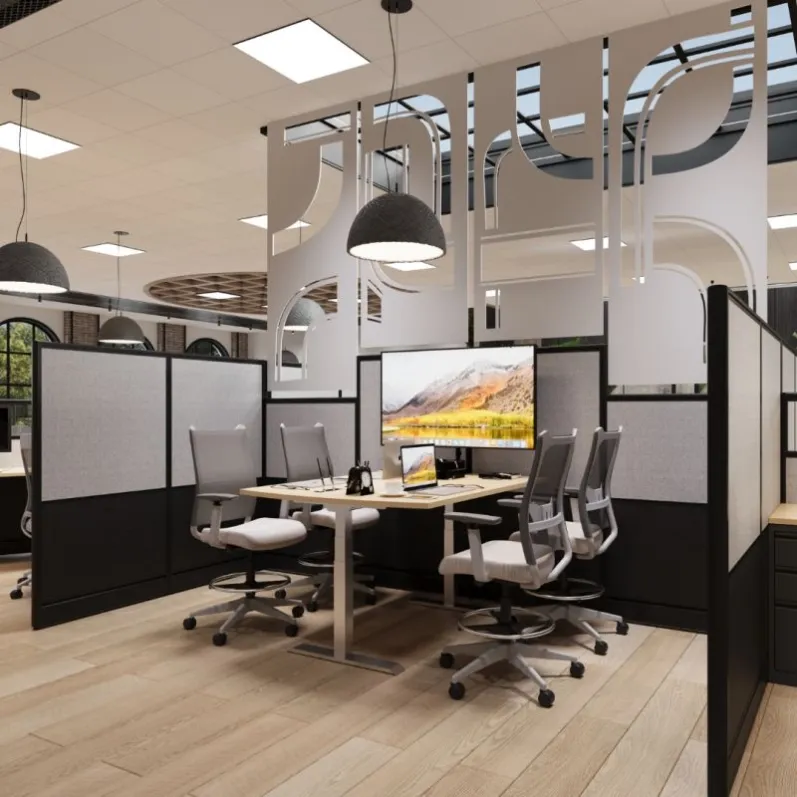
Cabinet Doors and Other Furniture Parts
PET felt does not have to be used only as a divider.
It can also be used as a visible component on office furniture, including some cabinet door designs.
For example, a furniture manufacturer may combine a rigid cabinet structure with a PET felt front or insert.
In this case, the PET felt needs to work with the rest of the furniture construction.
The thickness, hardness, size and cutting method all need to be considered.
If the parts will be CNC cut, the panel should also be suitable for the customer's actual processing method.
This is why we normally prefer to know what the customer is going to make before recommending a PET felt specification.
Thickness and GSM Matter
A desk screen may require a different thickness from a cabinet door insert.
A large workstation divider may have different requirements again.
For thicker furniture components or applications that require more body, thicker PET felt can also be considered.
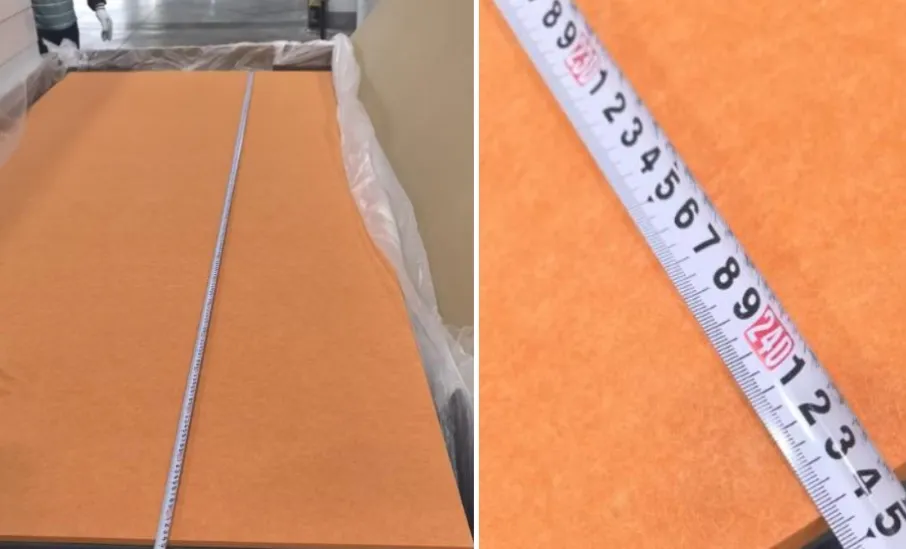
For example, our standard single-layer 24mm PET felt has a density of around 4300 GSM.
But I would not recommend choosing the material simply because the GSM is higher.
The right specification depends on the finished product, the required stiffness, the cutting method and how the component will be installed.
I have seen cases where a manufacturer chose a lower GSM to save costs, only to find the desk screens started to sag after a few months. That’s why we focus on the stiffness, not just the thickness.
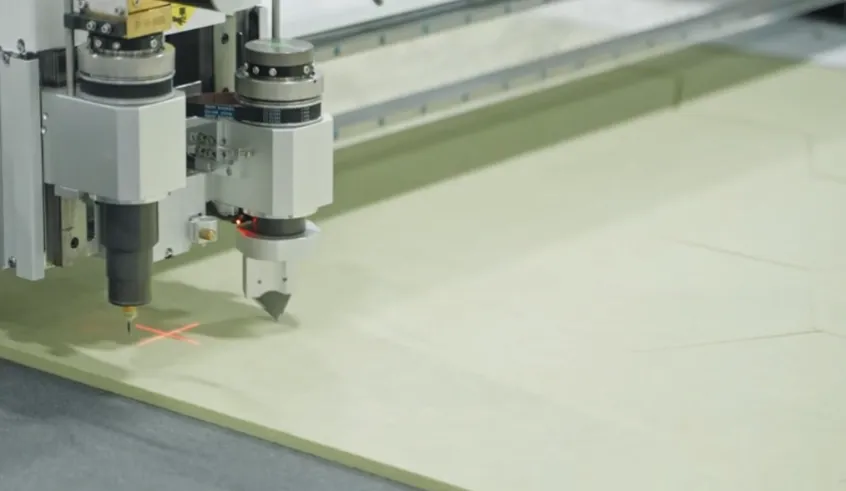
Think About Manufacturing, Not Only Appearance
A sample can look very good in a catalogue.
But a furniture manufacturer needs to think about what happens after the material arrives.
Can it be cut efficiently?
Does the panel keep its shape after cutting?
Is the thickness consistent?
Can the finished parts be handled easily?
Is the colour suitable for the furniture range?
Can the supplier provide the same specification for repeat orders?
These questions are more important when PET felt becomes part of a regular production line.
A small difference in material may not matter for one sample.
It can matter much more when you are producing hundreds of pieces every month.
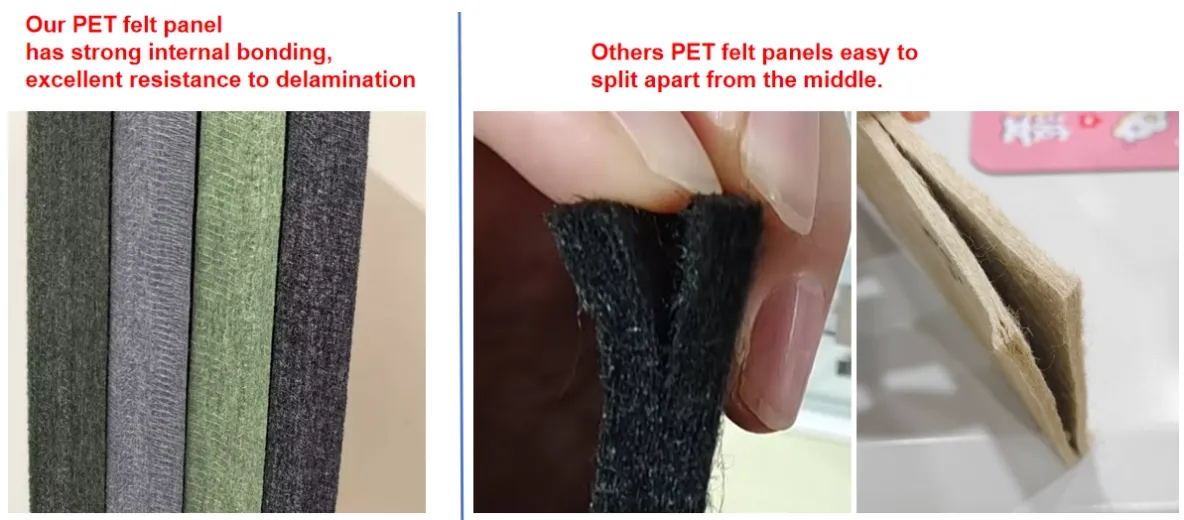
PET Felt Can Give Furniture Manufacturers More Flexibility
One advantage of buying PET felt panels as a raw material is the freedom to develop your own products.
You do not have to copy a standard desk screen from a supplier.
You can create your own dimensions, shapes and CNC patterns.
You can also combine PET felt with wood, metal, laminate or other furniture materials.
This gives office furniture manufacturers more freedom to develop acoustic products that match their existing collections.
But this flexibility also means that the material needs to be selected carefully.
The supplier needs to understand how the panel will be processed, not only what colour you want.
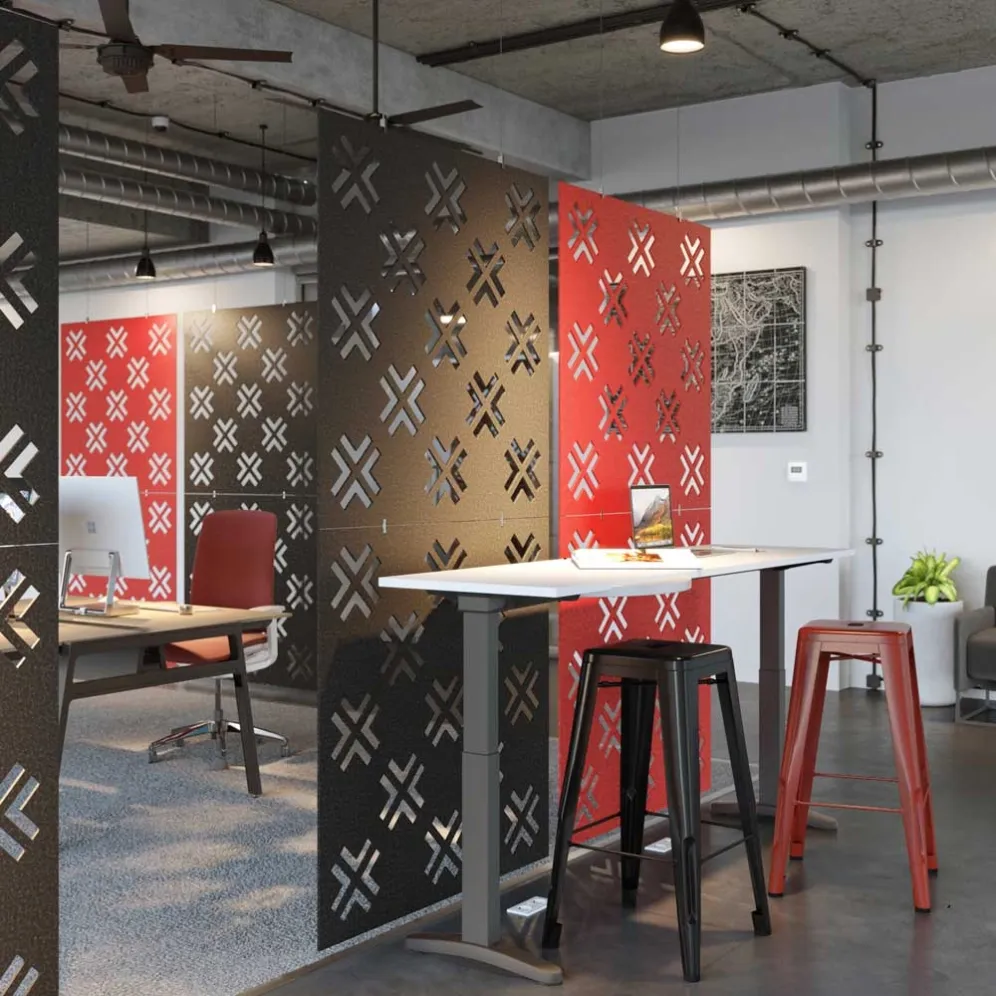
Choose the Material Before Finalizing the Design
If you are developing a new office furniture product, I recommend testing the PET felt before finalizing the design.
Start with a sample.
Try your normal cutting method.
Make a small prototype.
Check the thickness, hardness, colour and finished edges.
Then decide whether the material works for your production.
This is much safer than designing a large furniture collection first and only checking the material after the design is finished.
The PET felt panel is a relatively simple material, but it becomes an important part of the finished furniture once you start cutting and assembling it.
Looking for PET Felt for Your Office Furniture?
If you manufacture desk screens, workstation dividers, acoustic cabinets or other office furniture, we can discuss the PET felt as a raw material for your production.
Send us your required thickness, GSM, panel size, colour and application.
If you already have a drawing or CNC file, you can send that as well.
We can check the material specification with you and discuss which PET felt panel may be suitable for your production before you place a large order.
For us, the goal is not simply to sell you a sheet of PET felt.
It is to supply a material that makes sense for the product you are actually going to manufacture.
If you are developing a new acoustic office furniture product, feel free to send me the basic requirements. I would be happy to discuss the material with you first.
More related pages:
📩 Send us your project drawings or specifications, and we will respond with a clear quotation and production suggestion within 24 hours.
Email: info@hengmy.com