Oct 28, 2026Services Overview
Why More PET Felt Does Not Always Mean Better Container Loading
Learn why PET felt container loading depends on panel size, cartons, pallets, container dimensions and usable space—not just total volume.
Why More PET Felt Does Not Always Mean Better Container Loading
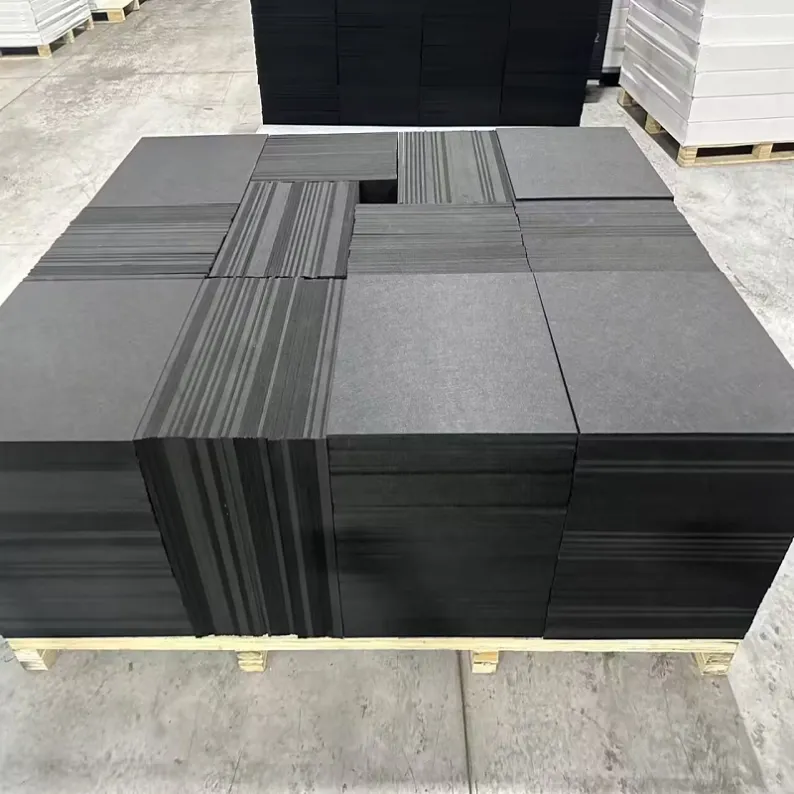
When ordering PET felt panels in large quantities, buyers often want to know how many sheets can fit into a 40HQ container.
It sounds like a simple calculation. But in practice, container loading is not just about dividing the container volume by the volume of one panel.
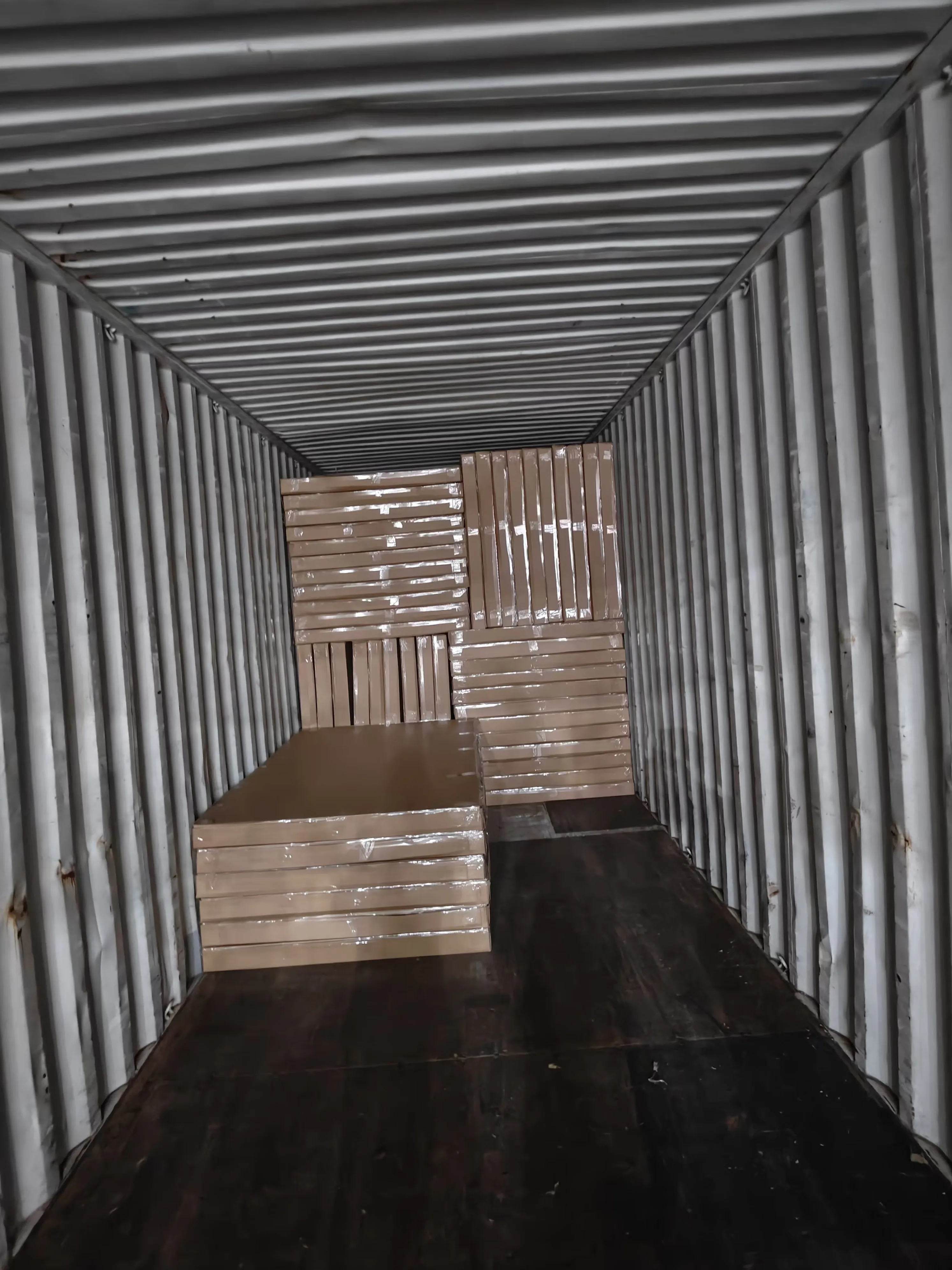
Panel dimensions, thickness, carton size, pallet height and loading direction all affect the result. Sometimes, a container may appear to have enough space for more panels, but the actual packing layout does not allow them to fit safely.
This is why the loading quantity should be calculated based on the complete packing arrangement, not just the product dimensions.
Panel Size Changes the Loading Plan
Consider these PET felt panel specifications:
- 1220 × 2440 mm
- 1220 × 3200 mm
For the 1220 × 2440 mm panels there are different thickness available, such as 9mm, 12mm, 15mm, same length and width, but different thicknesses. This affects the total stack height and the number of sheets that can be packed together.
The 1220 × 3200 mm panel is longer. Even for 12mm thick, its length can make the loading layout more difficult.
A longer panel does not necessarily mean that the container will be used more efficiently. The result depends on how the panels are packed and arranged inside the container.
Cartons and Pallets Take Up Space
The panel itself is only one part of the calculation.
If the panels are packed in cartons, the carton dimensions determine the actual package size. If pallets are required, their height and footprint must also be included.
For example, a stack of panels may fit within the container's internal height when packed without pallets. Adding pallets changes the total height and may reduce the number of packages that can be loaded.
The same applies to carton dimensions. If the packaging is wider or longer than the panels, the extra space needs to be included in the calculation.
This is why it is useful to confirm the packing method before estimating the final loading quantity.
Why Remaining Space Is Not Always Usable
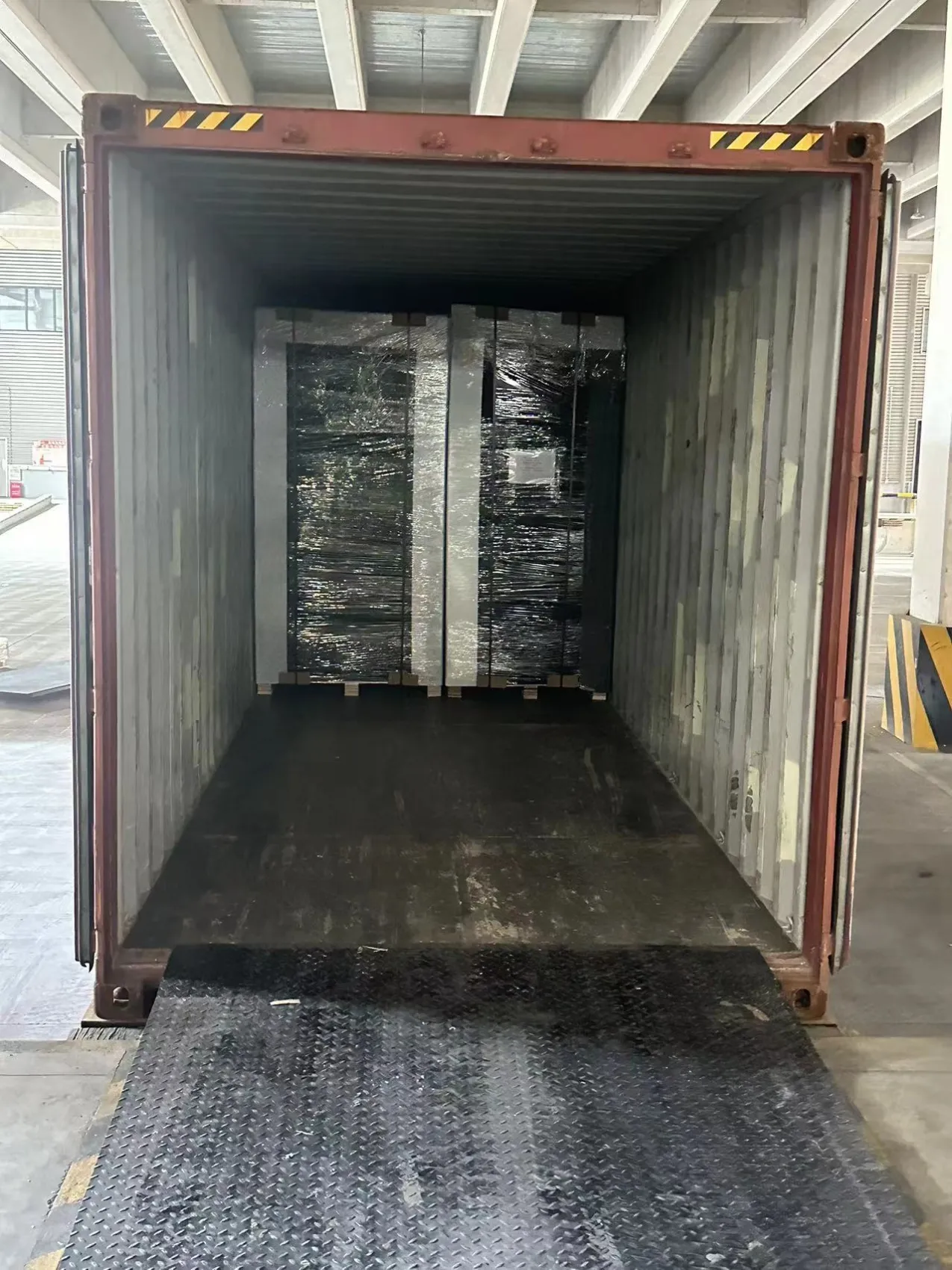
After the main packages are arranged, there may still be empty space inside the container.
The question is whether that space can actually accommodate another package.
A remaining gap may be too narrow, too short or too low for the next carton. The loading direction may also prevent another package from being placed there properly.
Loading safety matters too. Packages need to be arranged and secured appropriately for transportation. Filling every available gap is not the goal if doing so makes the cargo unstable or difficult to unload.
In other words, empty space does not automatically mean usable loading space.
Why a Theoretical Calculation Is Not Enough
A basic volume calculation can give an initial estimate, but it cannot confirm the actual loading quantity.
A practical loading plan needs to consider:
- The container's internal dimensions and door opening
- Panel and package dimensions
- The number of sheets per carton or stack
- Pallet dimensions and height, if used
- Loading direction and package arrangement
- Remaining space and cargo stability
For 1220 × 3200mm panels, the longer length deserves particular attention. The loading plan needs to be checked against the container dimensions and the actual package arrangement rather than estimated from square metres alone.
The final quantity should be confirmed using the real packing dimensions and a workable loading plan.
What Should Buyers Confirm Before Ordering?
If container loading affects your landed cost, discuss it before production and packing begin.
Provide the panel size, thickness, quantity and any carton or pallet requirements. If you have a specific unloading or warehouse handling requirement, mention that as well.
Then ask for an estimated loading quantity based on the proposed packing method.
This gives both sides a clearer basis for planning. It also helps avoid comparing quotations that assume different packaging arrangements.
A lower price per sheet does not always mean a lower overall cost if the loading quantity or packaging requirements differ.
Plan Your PET Felt Shipment Before Production
For large PET felt orders, container loading should be considered together with the product specification and packaging method.
If you are planning a shipment and want to estimate how many panels can fit into a 40HQ container, send us your panel dimensions, thickness, quantity and preferred packing method.
We can review the loading requirements and work out a more realistic estimate based on the actual package dimensions.
The goal is not simply to load more panels. It is to make good use of container space while keeping the cargo properly packed and safe for transportation.
More related pages:
Contact us to discuss your PET felt project and take the next step from design to sample.
📩 Send us your project drawings or specifications, and we will respond with a clear quotation and production suggestion within 24 hours.
Email: info@hengmy.com