Oct 2, 2026Services Overview
Why PET Felt Needs a CNC Test Before Production
A PET felt sample may look perfect by hand. But CNC cutting can show problems that are not visible before processing. Here is what to test before placing a bulk order.
Why PET Felt Needs a CNC Test Before Production
A PET felt sample can look perfectly fine when you receive it.
The colour is right.
The thickness looks right.
The surface feels good.
So you may think the material is ready for production.
But if the PET felt will be used for CNC cutting, there is one more step I would not skip:
Test the material with the actual cutting process before bulk production.
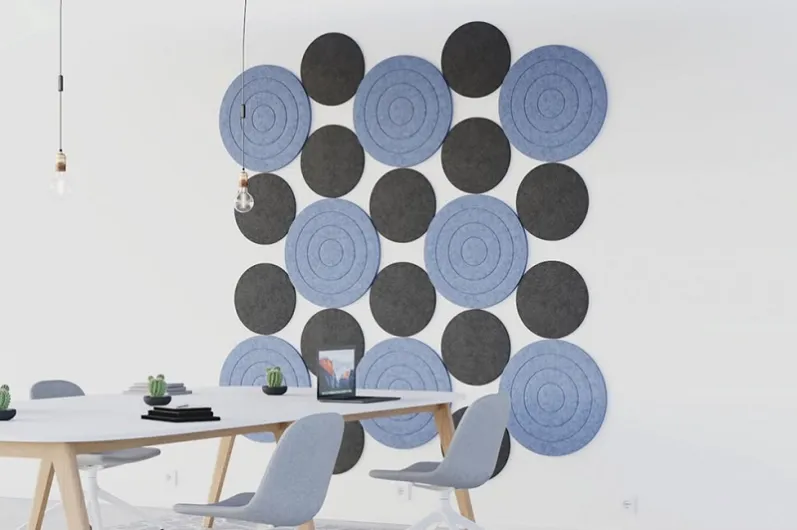
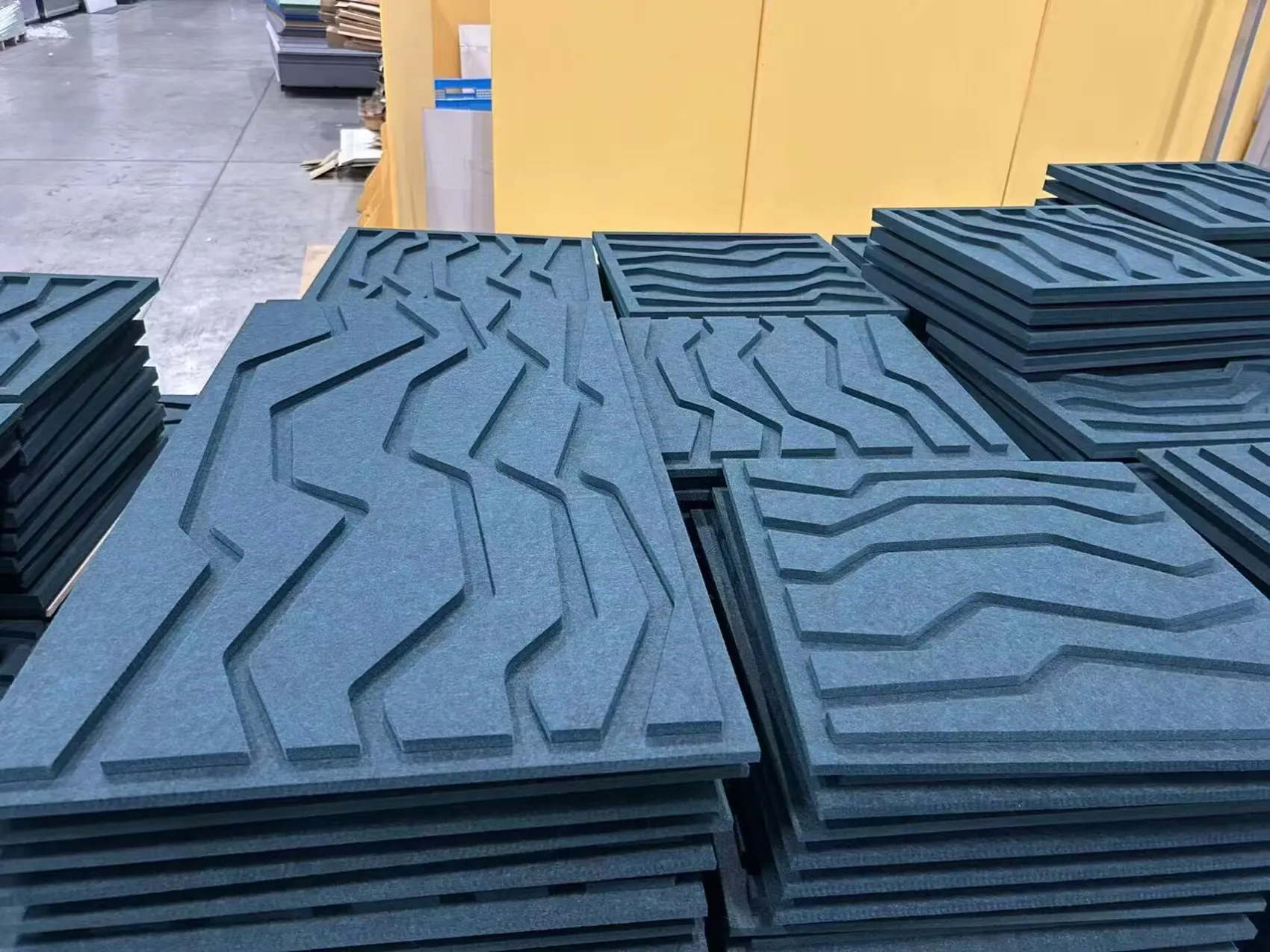
This is especially important for custom acoustic panels, furniture components, partitions and other products that require detailed CNC processing.
A Sample Sheet Does Not Show Everything
When buyers check a PET felt sample, they usually look at colour, thickness, surface and overall appearance.
These checks are necessary.
But CNC processing tests something different.
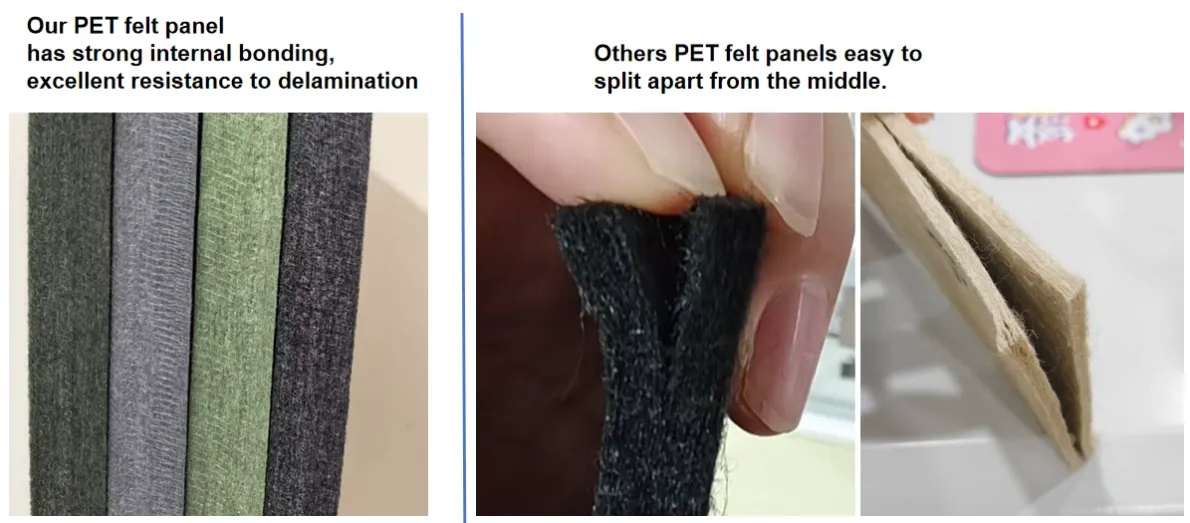
The cutting tool is working through the full thickness of the felt. The material needs to hold its structure while being cut into holes, slots, curves, corners or other detailed shapes.
A sheet can look good before cutting and still behave differently during processing.
This is why I would not use a visual sample inspection as the only approval for a CNC project.
What Should You Test?
You do not always need a complicated testing process.
A small piece of the actual PET felt can already tell you a lot.
If possible, use the same or a similar design to your final product.
Check the following:
1. Cutting edge
Look at the edge after cutting.
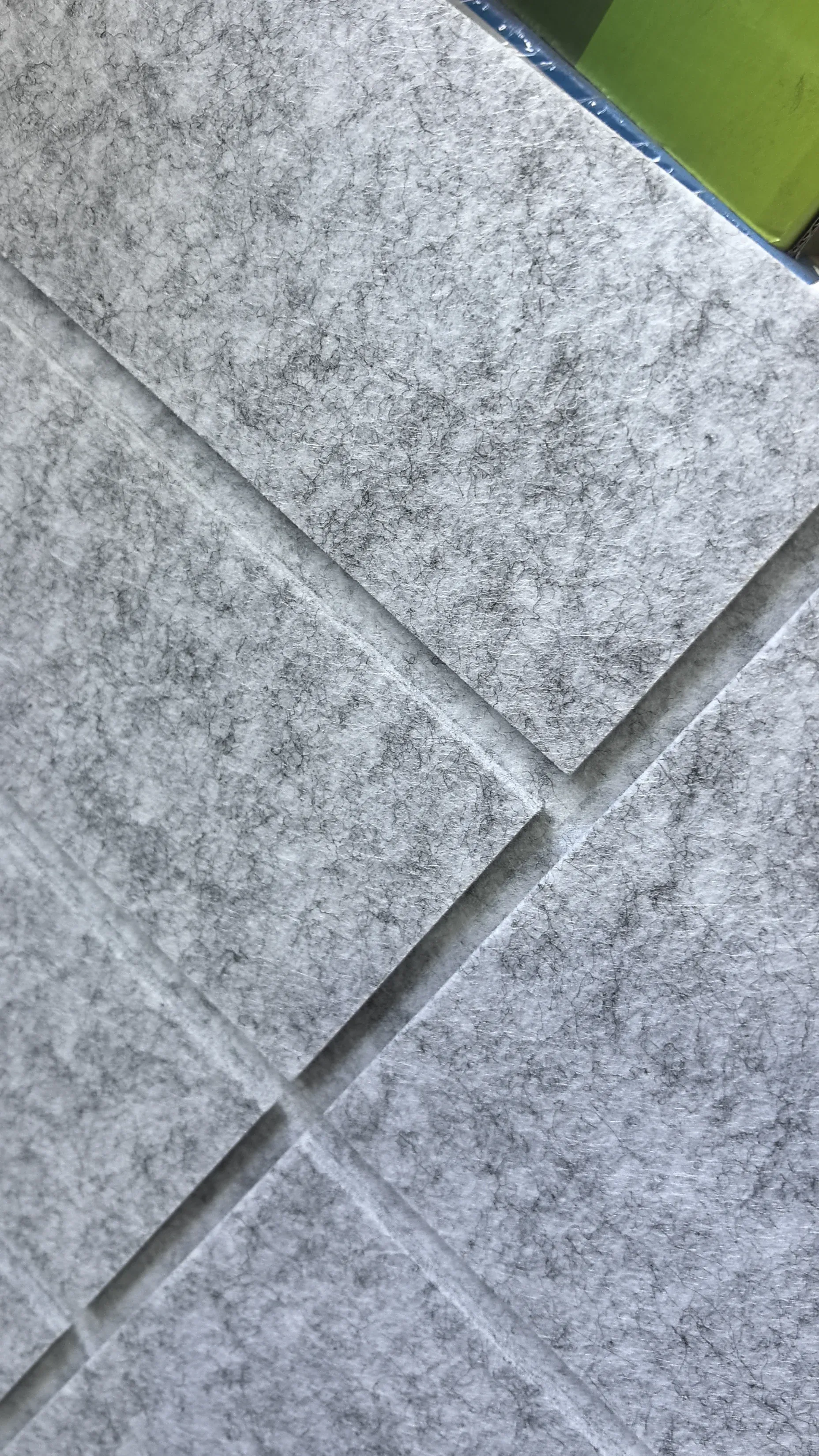
Is it clean and stable, or are there too many loose fibres and rough areas?
2. Small details
Large straight cuts are usually easier.
If your final design includes small holes, narrow slots, sharp corners or detailed patterns, test these parts as well.
3. V-grooves or deep cutting
If the product requires V-grooving, partial cutting or deeper CNC processing, test this separately.
A simple through-cut does not always represent the real production condition.
4. Finished dimensions
After cutting, check whether the pieces keep the required dimensions.
This is particularly important when several pieces need to fit together during assembly.
Why Use the Actual Production Material?
One common mistake is to approve a sample from one material and then assume another material with the same specification will behave exactly the same.
For example, two PET felt panels may both be described as 12mm and 2400gsm.
This does not mean that every difference will cause a problem.
It simply means that the safest way to evaluate a CNC material is to process the material you are actually planning to purchase.
The same principle applies when changing suppliers.
If your existing PET felt cuts well, a new material should not be judged only by whether the specification sheet looks similar.
It should also be tested on your production process.
Do You Need to Test Every Design?
Not necessarily.
For a regular production design that you have already tested and produced successfully, there may be no need to repeat a complete test every time.
But I would recommend testing when something important changes, such as:
- a new PET felt supplier
- a different thickness or GSM
- a new material construction
- a new CNC design
- deeper grooves or more complicated details
- a new production process
A small test before a large order is usually much easier than discovering a processing problem after hundreds of sheets have arrived.
The CNC Machine Is Only One Part of the Process
It is easy to think about CNC performance as a machine issue.
Of course, the machine, cutting tool, feed rate and settings all matter.
But the material is also part of the cutting system.
If the PET felt changes, the cutting result may change too.
This is why a good material test should not try to prove that the PET felt is “perfect”.
The real question is simpler:
Does this PET felt work reliably with your production process?
That is a much more useful question before placing a bulk order.
A Practical Step Before Your Next PET Felt Order
If you are buying PET felt as a raw material for CNC acoustic panels, I suggest sending the supplier your basic requirements before asking only for a price.
Tell them:
- required thickness
- GSM or density
- sheet size
- estimated quantity
- final application
- CNC processing method
- and, if possible, a drawing or photo of the cutting design
Then the material can be evaluated based on the actual application.
A sample that looks good on a desk is not necessarily enough.
A sample that has been processed successfully on your CNC machine gives you much more useful information.
Before committing to a large PET felt order, test the material the way you will actually use it.
If you are planning a CNC-cut PET acoustic panel project, send us your required thickness, sheet size, quantity and cutting application. We can check the PET felt specification with you and arrange a suitable sample for testing before bulk production.
More related pages:
📩 Send us your project drawings or specifications, and we will respond with a clear quotation and production suggestion within 24 hours.
Email: info@hengmy.com