Oct 5, 2026Services Overview
Why PET Felt CNC Cutting Needs a Test Before Mass Production
A CNC cutting test can reveal problems with small holes, narrow grooves, corners, internal cuts and edge quality before a PET felt project enters mass production.
Why PET Felt CNC Cutting Needs a Test Before Mass Production
When a customer has a new PET felt design, one of the first questions is often:
“Can you produce this?”
In many cases, the answer may be yes.
But for CNC cutting, I would still recommend testing the design with the actual PET felt before moving directly to mass production.
The reason is simple: a design can look perfect on a drawing, but the result also depends on how the material behaves during cutting.
A small test can help find these issues before they become a batch problem.
Small Details Can Be More Difficult Than They Look
Large and simple shapes are usually easier to cut.
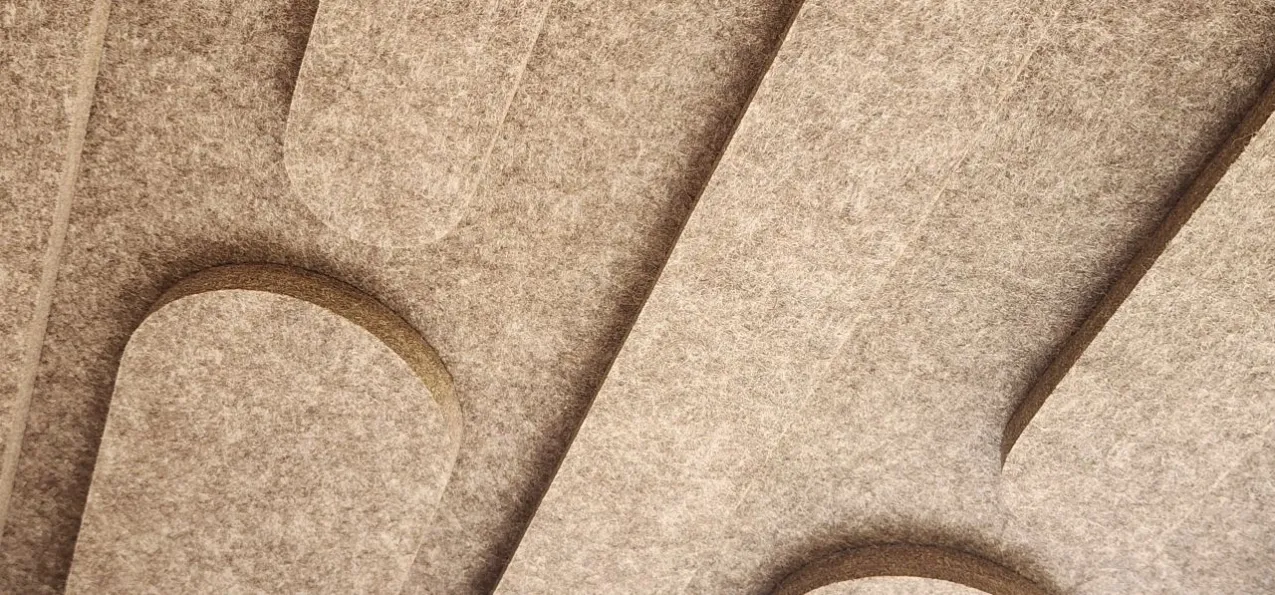
The situation can be different when a design includes very small holes, narrow grooves, sharp corners or complicated internal cuts.
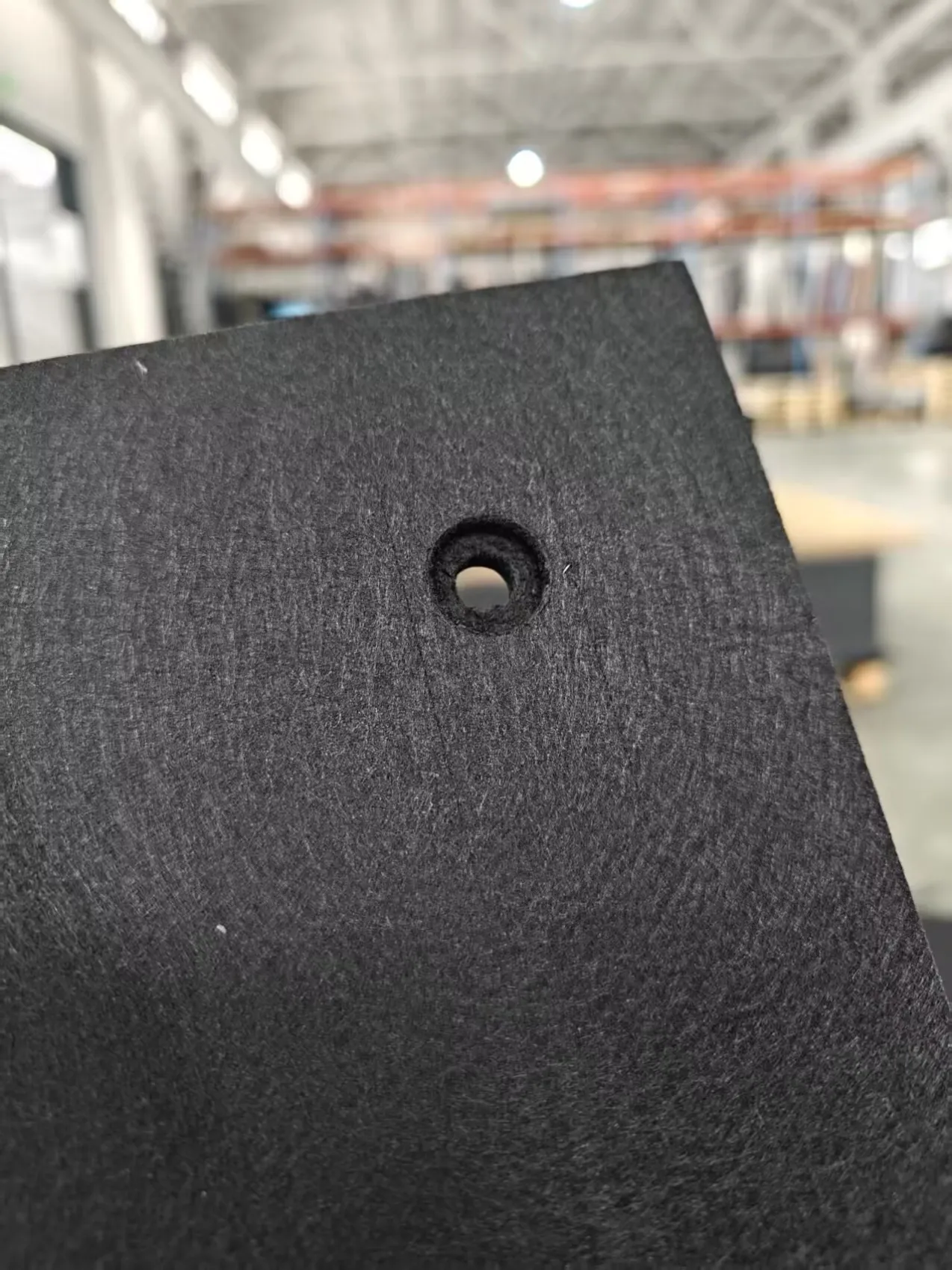
For example, a narrow opening may look fine in a drawing, but the actual felt needs to hold its shape during cutting.
The same applies to small corners or internal details. The smaller the feature, the more important it becomes to check the actual cutting result.
This does not mean that these designs cannot be produced.
It means that testing first gives both the customer and the manufacturer a better understanding of what works with the selected material and cutting process.
Edge Quality Should Be Checked
Another reason for testing is the cut edge.
Customers may expect a very clean edge because the edge will remain visible in the final product.
However, the cutting result can be affected by the PET felt itself, including its thickness, density, hardness and fibre bonding.
The same CNC machine and cutting design do not always guarantee exactly the same result when the material specification changes.
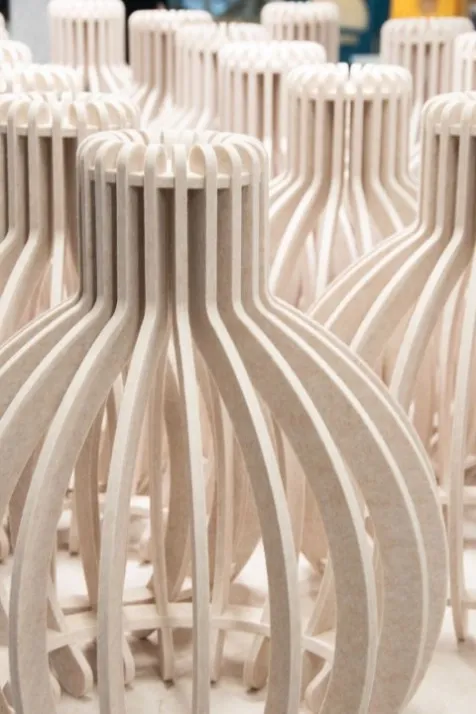
This is especially important for projects using thicker PET felt or designs with many detailed cuts.
A test piece gives the customer an opportunity to look at the actual edge before approving a larger quantity.
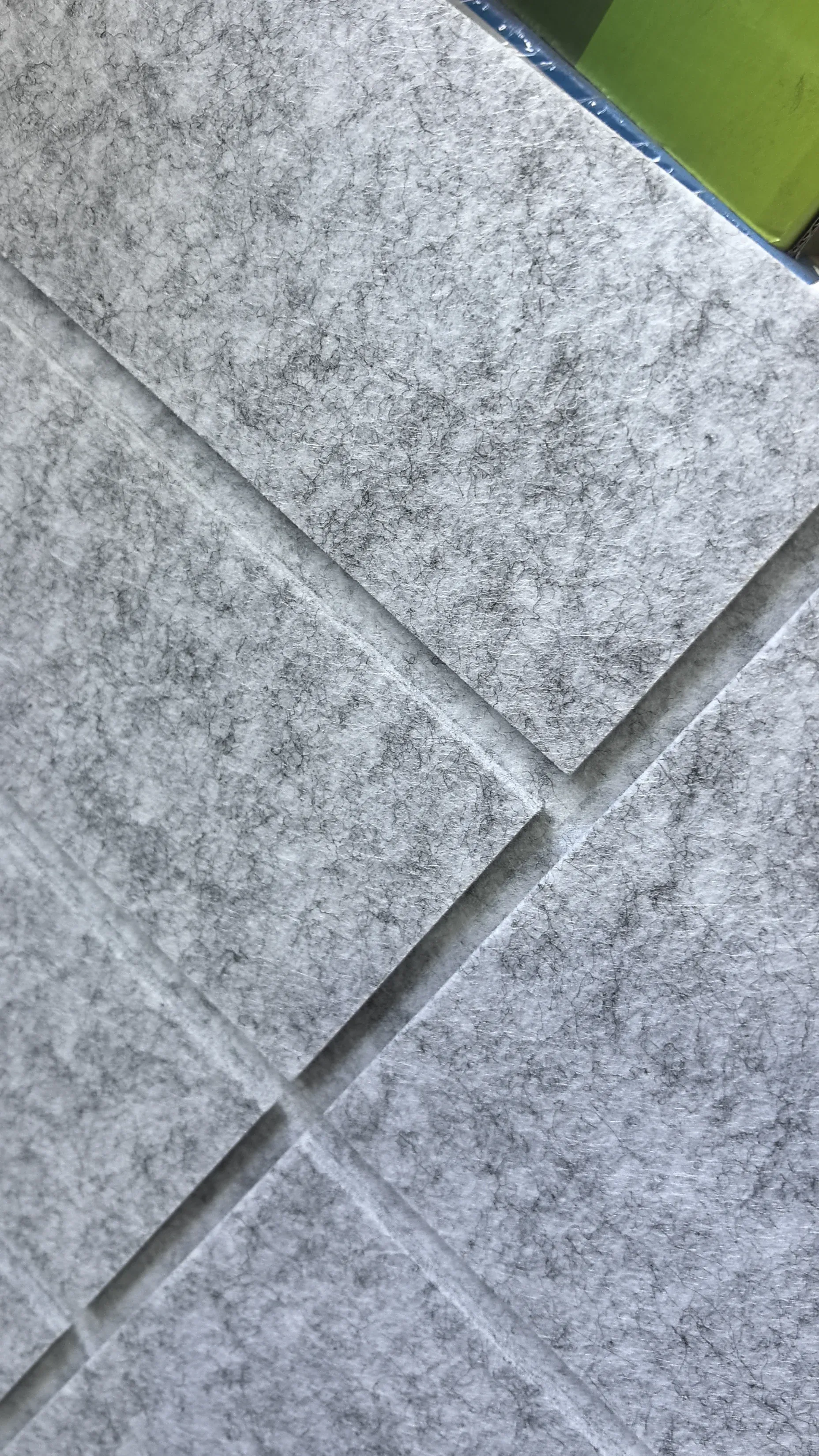
Material Movement Also Matters
PET felt is a flexible fibrous material rather than a rigid plastic sheet or metal plate.
During CNC cutting, the material needs to stay in the correct position while the cutting tool moves through it.
For some designs, especially those with many internal cuts or narrow sections, material movement can affect the final result.
This is another reason why a test is useful.
Instead of only checking whether the machine can follow the drawing, the test allows us to see how the actual PET felt behaves during the cutting process.
Surface Fuzz Can Be Easier to Notice on Detailed Designs
PET felt has a fibrous structure, so the cut surface may show some fibre fuzz depending on the material and cutting conditions.
This may not be important for a simple large shape.
But when a design contains many small openings or detailed edges, it can become more noticeable.
A sample allows the customer to decide whether the edge appearance is acceptable for the final application before a larger production run.
That is much easier than discovering the issue after hundreds of pieces have already been cut.
Thickness Consistency Is Also Worth Checking
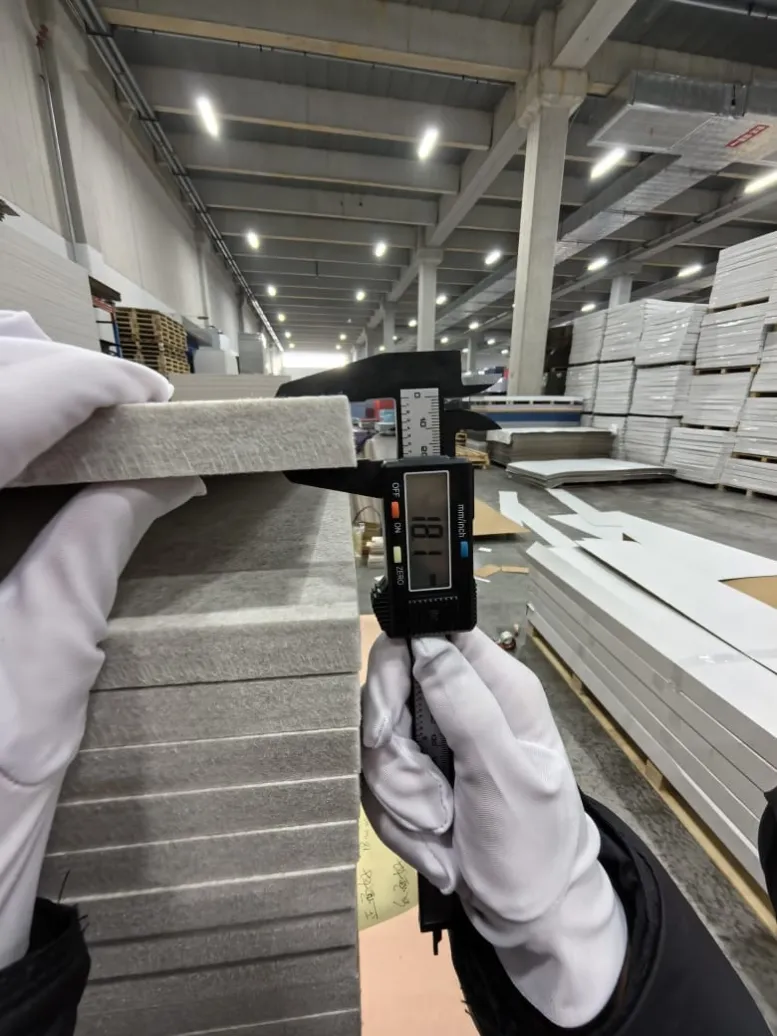
For CNC projects, thickness is not only a specification on the purchase order.
It can also affect how the material is processed.
If a project requires precise grooves, internal cuts or detailed patterns, the actual material should be tested rather than assuming that the drawing alone tells the whole story.
This is particularly useful when the design has tight dimensions or when the customer already has a specific CNC process in mind.
A CNC Sample Is More Than a Design Sample
This is probably the most important point.
For a normal PET felt sample, the customer may mainly want to check:
- colour
- thickness
- surface
- general material quality
For a CNC project, the sample has another purpose.
It is also a production test.
It can help answer practical questions:
Can the small holes be cut as expected?
Are the narrow grooves suitable?
Do the corners look clean enough?
How do the internal cuts perform?
Is the edge quality acceptable?
Does the material stay stable during cutting?
These are questions that cannot always be answered by looking at a drawing or product specification.
Testing Before Mass Production Can Save More Than Time
A CNC design may require many sheets of PET felt.
If a problem is found only after mass production starts, changing the design or cutting method can become much more difficult.
A small test is much easier to adjust.
Sometimes the solution may be a small design change. Sometimes the cutting parameters need to be adjusted. In other cases, the material specification itself may need to be reviewed.
The earlier these questions are identified, the easier it is to make a practical decision.
For this reason, I do not see a CNC sample as an extra step.
For CNC projects, a sample is not only for checking the colour. It is also a production test.
If you have a PET felt design that will be processed by CNC, you can send us the drawing together with the required thickness and specification. We can review the design and discuss whether a cutting test would be useful before mass production.
More related pages:
📩 Send us your project drawings or specifications, and we will respond with a clear quotation and production suggestion within 24 hours.
Email: info@hengmy.com