Jun 26, 2026News & Insights
Why Hot Pressing Before Printing Helps Create Cleaner PET Felt Printing Results
This article explains how hot pressing affects PET felt printing quality, what trade-offs buyers should understand, and why surface preparation is important before mass production.
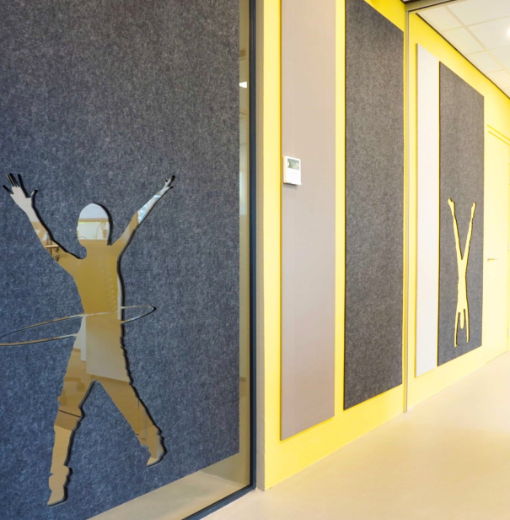
Why Hot Pressing Before Printing Helps Create Cleaner PET Felt Printing Results
Introduction
In PET felt printing projects, many people focus mainly on the printing stage itself.
But in real production, preparation before printing is equally important.
One process we often discuss with customers is hot pressing before printing.
This step may not be obvious in the final product, but it can strongly influence:
- color consistency
- graphic sharpness
- surface cleanliness
- printing stability
Especially in decorative acoustic panel projects.
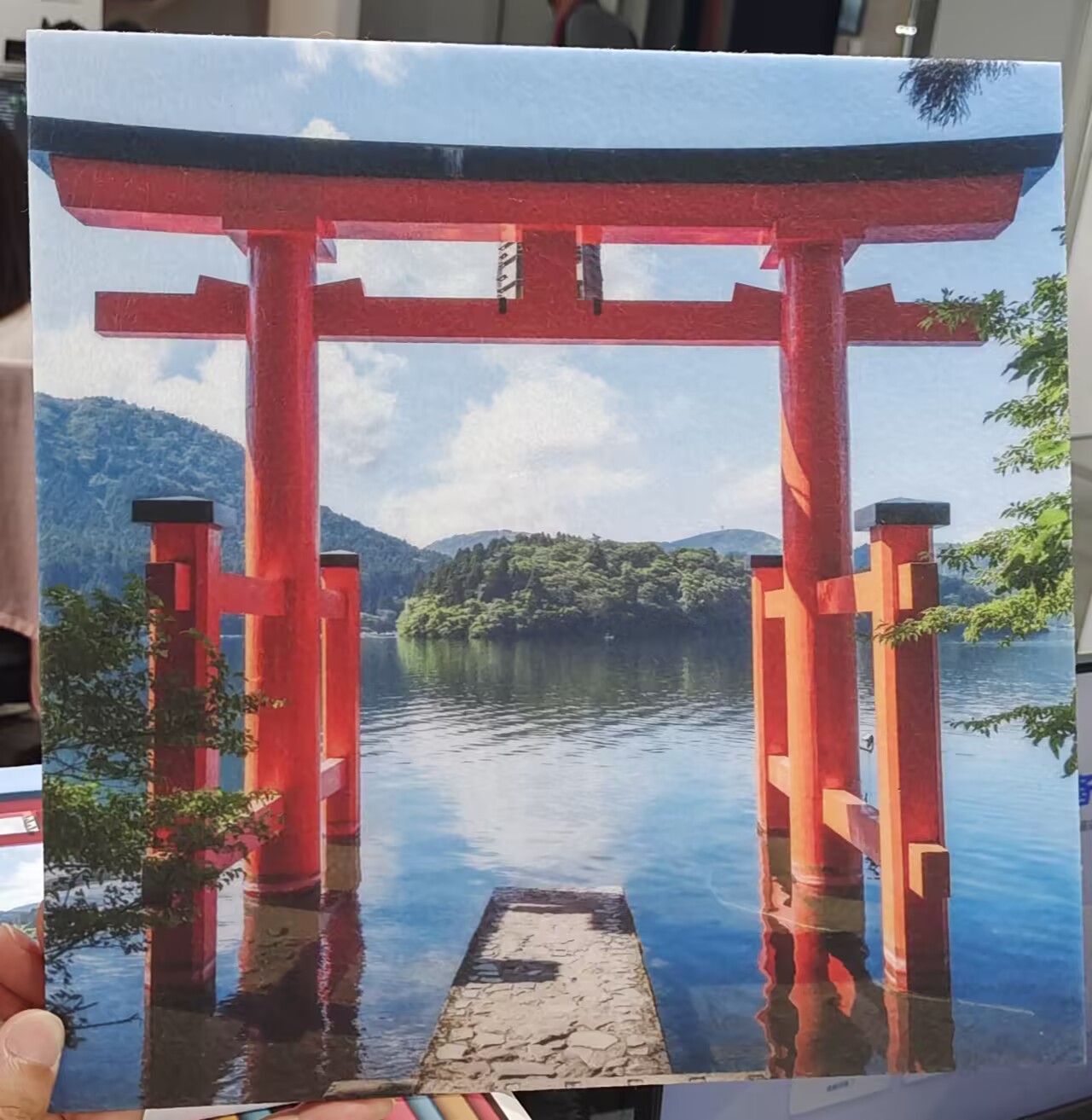
What Happens on Standard PET Felt Surfaces
PET felt panels are fiber-based materials.
Depending on production method, the surface may contain:
- loose fibers
- uneven texture
- visible surface hair
For normal acoustic applications, this is usually acceptable.
But during digital printing, these surface conditions may affect:
- ink absorption
- edge sharpness
- graphic clarity
- overall visual consistency
White ink usually makes these issues even more visible.
Why Hot Pressing Is Used Before Printing
Hot pressing helps create:
- flatter surfaces
- more compact texture
- reduced loose fibers
As a result, the panel surface becomes more stable for printing applications.This usually helps improve:
- printing consistency
- image clarity
- color uniformity
- graphic sharpness
Especially for:
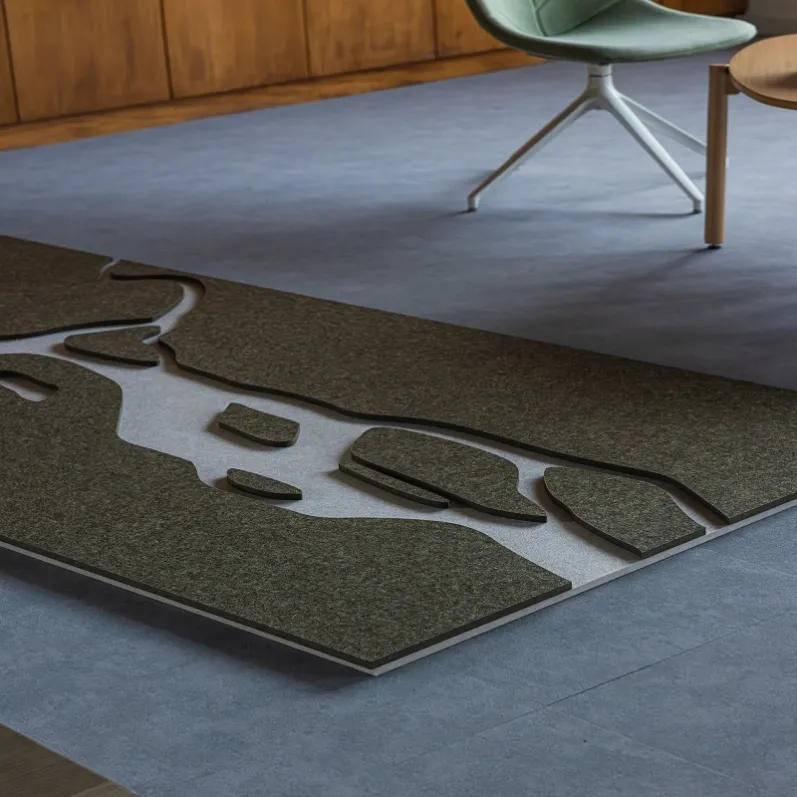
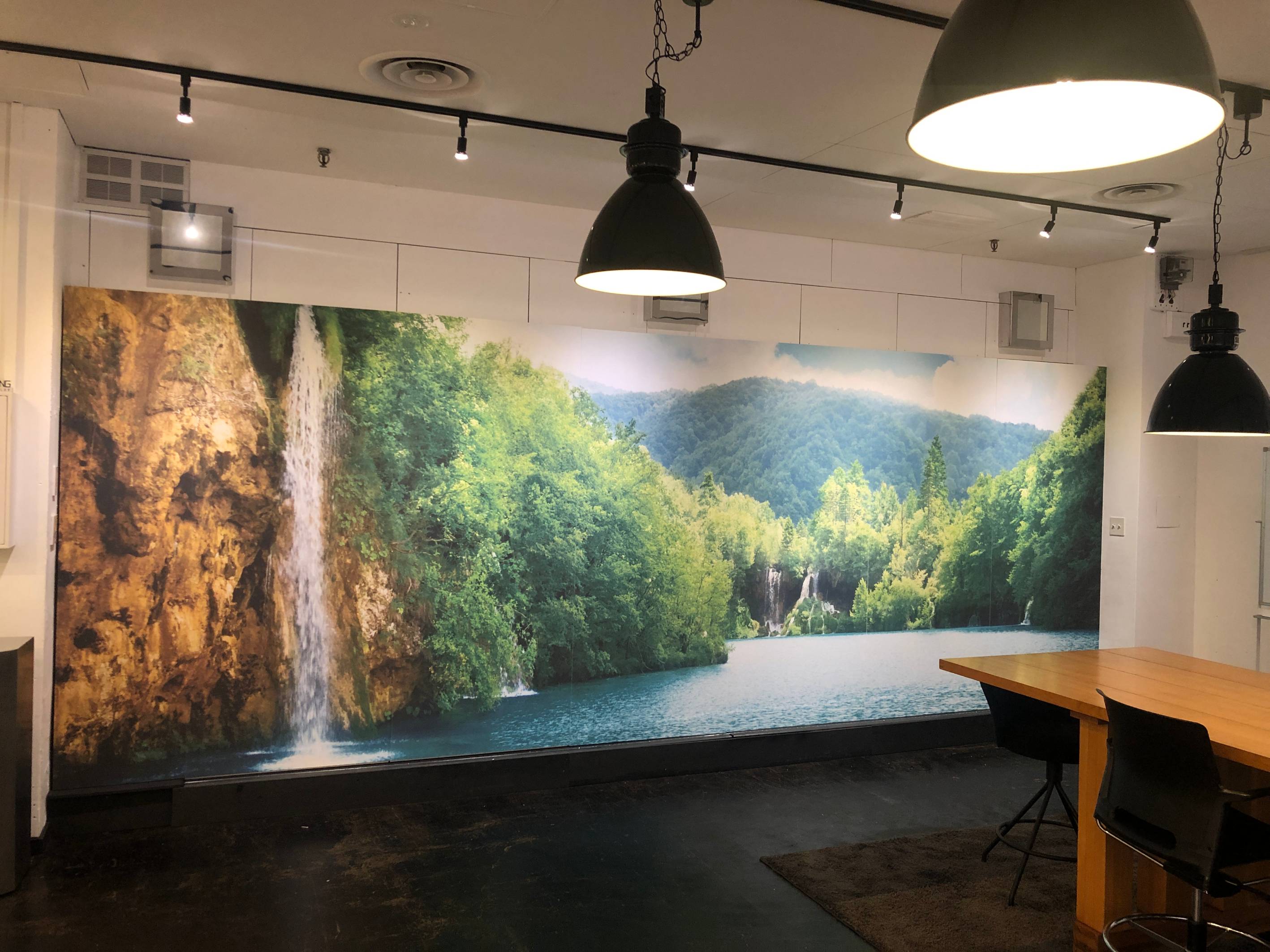
- branding walls
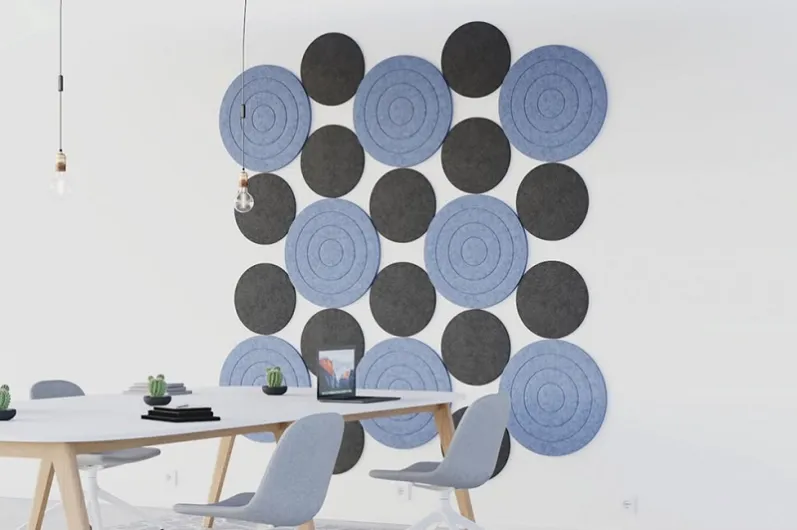
- decorative acoustic panels
- commercial interiors
- high-resolution visual graphics
Common Misunderstanding in Printing Projects
Some buyers assume:better printer = better result.
But in real projects, printing quality is usually influenced by multiple factors together:
- material surface
- fiber structure
- density stability
- operator experience
- machine settings
Even advanced printing equipment cannot fully compensate for unstable panel surfaces.
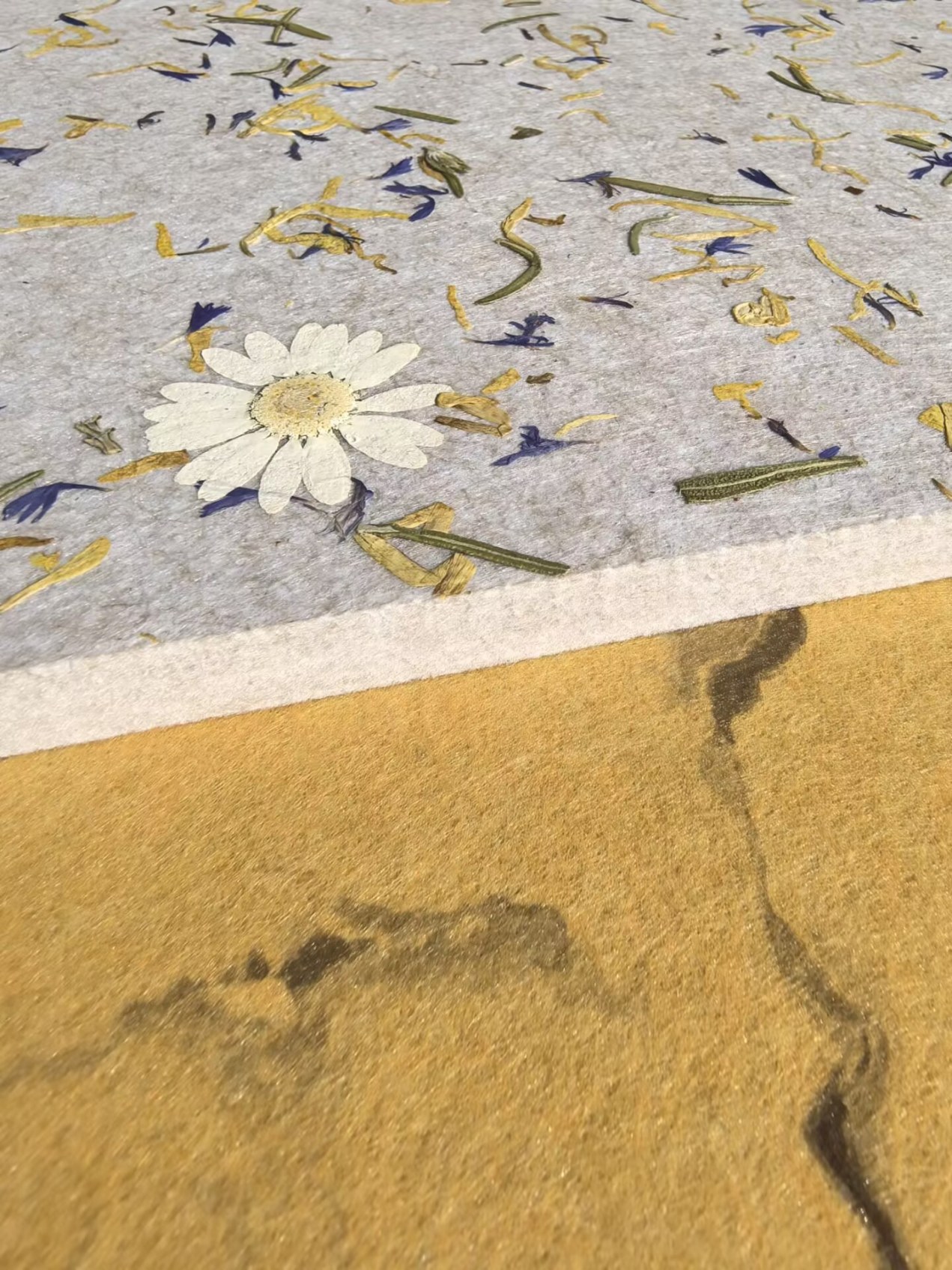
Hot Pressed Surface vs Natural Felt Appearance
There is also an important trade-off.
Some customers prefer hot-pressed PET felt because:
- the surface looks cleaner
- colors appear brighter
- graphics look sharper
Others prefer softer felt texture because:
- it feels warmer
- it looks more natural
- it keeps stronger textile character
So in many projects, the goal is not simply “highest resolution”.
The real goal is choosing the right balance between:
- printing precision
- material feeling
- acoustic appearance
- design atmosphere
Buyer Guide: When Hot Pressing Is More Suitable
Hot pressing is usually more suitable for projects requiring:
- detailed graphics
- white ink printing
- logo walls
- commercial branding applications
- repeated visual consistency
Meanwhile, projects focused more on soft textile feeling may not always require stronger surface compression.
Risk Reduction Before Mass Production
One common risk in decorative acoustic projects is discovering printing inconsistency too late.
For example:
- after artwork approval
- after material preparation
- during large production runs
At that stage, adjustments become much more difficult.
This is why we usually recommend:
- evaluating physical samples
- checking surface effect early
- discussing texture expectations before production
Especially for customized projects.
Final Thoughts
Hot pressing before printing is not simply an additional process.
It is part of controlling printing stability.
Especially in PET felt printing projects requiring:
- cleaner graphics
- higher visual consistency
- sharper details
In many cases, cleaner printing starts before the printing process itself begins.
If you are evaluating PET felt panels for printed acoustic projects, we can help review surface requirements and suggest suitable material structure based on your printing expectations and application scenario.
More related pages:
Email: info@hengmy.com Will respond in 24 hours.