Aug 31, 2026Services Overview
Choosing a Second PET Felt Supplier: 8 Things to Check
Already have a PET felt supplier? Before adding a second source, check quality consistency, colours, certifications, packaging, samples, MOQ and communication.

What Should Importers Check When Choosing a Second PET Felt Supplier?
If you already have a PET felt supplier that you work with regularly, why would you need another one?
This is a question many importers and distributors ask.
Sometimes the reason is simple. You want to compare prices. Sometimes your current supplier cannot provide a special size or colour. Sometimes production capacity becomes a problem.
And sometimes, you simply do not want your whole business to depend on one supplier.
Having a second PET felt supplier can be useful, but finding one is not only about getting another quotation.
The more important question is:
Can this supplier give you stable quality and make your business easier, not more difficult?
Here are some practical points I would check before starting.
1. Do Not Compare Price First
Price is important, especially for distributors.
But when comparing a second supplier, I would first compare the same specification.
Check:
- thickness
- GSM
- panel size
- colour
- fire rating
- packaging
- quantity
- shipping terms
For example, a lower price for a 12mm panel does not tell you much if the GSM, size or packaging is different.
It is better to ask both suppliers to quote the same specification.
Then you can make a more useful comparison.
2. Check Quality Consistency, Not Just One Good Sample
A sample can look very good.
But if you plan to buy regularly, one good sample is not enough.
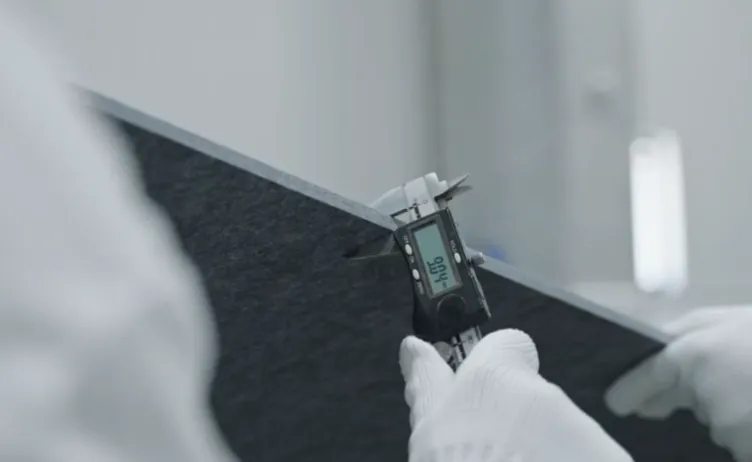
For PET felt panels, I would pay attention to thickness, GSM, dimensions, surface appearance and colour consistency.
This is especially important if you sell many colours.
Your customer may order the same colour again several months later. If the colour is noticeably different from the previous batch, you may have a problem even though the new panels technically meet the specification.
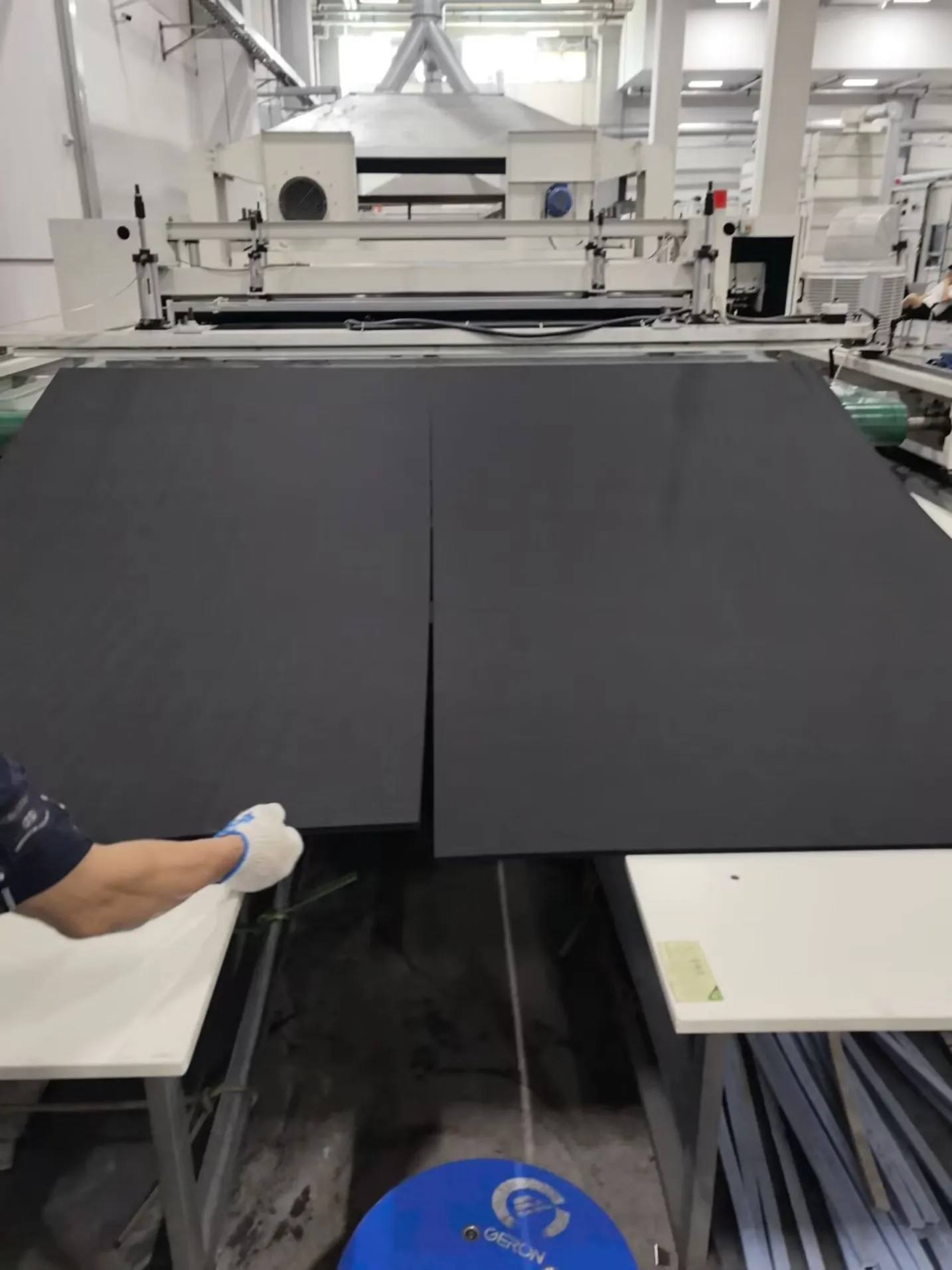
This is why I think a supplier should be able to explain how they control quality during production and before shipment.
3. Ask About Colour Consistency
For many PET felt distributors, colour is not a small detail.
It is part of the product.
If you keep 30, 40 or more colours in your range, you need a supplier who can manage colours consistently between orders.
Ask your supplier:
How do you control colour between different production batches?
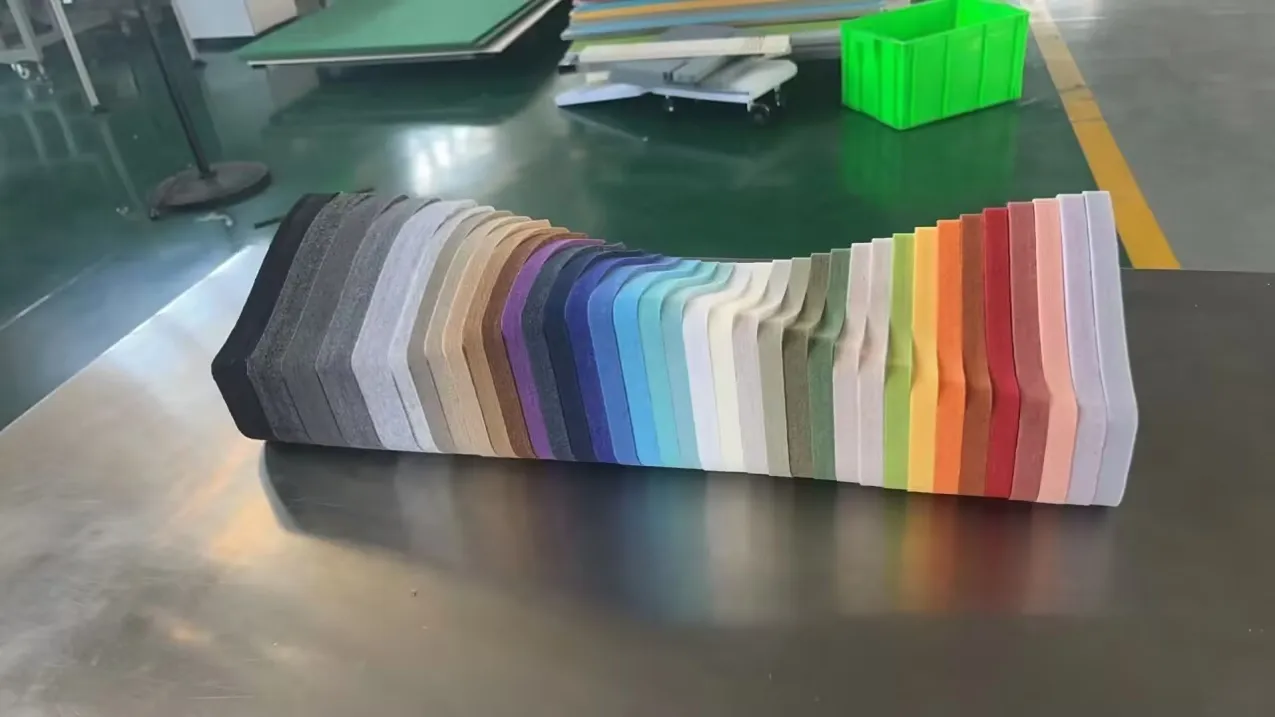
Also ask whether they can keep the same colour series for future orders.
A colour chart is useful, but for long-term cooperation, the real test is what happens when you reorder six months later.
4. Check the Material for Your Actual Processing
If you sell PET felt only as a finished decorative product, you may look mainly at appearance and installation.
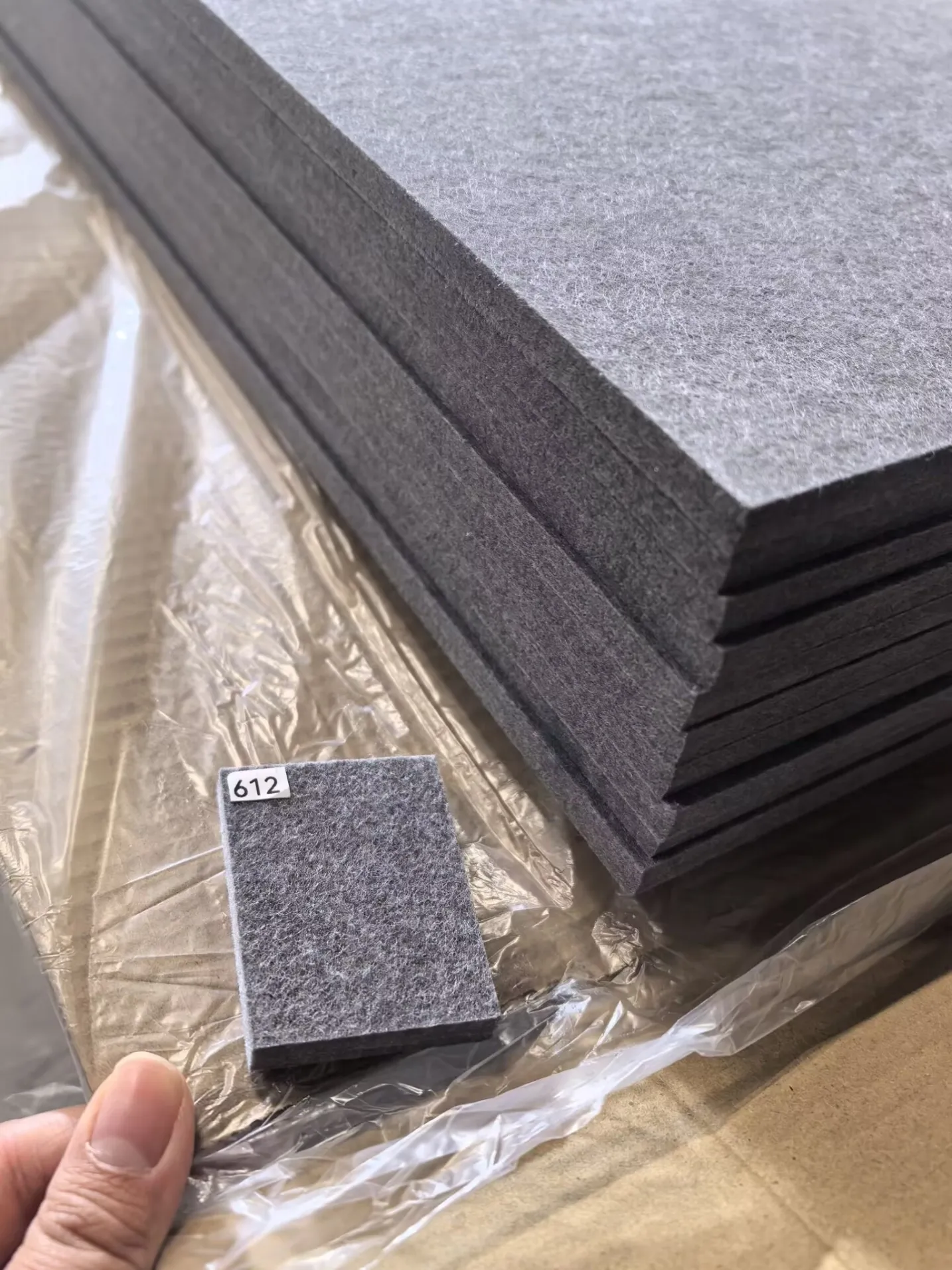
But if your customers use the panels for CNC cutting, furniture, room dividers or other fabrication, the material structure becomes more important.
Ask for a sample and actually process it if possible.
Check how the panel behaves when cutting holes, curves, slots or grooves.
For thicker PET felt, also pay attention to the internal bonding of the material.
A stable felt structure can make later processing easier.
Our article [Why PET Felt Panels Delaminate: What CNC Buyers Should Know] can help explain why internal bonding is worth checking before a large order.
5. Do Not Assume Fire Certification Is the Same Everywhere
This is one area where importers should be careful.
A supplier may tell you that a PET felt panel is “fire rated”, but you should ask:
Which product was tested?
At what thickness?
According to which standard?
Can you provide the actual test report or certificate?
For example, ASTM E84 and EN 13501-1 are not the same test standard.
If your market or customers require a specific local standard, confirm this before placing the order.
Do not wait until the panels have already been produced.
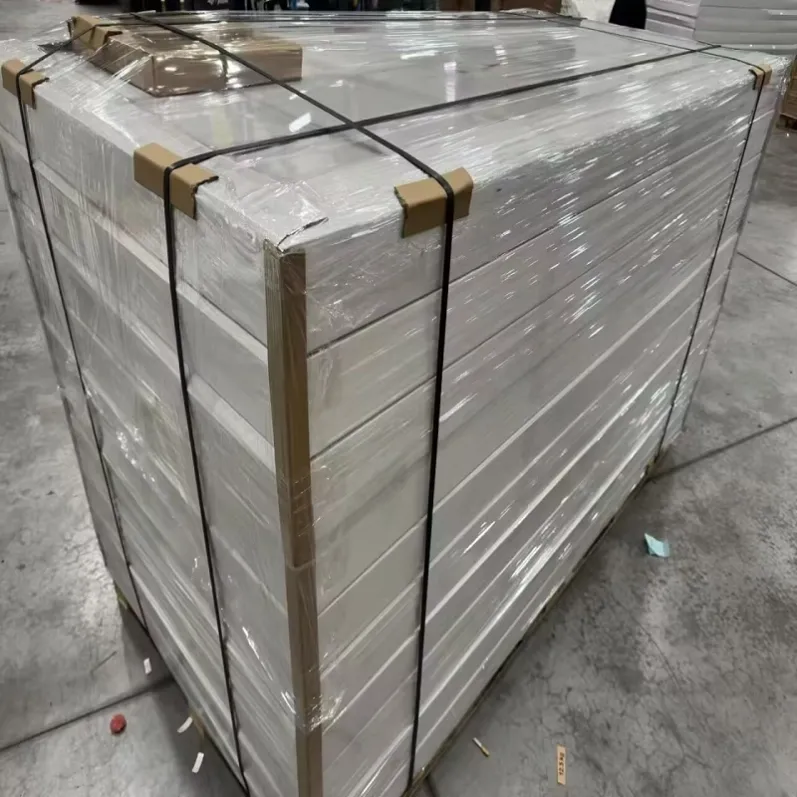
6. Packaging Is Part of Product Quality
PET felt panels are large and relatively lightweight.
That does not mean they are impossible to damage during transportation.
For international orders, packaging needs to consider:
- panel size
- thickness
- colour
- carton or pallet packing
- container loading
- handling during unloading
- protection against moisture and edge damage
I would ask the supplier to show you how the panels are packed for export.
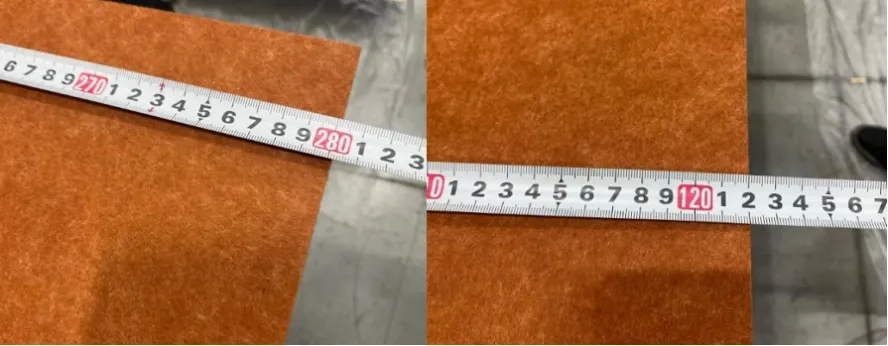
If you are buying a large 2800mm panel, for example, the packaging and loading method may be different from a standard 2440mm panel.
A good product with poor packaging can still arrive at the customer in poor condition.
7. Ask How Small the First Order Can Be
You do not always need to start with a full container.
For a second supplier, a small trial order can be a practical way to check the real cooperation.
You can test:
- product quality
- colour
- packaging
- communication
- production time
- loading
- documents
- actual arrival condition
The first order does not need to prove everything.
It should simply give you enough information to decide whether the supplier is worth developing.
For a new supplier, I prefer a realistic trial order over making a large order before both sides understand each other.
Sometimes, it is not even about the order volume. It could be about finding a way to fit a few sample pallets into a shared container to test the logistics. A good second supplier should be flexible enough to help you find these solutions.
8. Pay Attention to Communication
This is easy to ignore when comparing prices.
But after you start ordering, communication becomes part of the supplier service.
Can the supplier understand your specification correctly?
Do they tell you when there is a problem?
Do they give you clear information about production and shipping?
Nobody expects a supplier to say “yes” to everything.
Sometimes the better answer is:
“This specification is possible, but we recommend another option because…”
For long-term cooperation, honest communication is often more useful than simply getting the lowest price.
A Second Supplier Should Reduce Risk, Not Create More Work
For an importer or distributor, adding a second PET felt supplier is not only about having another price list.
The purpose should be to give your business another reliable option.
Maybe you need additional production capacity.
Maybe you need a special size.
Maybe you want to develop a new colour range.
Maybe you simply want a backup supplier for your regular products.
Whatever the reason, I would look at the complete picture:
quality + consistency + certification + packaging + processing + communication + price.
You do not need to make a large order immediately.
Start with samples.
Check the material yourself.
Ask the supplier practical questions.
If the sample is good, try a small order.
Then see how the supplier performs when there is a real shipment, a real deadline and real customer requirements.
That is when you will know whether you have found a second supplier or simply another company that can send you a quotation.
Many importers start with a supplier in Southeast Asia or a local distributor, but eventually look for a Chinese partner for better customization, specific sizes like 2800mm, or a wider color range.
Looking for a Second PET Felt Supplier?
If you are already buying PET felt panels and are looking for an additional supplier from China, we are happy to discuss your current specifications.
You can send us your thickness, GSM, size, colours, annual quantity and fire-rating requirements.
If you already have a sample from your current supplier, you can also share the specification or photos with us.
We can review the requirements first and suggest the closest suitable PET felt material.
If you are looking for a reliable second source rather than just another quotation, feel free to contact us.
More related pages:
📩 Send us your project drawings or specifications, and we will respond with a clear quotation and production suggestion within 24 hours.
Email: info@hengmy.com