Sep 28, 2026Services Overview
What a PET Felt Supplier Can Help With Beyond the Quotation
A PET felt quotation is only the beginning. Learn what buyers should clarify about specifications, MOQ, documentation, lead time, packing and shipping.

What a PET Felt Supplier Can Help With Beyond the Quotation
The supplier replies with the specification, price, MOQ and lead time.
This is the basic quotation.
And for a simple order, it may be enough.
But for many B2B purchases, there are other questions behind the quotation.
What exactly will be produced?
What does the MOQ apply to?
When will the material actually be ready?
Which documents are available?
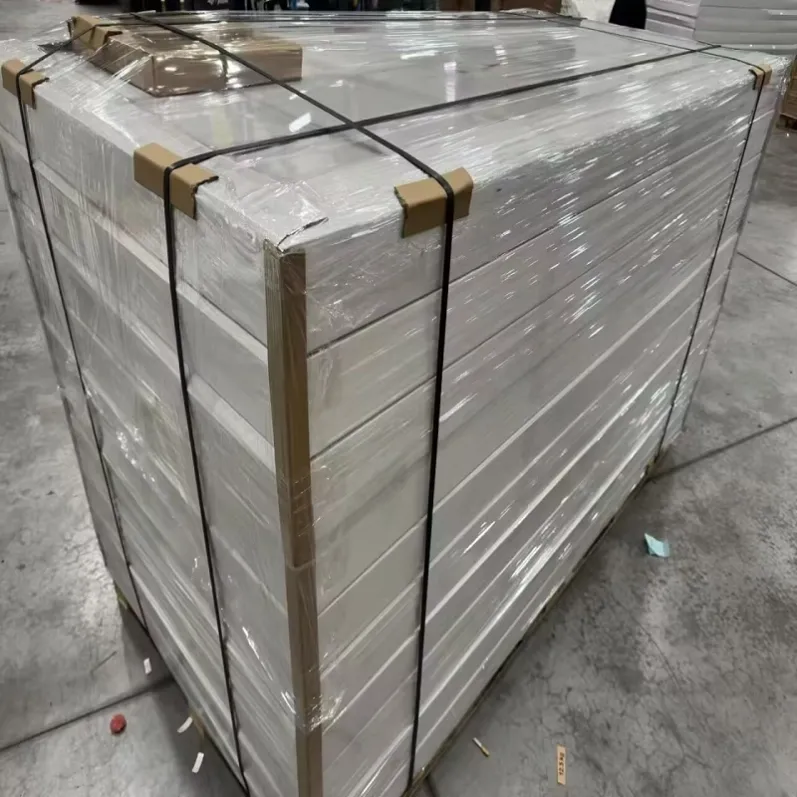
How will the goods be packed and loaded?
These details may not appear in the first inquiry, but they can affect how smoothly the whole order goes.

A quotation gives you the numbers
For PET felt, a quotation normally includes information such as:
- Thickness
- Size
- GSM
- Color
- Quantity
- Price
- MOQ
- Lead time
These are important because the buyer needs to know what they are buying and what they are paying for.
But sometimes a number on a quotation needs a little more explanation.
For example, if the MOQ is 300 sheets, the buyer may want to know whether this applies to every color and specification, or whether different standard colors can be combined.
The answer can be different for standard products and customized production.
For a buyer, understanding the reason behind the MOQ is more useful than simply seeing a number on the quotation.
Standard and custom production are not the same
This is especially important when the buyer requests a non-standard size, density or color.
A custom specification may require a different production arrangement from a standard product.
The buyer may therefore need to know:
Is this a standard specification or a custom production?
How will the customization affect the production schedule?
These are simple questions, but answering them clearly at the beginning can prevent misunderstandings later.
A good quotation should not only show the price.
It should help the buyer understand what the price is based on.
Lead time should also be clear
Lead time is another example.
When a supplier says “7–10 days”, the buyer may still need to understand what this means.
Is the material already available?
Does production need to be arranged?
Is the requested specification standard?
When can the goods actually be ready for loading?
For an importer, this information can be important because the PET felt may already be part of another purchasing or delivery schedule.
A few days can sometimes affect the next step of the supply chain.
So before an order is confirmed, I think it is better to make the production situation clear rather than give a lead time that sounds simple but leaves too many questions.
Packing and loading are part of the order too
These details are sometimes discussed only after the order has already been placed.
For larger PET felt shipments, however, packing and loading can be worth confirming earlier.
The buyer may need to know how the sheets will be packed, how the cargo will be arranged, and whether the loading method fits their shipping plan.
These are not product specifications.
But they are still part of the actual purchasing process.
For an importer, the product price is only one part of the shipment.
The goods also need to arrive in a condition and arrangement that works for the next step of the supply chain.
A supplier should help the buyer see the whole order
This is probably the main difference between simply sending a quotation and supporting a customer.
A quotation answers:
How much?
But a useful supplier can also help answer:
What exactly am I buying?
Can it be produced as requested?
When will it be ready?
What documentation is available?
How will it be packed and loaded?
Not every order needs a long discussion.
If the requirement is simple, the purchasing process should also be simple.
But when there are several details that could affect the order, it is better to clarify them before production starts.
This can save time for both sides.
The supplier does not need to make every decision
There is also a balance here.
A supplier should provide information and point out things that may need attention.
But the buyer knows their own market, customers and business better than the supplier.
So the supplier's role is not to make every purchasing decision for the customer.
It is to provide clear information, explain the practical options, and make sure both sides understand what has been agreed.
Then the customer can make the decision based on their own requirements.
I think this is especially important in international B2B business.
A good supplier relationship should make purchasing easier, not make the buyer feel that every decision is being made for them.

Beyond the quotation
For me, a good PET felt quotation is more than a price sheet.
It is the starting point for a clear conversation.
If the requirement is simple, the quotation can be simple.
If the order involves custom production, special documentation, a particular schedule or specific shipping requirements, there may be more details worth discussing.
That is normal.
And sometimes a few clear questions before production can save much more time later.
A quotation tells you the numbers.
A good supplier can also help you understand the practical details behind those numbers.
If you are comparing PET felt suppliers, you can send us your current specification, size, quantity and color requirements.
We can review the details with you and provide a quotation based on your actual requirement, together with the information you need to evaluate the order clearly.
More related pages:
📩 Send us your project drawings or specifications, and we will respond with a clear quotation and production suggestion within 24 hours.
Email: info@hengmy.com