Sep 24, 2026Services Overview
What Buyers Say Is Not Always What They Need
Buyers may say price is the problem, but their real concern may be MOQ, stock, quality, delivery or after-sales support. How should suppliers listen?

What Buyers Say Is Not Always What They Need
One thing I have noticed after talking with more B2B buyers is that the first problem they mention is not always the real problem they are trying to solve.
A buyer may say:
“Your price is too high.”
But price may not be the only concern.
Maybe the MOQ is too high for their current stock level.
Maybe they are worried about slow-moving inventory.
Maybe they are comparing the specification with their existing supplier.
Or maybe they simply need to understand what they are getting for the higher price.
This is why I have learned not to respond too quickly.
Sometimes, the better question is:
“What makes you feel the price is high?”
The answer can tell you much more.
“We Already Have a Supplier”
This is another sentence suppliers hear quite often.
Of course, sometimes it simply means the buyer is happy with their current supplier.
But not always.
They may already have a supplier, but still be looking for a second source.
Maybe the lead time is not flexible enough.
Maybe some colours or sizes are difficult to get.
Maybe communication is not easy.
Or maybe they simply want another option before they actually need one.
In B2B purchasing, having a second supplier is not necessarily about replacing the first one.
Sometimes it is about reducing dependency.
That is why I do not always see “we already have a supplier” as the end of the conversation.
It is a reason to understand the situation better.
“We Don't Have a Project Now”
This one is also interesting.
A buyer may say they do not have a current project.
That can be completely true.
But it does not always mean they have no interest in the product.
For an importer or reseller, they may first want to understand the product range, colours, standard sizes, MOQ and lead time before deciding whether to add a new supplier.
Sometimes the timing is simply not right.
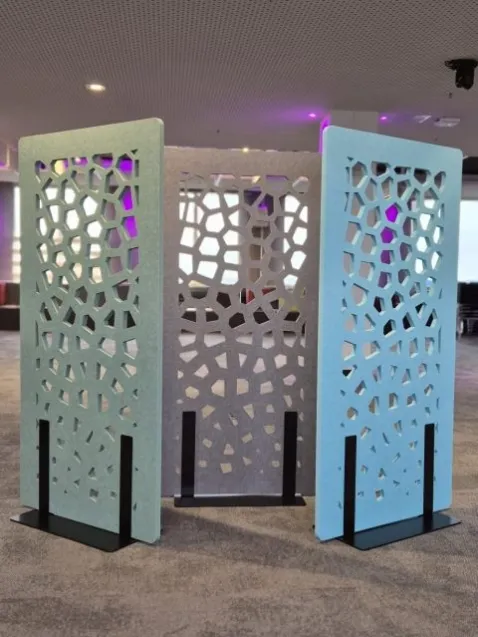
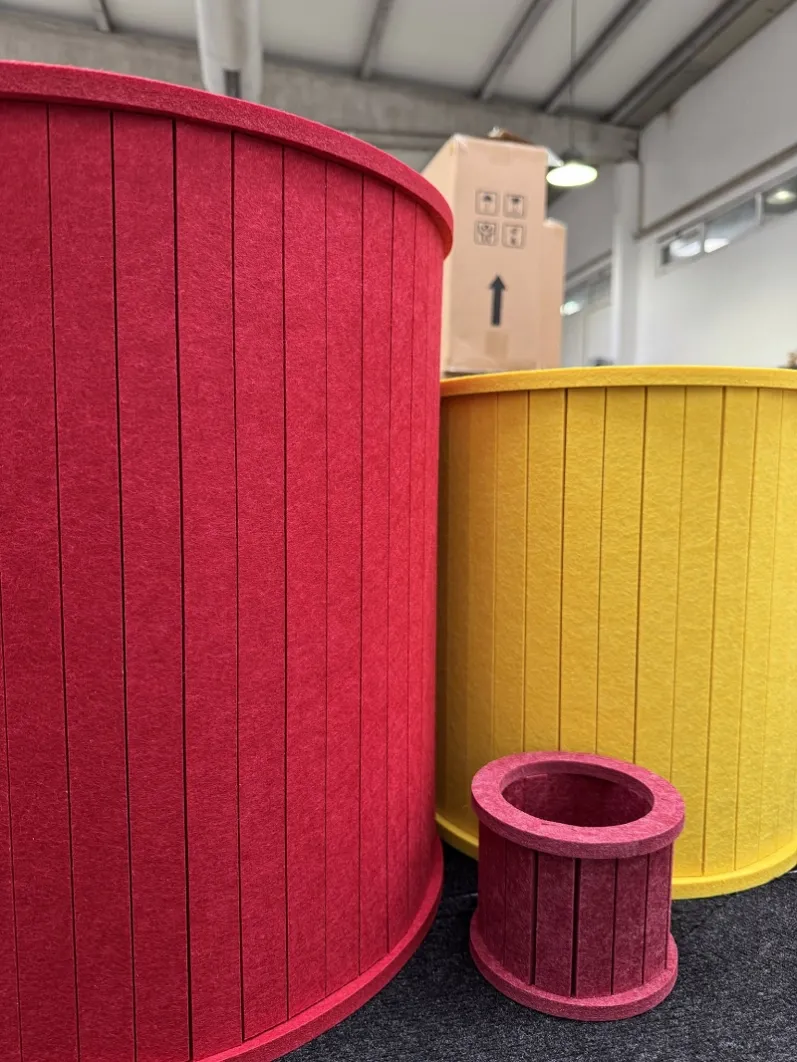
This is especially common with materials such as PET felt.
A buyer may not need to place an order today, but still needs to know whether the material could work for future projects or regular stock.
So I think there is a difference between “no order now” and “no need for this product.”
They are not always the same thing.

Pay Attention to the Questions
One thing I have found useful is to listen not only to what the buyer says, but also to what they start asking.
At the beginning, a buyer may ask:
“Can you supply PET felt?”
Later, the questions may become more specific:
“What is the MOQ for this size?”
“Can you keep this colour?”
“What is the normal production time?”
“Can you send samples?”
These questions do not guarantee an order.
But they show that the conversation is moving from general interest toward practical evaluation.
The buyer is trying to understand whether your product can actually fit their business.
That is a very different conversation from simply asking for a catalogue.
Don't Answer Too Quickly
I think this is one of the easiest mistakes in B2B sales.
A buyer says:
“Your price is high.”
The supplier immediately sends a discount.
A buyer says:
“MOQ is too high.”
The supplier immediately tries to change the MOQ.
A buyer says:
“We already have a supplier.”
The supplier immediately starts explaining why their own product is better.
Sometimes we are answering the sentence before understanding the reason behind it.
And this can make the conversation more difficult.
The buyer may actually be asking a different question.
Maybe:
“Can you help me reduce my inventory risk?”
“Can you supply this specification consistently?”
“What happens if I need a small trial order?”
“Can you become a reliable second source?”
Those questions are much more useful to understand.

The Customer Does Not Always Need More Information
There is another lesson here for suppliers.
We often believe that if a customer is not responding, we should send more information.
More product photos.
More certificates.
More company introduction.
More advantages.
But sometimes the buyer does not need more information.
They need a reason to continue the conversation.
A simple question can sometimes be more useful than another company presentation:
“What is the main difficulty with your current supplier?”
Or:
“Which part of the current specification is most important for you?”
The answer may change the whole conversation.
Listen Before You Solve
For me, good B2B communication is not about finding a clever response to every objection.
It is about understanding what the buyer is actually trying to achieve.
Price matters.
Quality matters.
MOQ matters.
Lead time matters.
But different buyers can have very different priorities, even when they ask about the same product.
That is why I try to understand the requirement before immediately trying to sell a solution.
If you are currently comparing PET felt suppliers, you can send me your specification, size, colour and expected quantity.
If there is a particular problem with your current supply, you can also tell me that.
Sometimes the most useful starting point is not “What product do you need?” but “What are you trying to solve?”
More related pages:
📩 Send us your project drawings or specifications, and we will respond with a clear quotation and production suggestion within 24 hours.
Email: info@hengmy.com