Oct 15, 2026Services Overview
PET Felt for LED Lighting: Thermoforming vs CNC Cutting
Discover how PET felt can be used for LED lampshades, and compare thermoforming with CNC cutting and assembly for custom lighting designs.
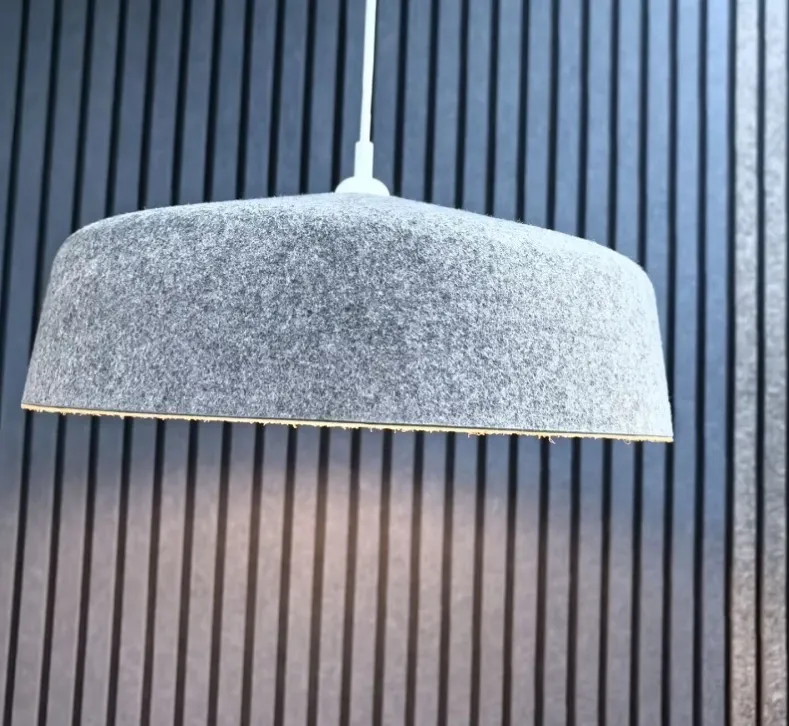
PET Felt for LED Lighting: Thermoformed Shades or CNC-Cut Designs?
PET felt is finding its way into more than acoustic panels and interior wall coverings. Some LED lighting manufacturers are using it as a new material element in their designs, including lampshades and decorative components.
Its felt texture gives lighting products a different look from conventional plastic or metal parts. PET felt is also lightweight and can be processed into different shapes, making it worth considering for custom lighting projects.
For manufacturers and designers, one practical question comes first: should the lampshade be thermoformed in a mould, or made from CNC-cut pieces assembled into a three-dimensional shape?
The right choice depends on the design, quantity and development budget.
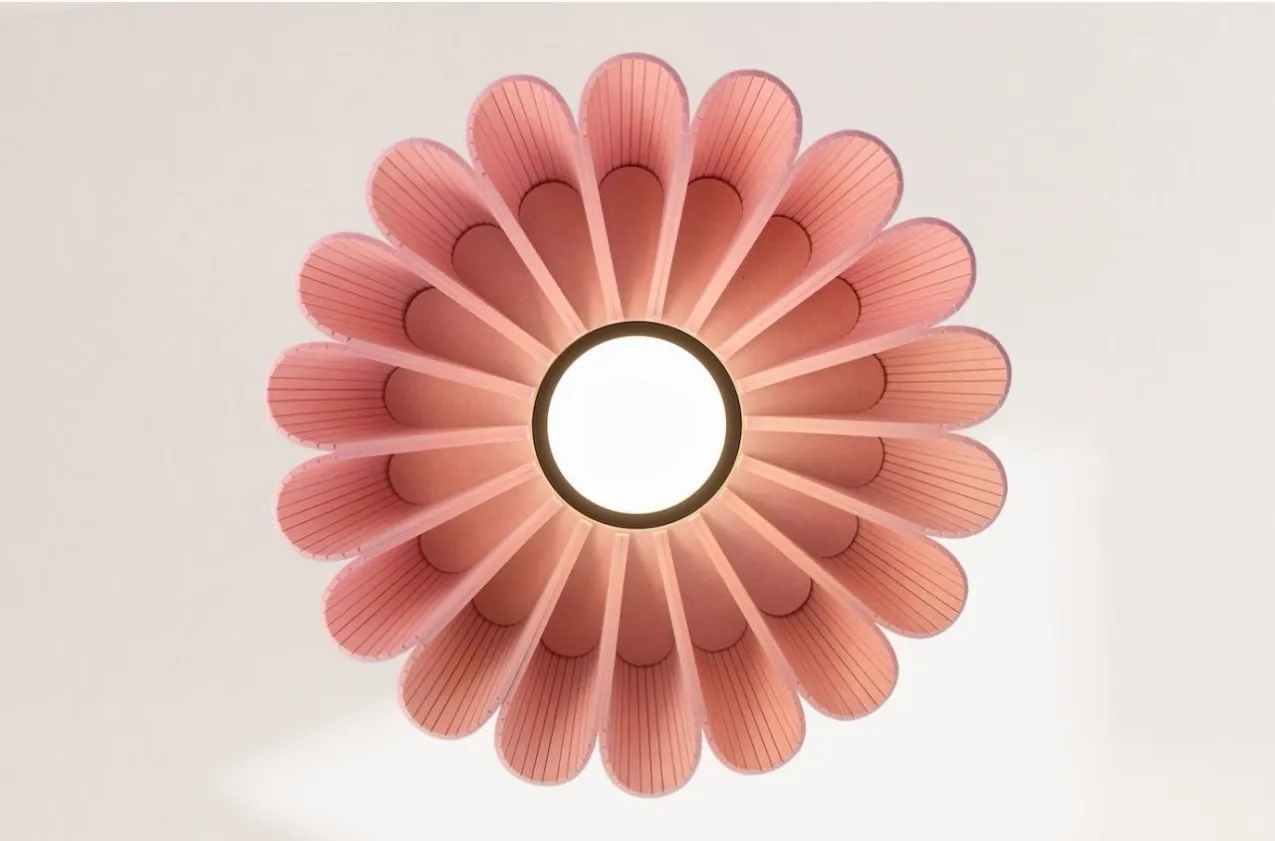
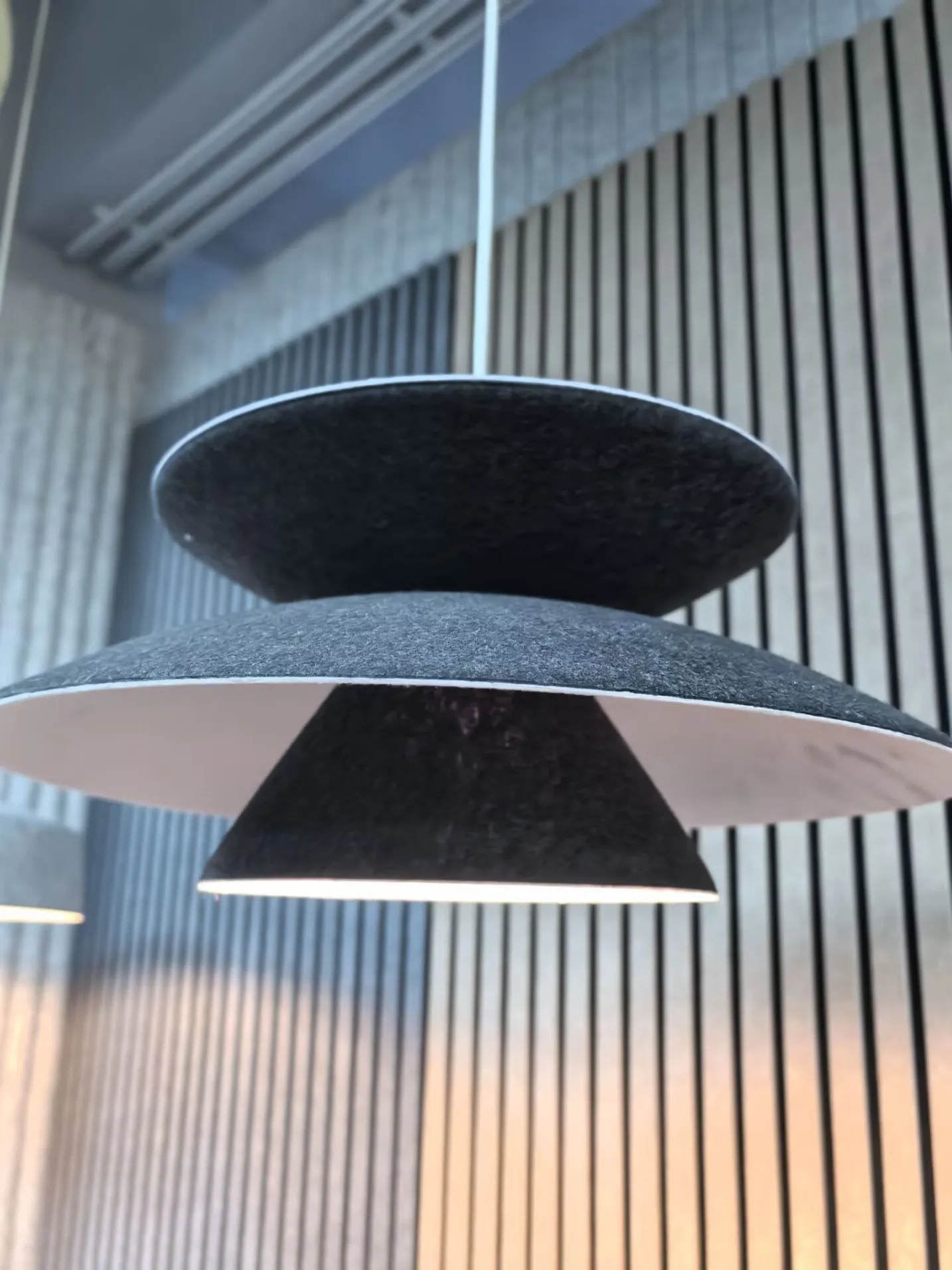
Thermoformed PET Felt Lampshades
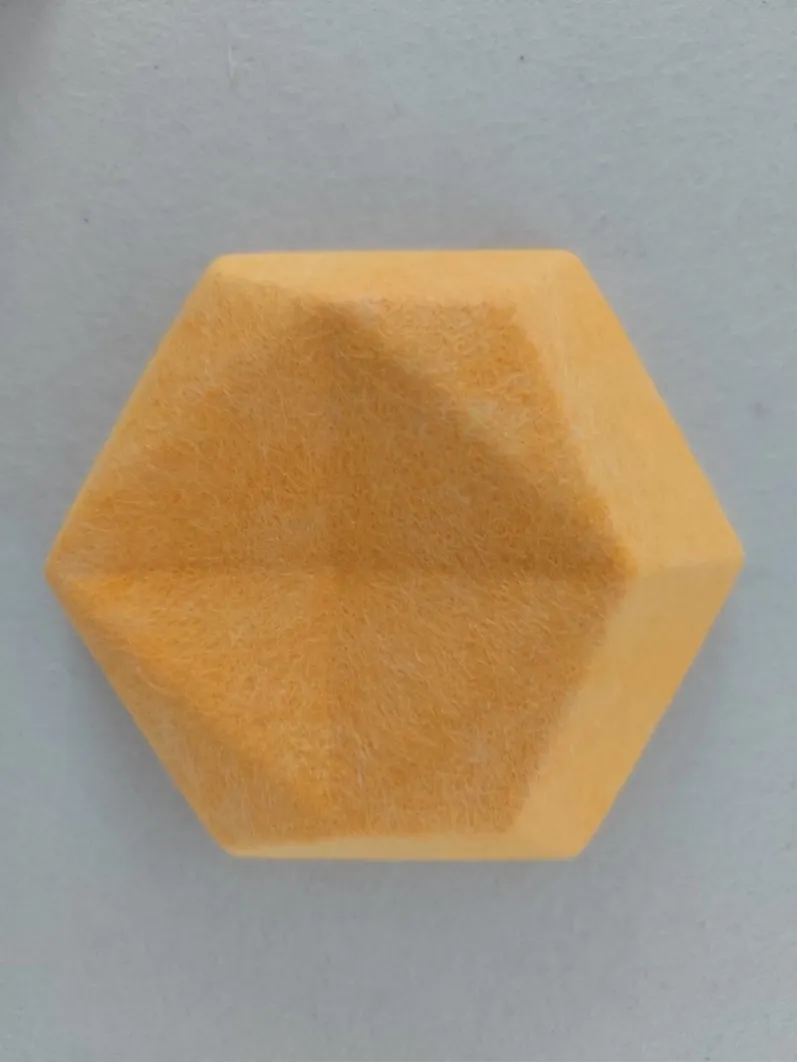
Once the mould is made, it can be used to produce lampshades with a consistent design. This approach may suit manufacturers who want a defined shape and expect to repeat the same design in production.
The main consideration is the mould.
If a suitable existing mould is available, development can be more straightforward. However, if the required shape is not available, a new mould needs to be made.
Based on our previous experience, mould costs have ranged from around US$2,000 to US$8,000, depending on the mould size and design. This is a reference range, not a fixed quotation. The actual cost needs to be checked against the specific project.
For a new lighting design, it is worth confirming the mould cost before deciding how to manufacture the lampshade.
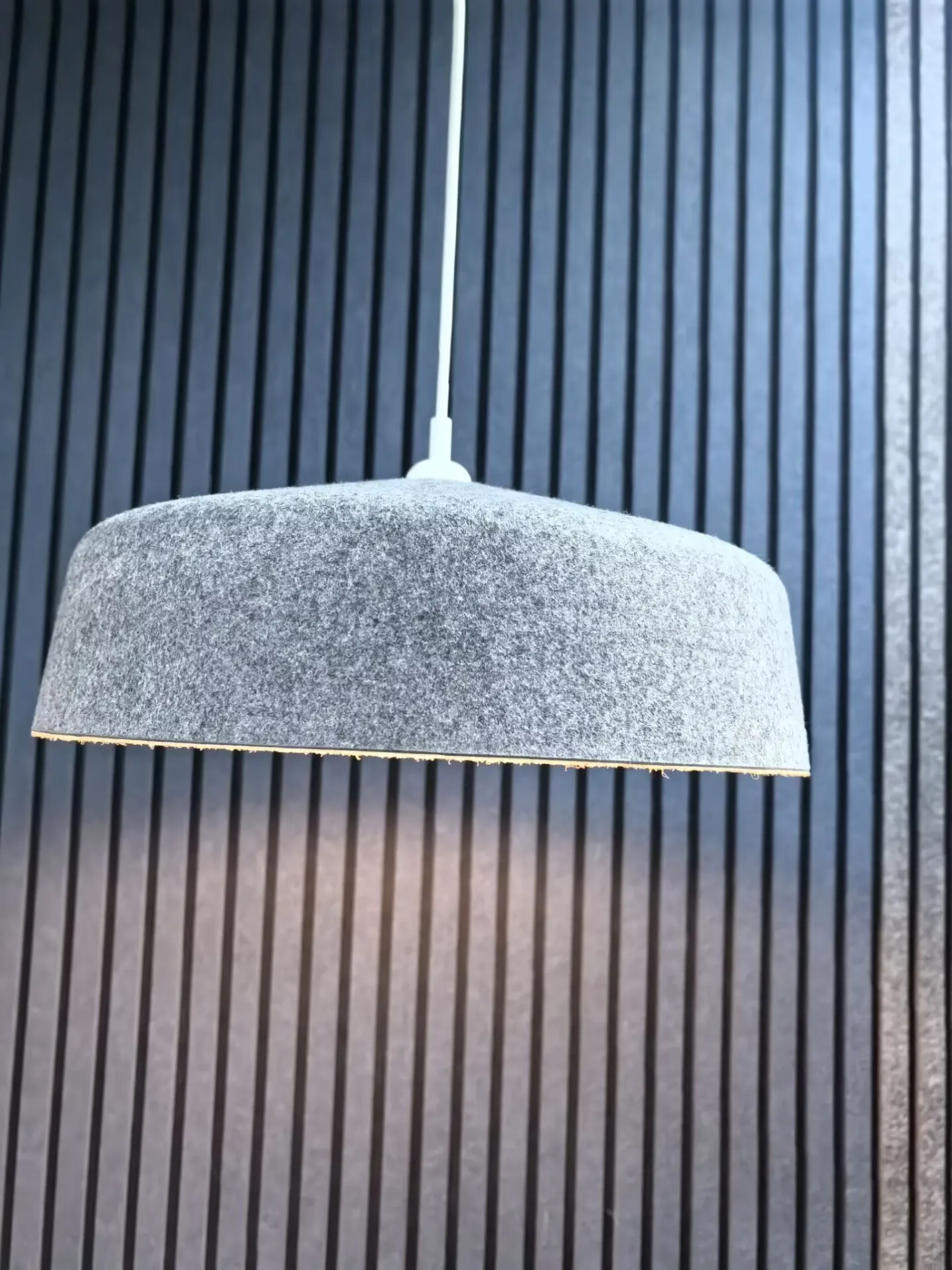
CNC-Cut PET Felt for Custom Lighting Designs
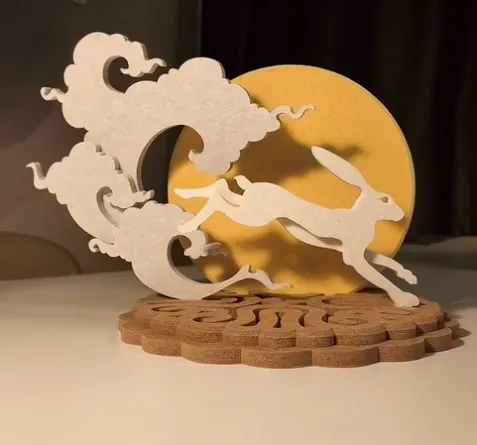
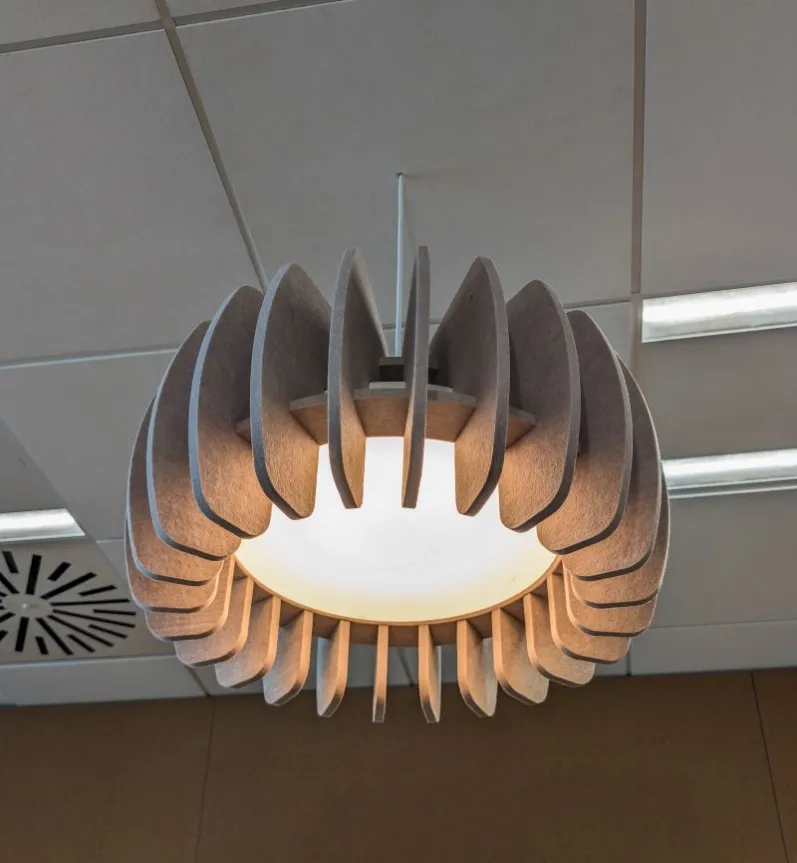
Another option is to cut PET felt sheets using a CNC cutting machine, following the designer's drawings.
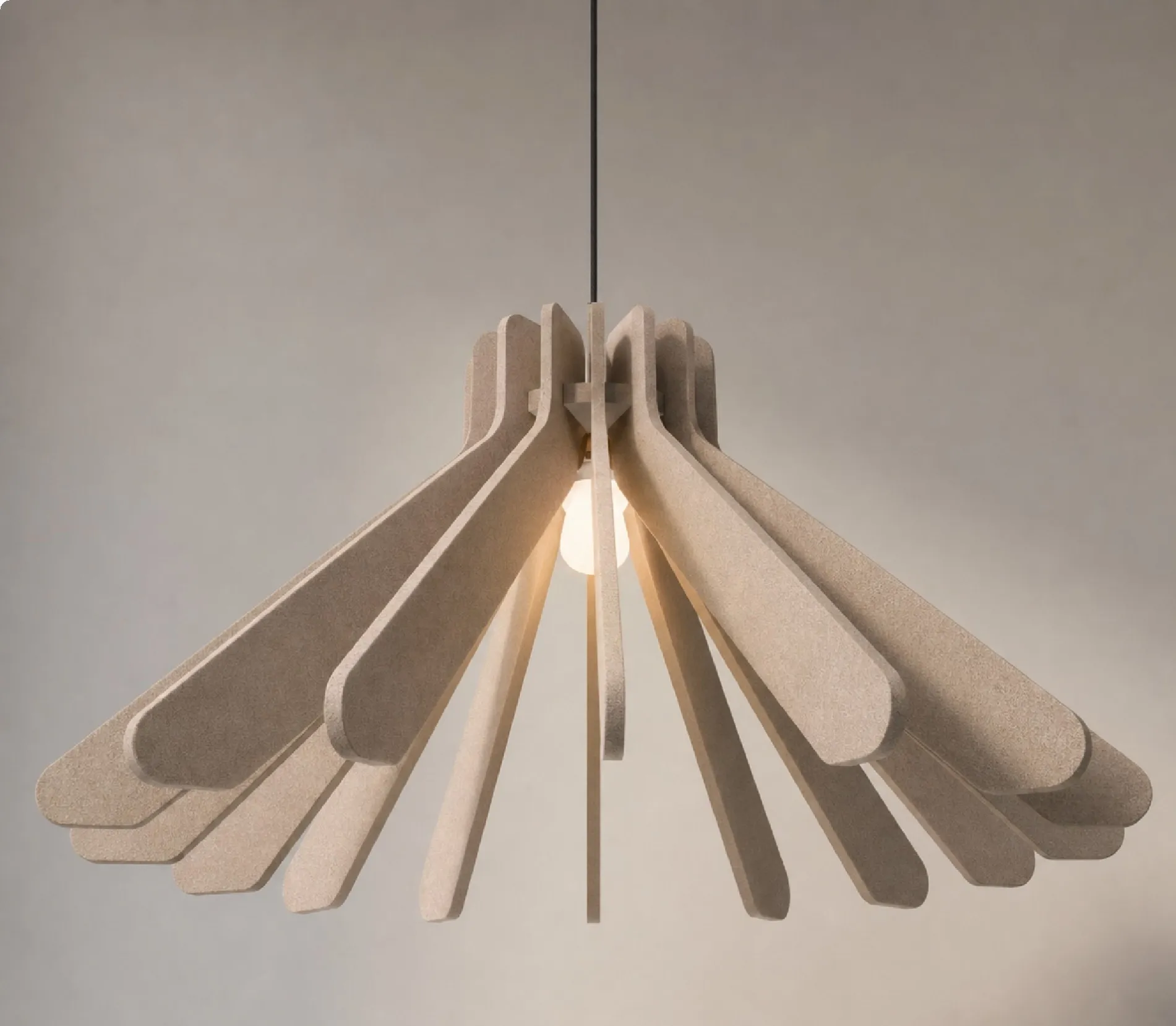
Instead of pressing the whole lampshade into one fixed shape, individual pieces are cut and then assembled by hand to create a three-dimensional form.
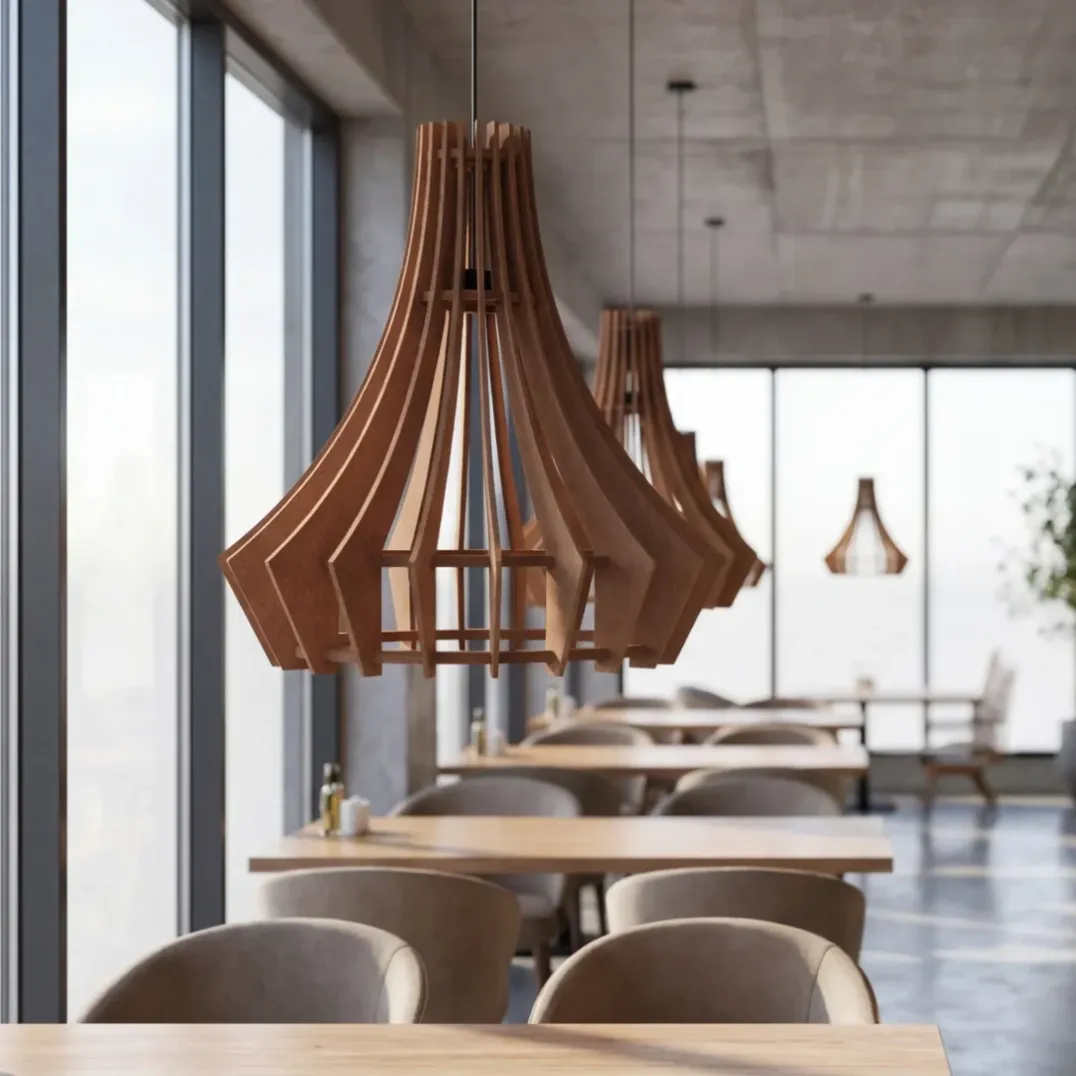
This method allows designers to explore different structures, patterns and shapes without making a dedicated mould for every new design. It can be a more economical way to develop a custom appearance, especially when the design is still being tested or the expected order quantity does not justify a new mould.
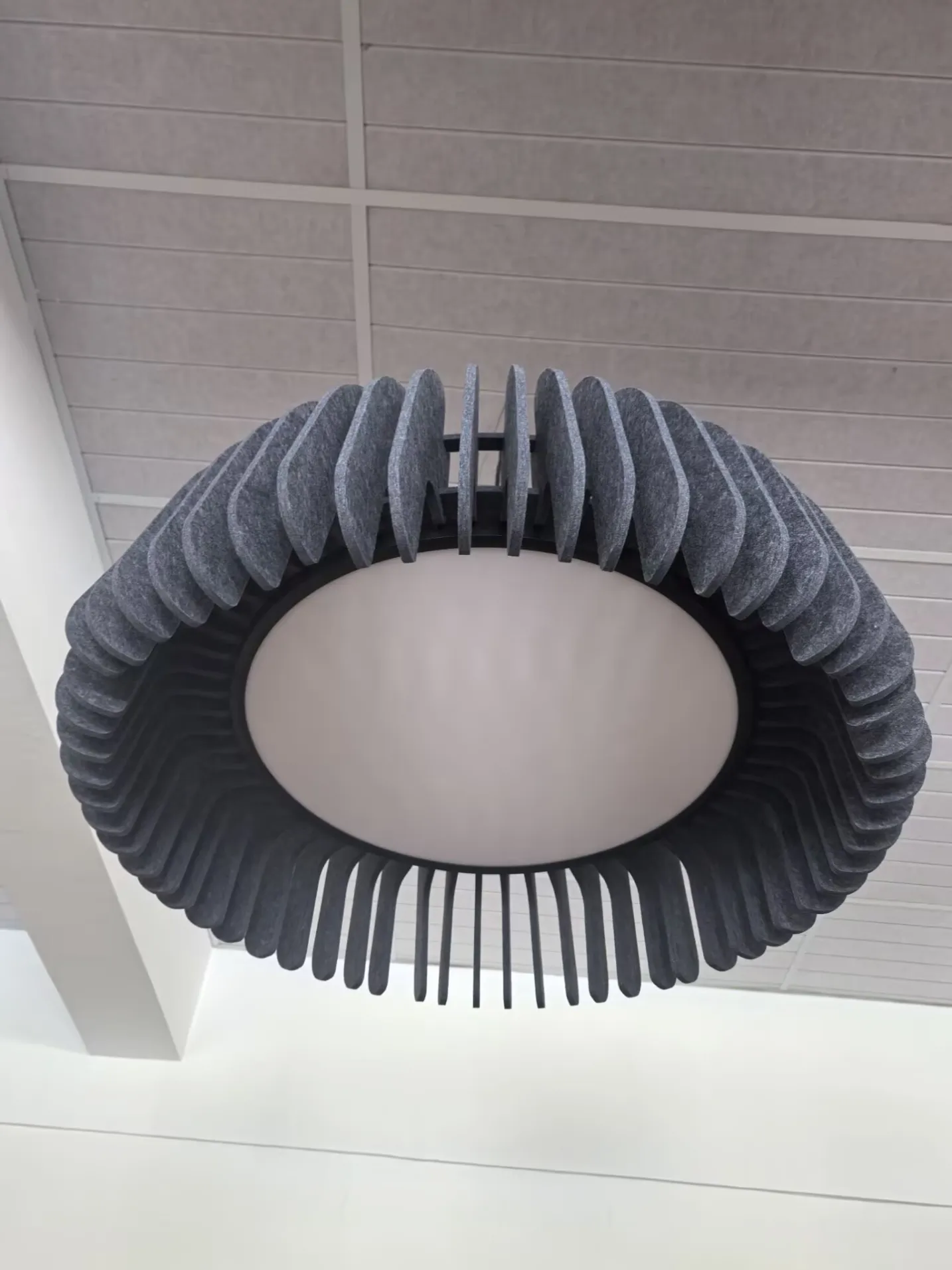
The design possibilities are broad. By changing the cutting pattern, the size and shape of individual pieces, or the way they are assembled, manufacturers can create different visual effects from the same basic sheet material.
Of course, the final result still depends on the drawing, material thickness, cutting details and assembly method. Some designs may need adjustments before they can be produced reliably.
Which Method Is Better for Your Project?
Neither method is automatically better. They serve different production needs.
Thermoforming may be suitable when:
- You need a specific, fixed three-dimensional shape.
- The design will be repeated in production.
- An existing mould matches your requirements, or the project budget allows for a new one.
CNC cutting and assembly may be suitable when:
- You want to explore different shapes without investing in a dedicated mould.
- The design consists of separate pieces that can be assembled into a three-dimensional structure.
- You need more flexibility when developing or changing the design.
If you are unsure which approach to use, start with the intended shape and expected quantity. These two details can help narrow down the manufacturing options before you spend money on tooling.
What Should You Confirm Before Production?
Before choosing PET felt for an LED lighting project, consider more than the appearance of the finished product.
First, confirm the required thickness, colour and surface finish. These affect the visual result and may also influence cutting and assembly.
Second, provide a drawing or reference image showing the intended shape. For CNC-cut designs, details such as slots, holes, joints and the assembly structure need to be reviewed before production.
Finally, confirm the material's suitability for the actual lighting application. Temperature exposure, electrical design and applicable fire-safety requirements should be assessed for the complete product. PET felt should not be assumed suitable for every lamp design without the necessary checks.
PET felt is a material option to explore, but the best manufacturing method should be selected around the requirements of the finished light.
Discuss Your LED Lighting Project With Us
If you are developing a new LED lamp or lampshade using PET felt, you can send us your design drawing, reference images, required thickness and estimated quantity.
We can review the material and processing requirements with you, including whether CNC cutting or an existing thermoforming mould may be worth considering.
If your design requires a new mould, the tooling cost should be evaluated before moving forward. If you are looking for a more flexible way to develop different shapes, CNC-cut PET felt may be another option to discuss.
Share your design with us, and let's look at a practical way to make it.
More related pages:
📩 Send us your project drawings or specifications, and we will respond with a clear quotation and production suggestion within 24 hours.
Email: info@hengmy.com