Oct 12, 2026Services Overview
What Should You Test on a PET Felt Sample Before Bulk Ordering?
Learn what to check on a PET felt sample before bulk ordering, from colour, thickness and GSM to CNC cutting, printing, fit and packaging.

What Should You Test on a PET Felt Sample?
When a PET felt sample arrives, the first things most buyers check are the colour and thickness. That makes sense, but there are a few other things worth looking at before placing a bulk order.
A panel may look fine as a flat sheet, but the result can be different once you start cutting it, printing on it or fitting it into a finished product.
Here is what I would check, depending on how you plan to use the material.
Colour
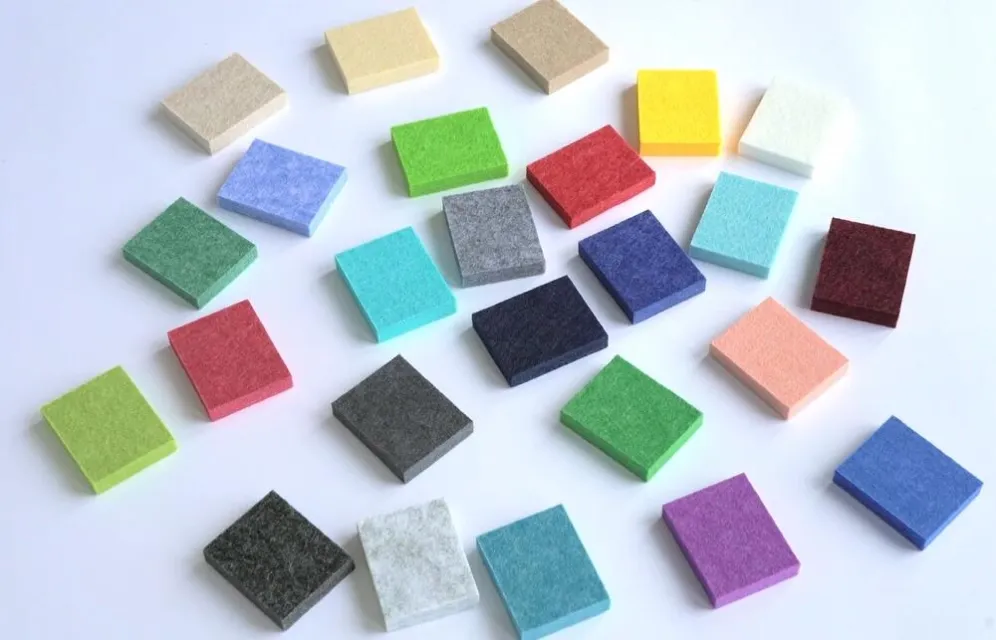
Compare the sample with your chosen colour reference, preferably under lighting similar to where the finished product will be used.
A colour on a computer screen can look different from the actual felt. If you are choosing several colours, check each sample rather than relying on the colour names alone.
Keep an approved sample for reference, especially if you expect to order the same colour again.
Thickness
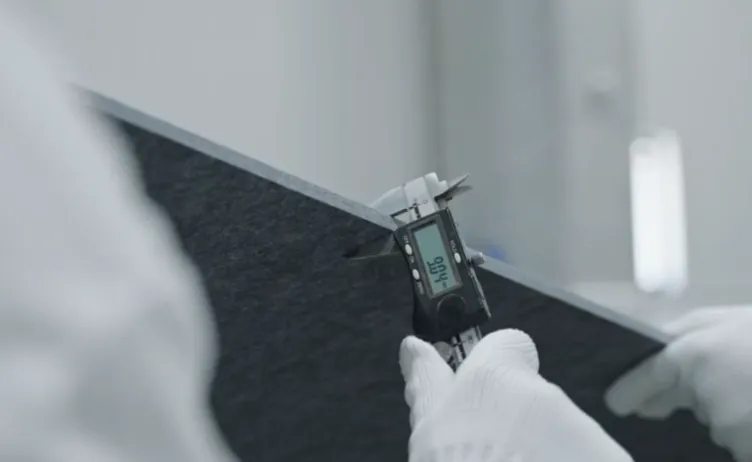
Measure the sample instead of relying only on the label.
A panel marked 12mm will not necessarily measure exactly 12mm at every point. If the material needs to fit into a frame or match other components, ask the supplier about the thickness tolerance.
It is better to agree on the acceptable range before ordering than to find out later that the material does not fit as expected.
Density | GSM
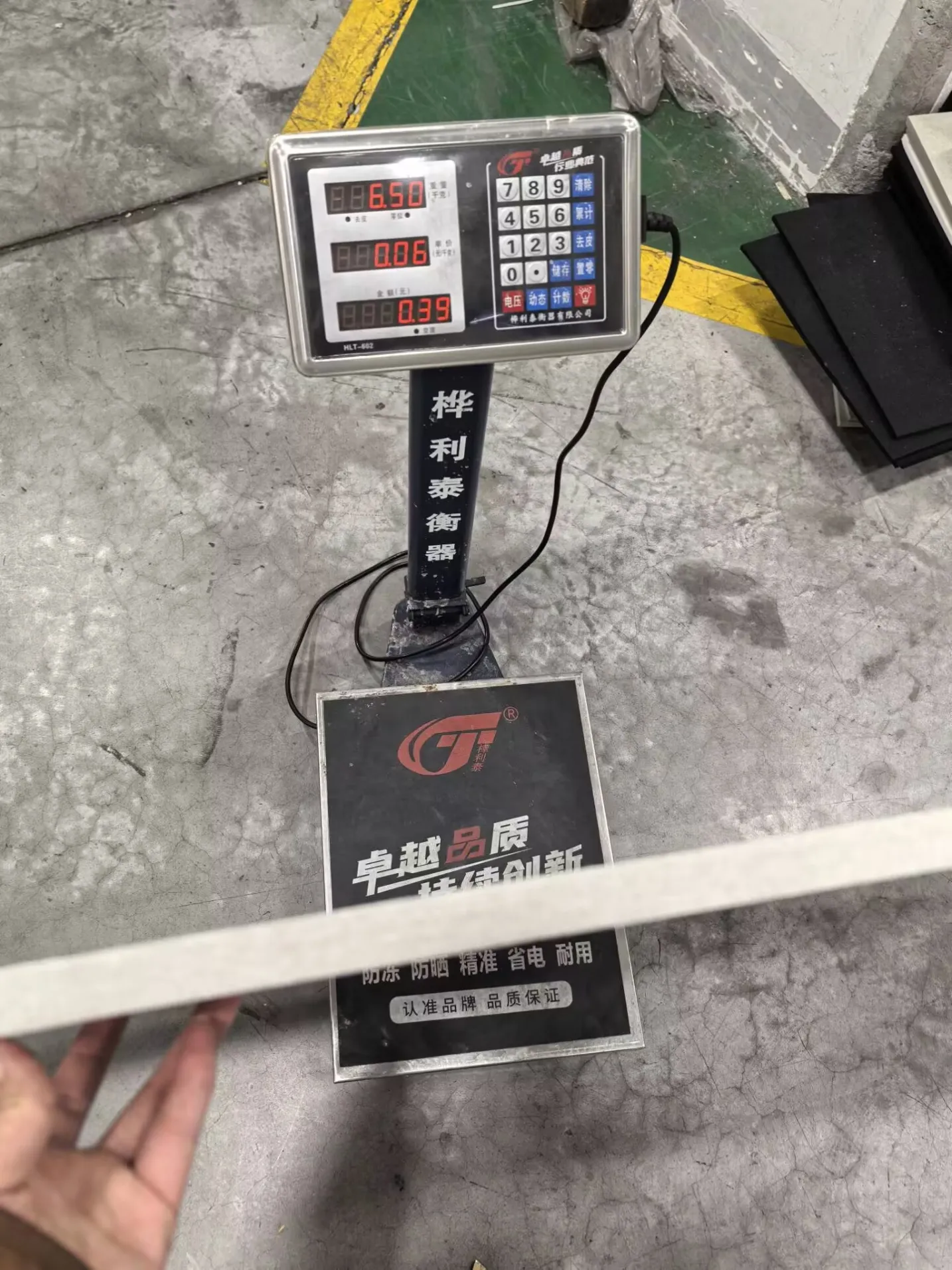
GSM is the weight of the material per square metre. Check it alongside thickness when comparing samples.
Two panels can both be 12mm thick but have different GSM values and feel different in use. If you have a specific GSM requirement, make sure the sample matches the specification you requested.
Comparing samples with different thicknesses or GSM values will not give you a fair picture of which material is more suitable.
Surface Quality
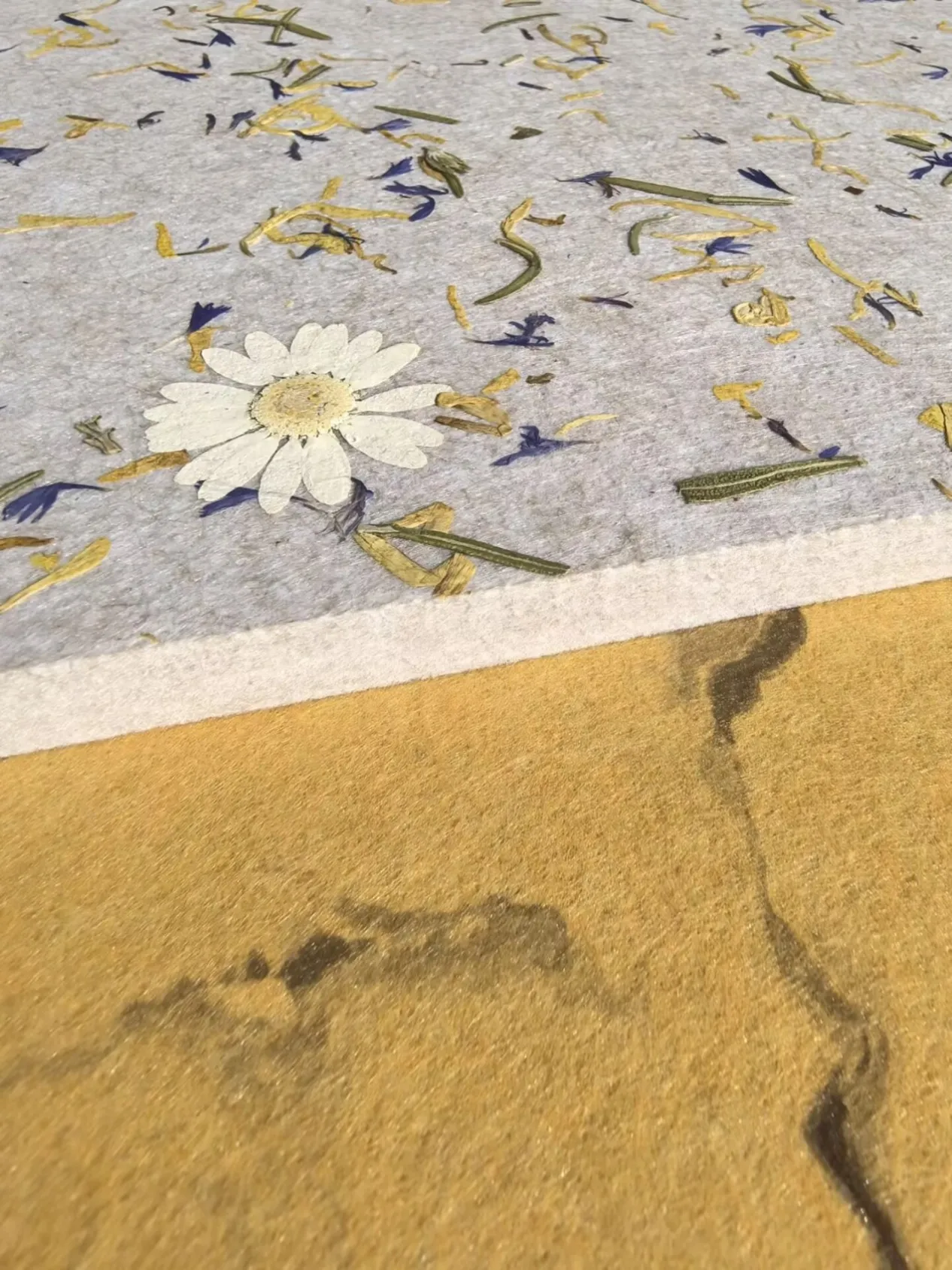
Look closely at the felt surface. Are there visible marks, uneven areas or loose fibres that could affect the finished appearance?
Think about where the panels will be used. Small surface differences may matter more on a visible wall panel than on a component hidden inside a piece of furniture.
If appearance is important, check the surface of the sample in good light.
Hardness and Material Structure
Handle the sample and see whether its firmness suits your needs. If you are comparing suppliers, put the samples side by side and compare them under the same conditions.
For thicker panels, check the material through its full thickness if single-layer construction is required. Do not assume that two panels with the same thickness have the same internal structure.
The way the material feels is useful, but it should be considered alongside the agreed thickness and GSM.
CNC Cutting Result
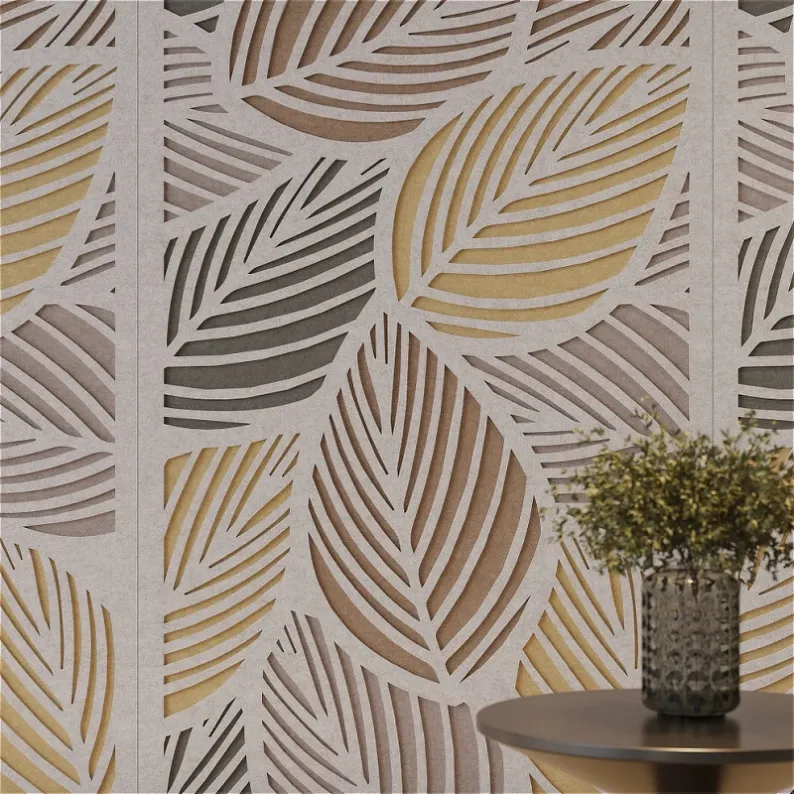
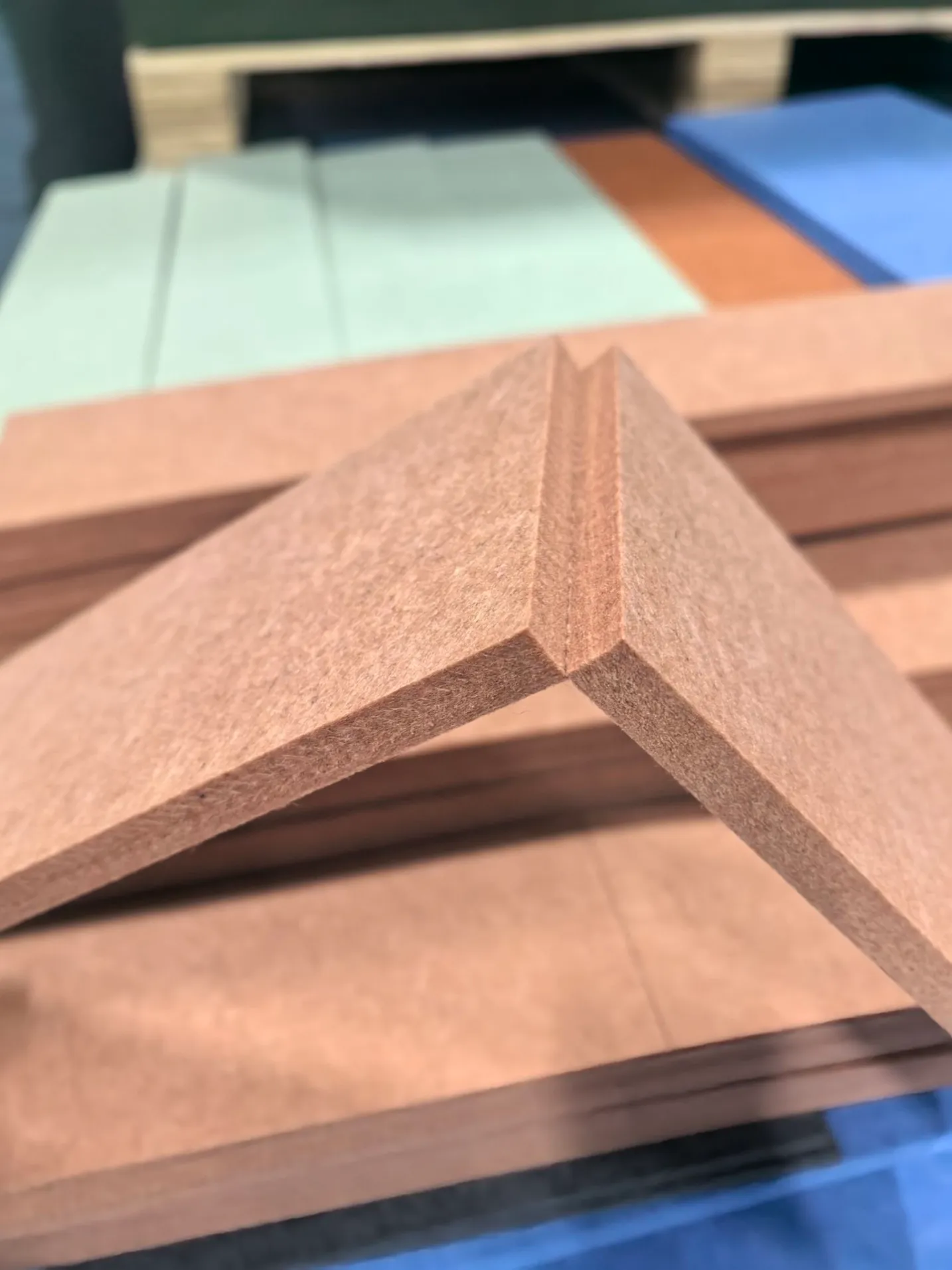
Look at the edges, small holes, narrow slots and corners. Are the cuts clean enough for your product? Do small details hold their shape, or are the edges too rough?
If you already have a design, use part of the actual drawing for the test. Cutting a simple square will not tell you much about how the material handles detailed shapes.
Printing Result
If the panels will be printed, ask for a sample with your design or a representative part of it.
Check the colours, fine lines and small text. A blank sheet cannot tell you how well the printed design will look on the finished material.
It is worth checking this before committing to a large quantity, particularly when the printed surface is a key part of the product.
Fit and Installation
If the felt will be fitted into a frame or assembled with other parts, try it with those parts if possible.
Check whether the dimensions, slots and fixing points work as intended. A panel can look correct on its own but still cause problems when you assemble the finished product.
Packaging
Look at how the sample was packed and whether it arrived without visible damage, marks or bending.
For a bulk order, ask how the sheets will be packed. If your warehouse or customer requires a particular packing method, agree on it before the order is confirmed. Sample packaging may differ from the packing used for a full shipment.
Match with the Agreed Specification
Before approving the sample, go back to the original requirements.
Check the thickness, GSM, size, colour and surface. If you have tested CNC cutting or printing, make sure those results meet your needs too.
It is also useful to keep a record of the approved sample, so both you and the supplier have the same reference when the bulk order is produced.
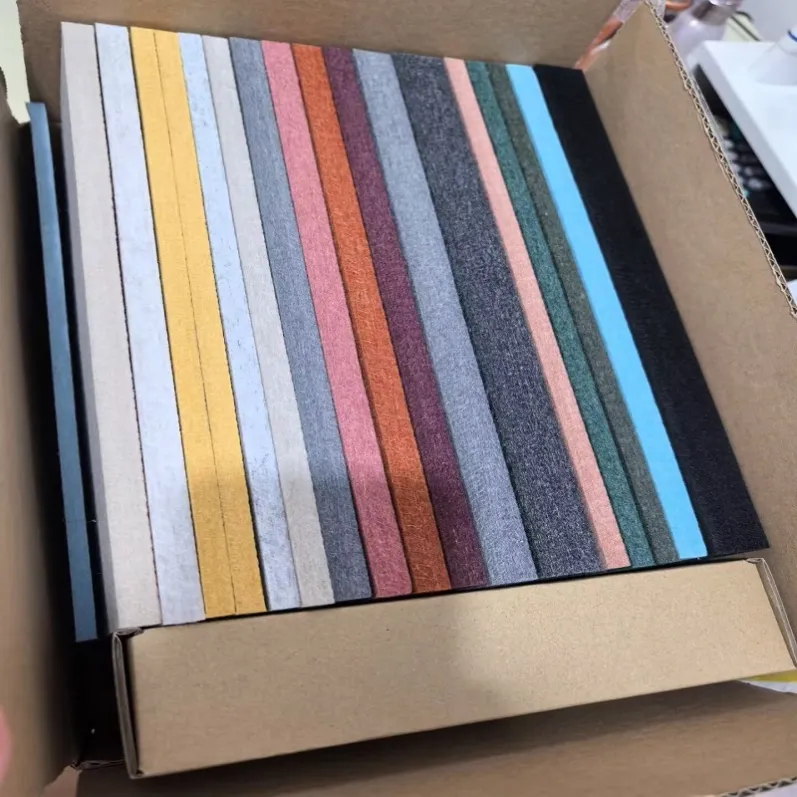
A Sample Is Worth More Than a Colour Check
You do not need to carry out every test for every order. For standard flat sheets, colour, thickness, GSM and surface quality may be enough. If the felt will be cut, printed or assembled into other products, test those operations as well.
If you are sourcing PET felt panels for a new project, send us your required thickness, GSM and intended application. If you have a drawing, colour reference or specific processing requirements, you can share those too.
We can review the details with you and discuss which material checks are worth doing before you place a bulk order.
More related pages:
📩 Send us your project drawings or specifications, and we will respond with a clear quotation and production suggestion within 24 hours.
Email: info@hengmy.com