Aug 26, 2026Services Overview
How European Buyers Can Reduce PET Felt Packaging Waste
Practical ways for European PET felt buyers to reduce unnecessary packaging, improve loading efficiency and review packaging choices as PPWR takes effect.
How European Buyers Can Reduce PET Felt Packaging Waste
When European customers buy PET felt panels from overseas suppliers, packaging is usually not the first thing they think about.
They are more focused on thickness, GSM, colours, panel size, price and delivery time.
This is understandable.
But after several containers of PET felt panels are shipped, another question becomes important:
How much packaging are we actually bringing into our warehouse?
With more attention being paid to packaging waste in Europe, this is worth looking at from a practical point of view.
The EU Packaging and Packaging Waste Regulation (PPWR) entered into force in 2025 and generally applies from 12 August 2026. It covers packaging and packaging waste and includes measures aimed at reducing packaging waste and unnecessary use of resources.
But this article is not about saying whether a particular packaging method is “PPWR compliant”.
That depends on the specific packaging, product, market and applicable requirements.
Instead, I want to talk about something simpler:
How can PET felt buyers and suppliers work together to reduce unnecessary packaging?
Start With the Packaging You Actually Need
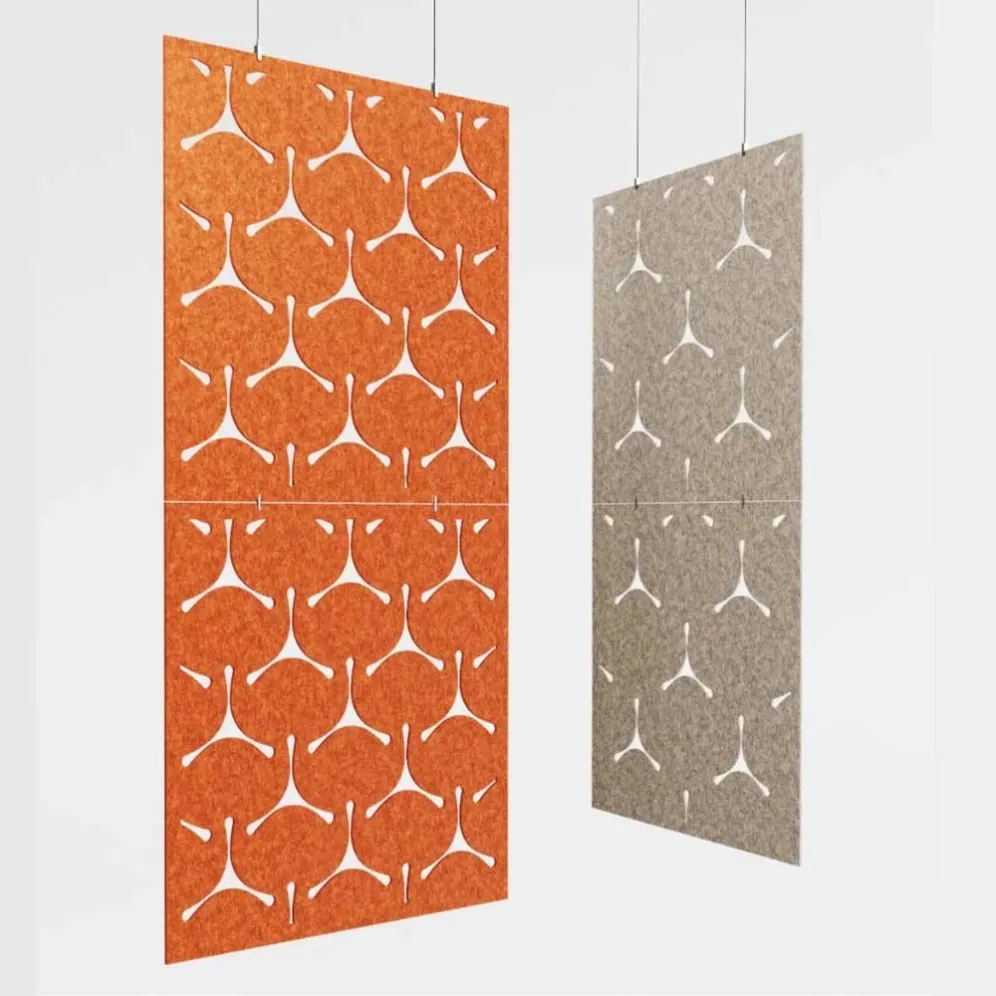
PET felt panels are large and relatively lightweight.
Because of this, packaging needs to protect the panels from bending, scratching, moisture and damage during transportation.
But protection does not always mean adding more and more packaging materials.
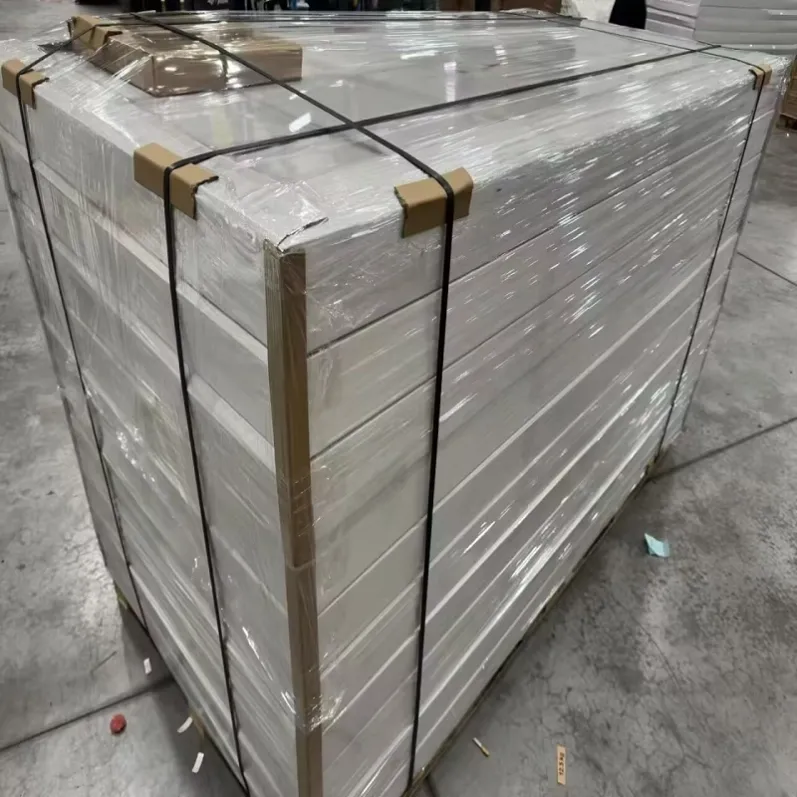
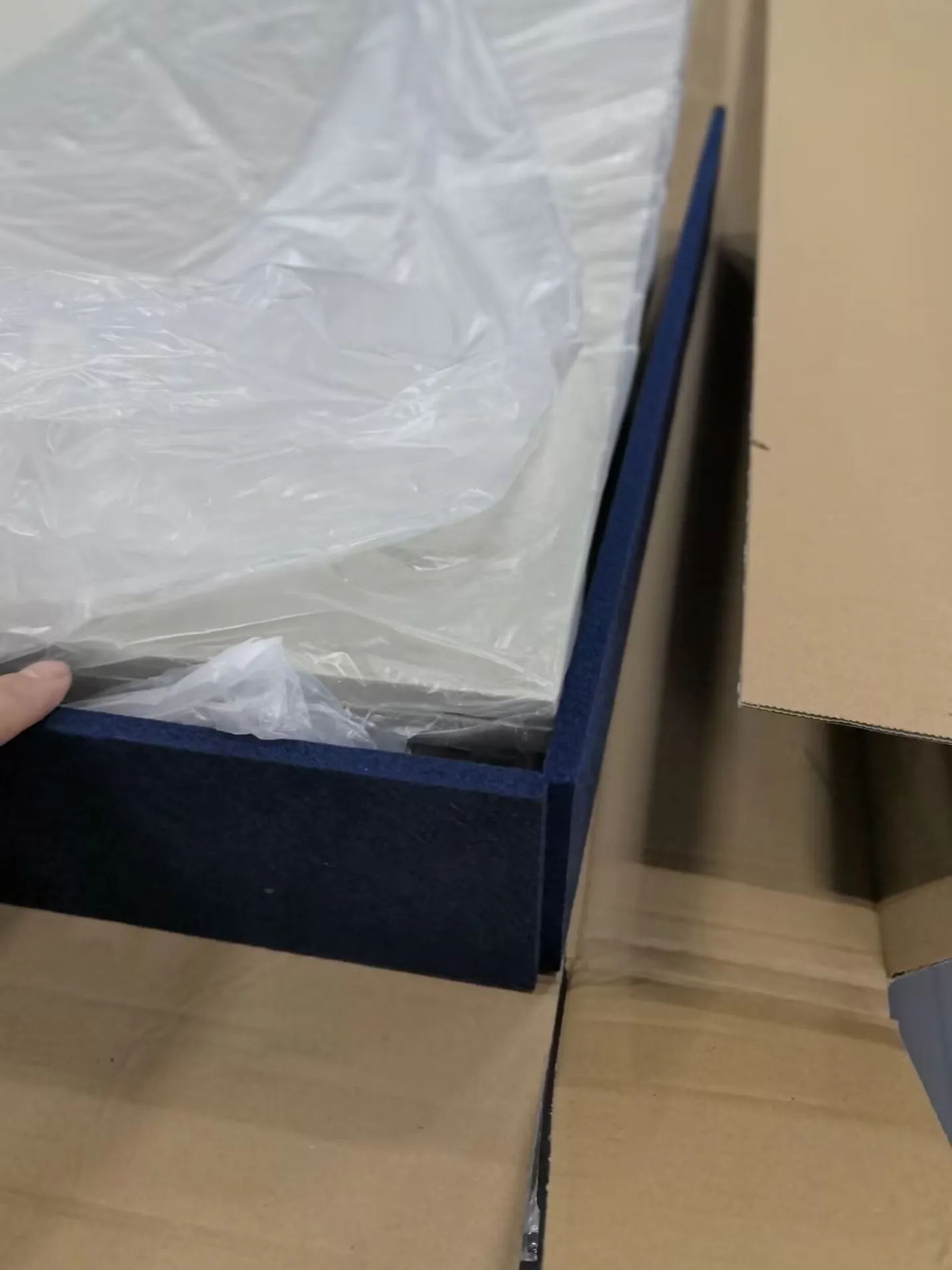
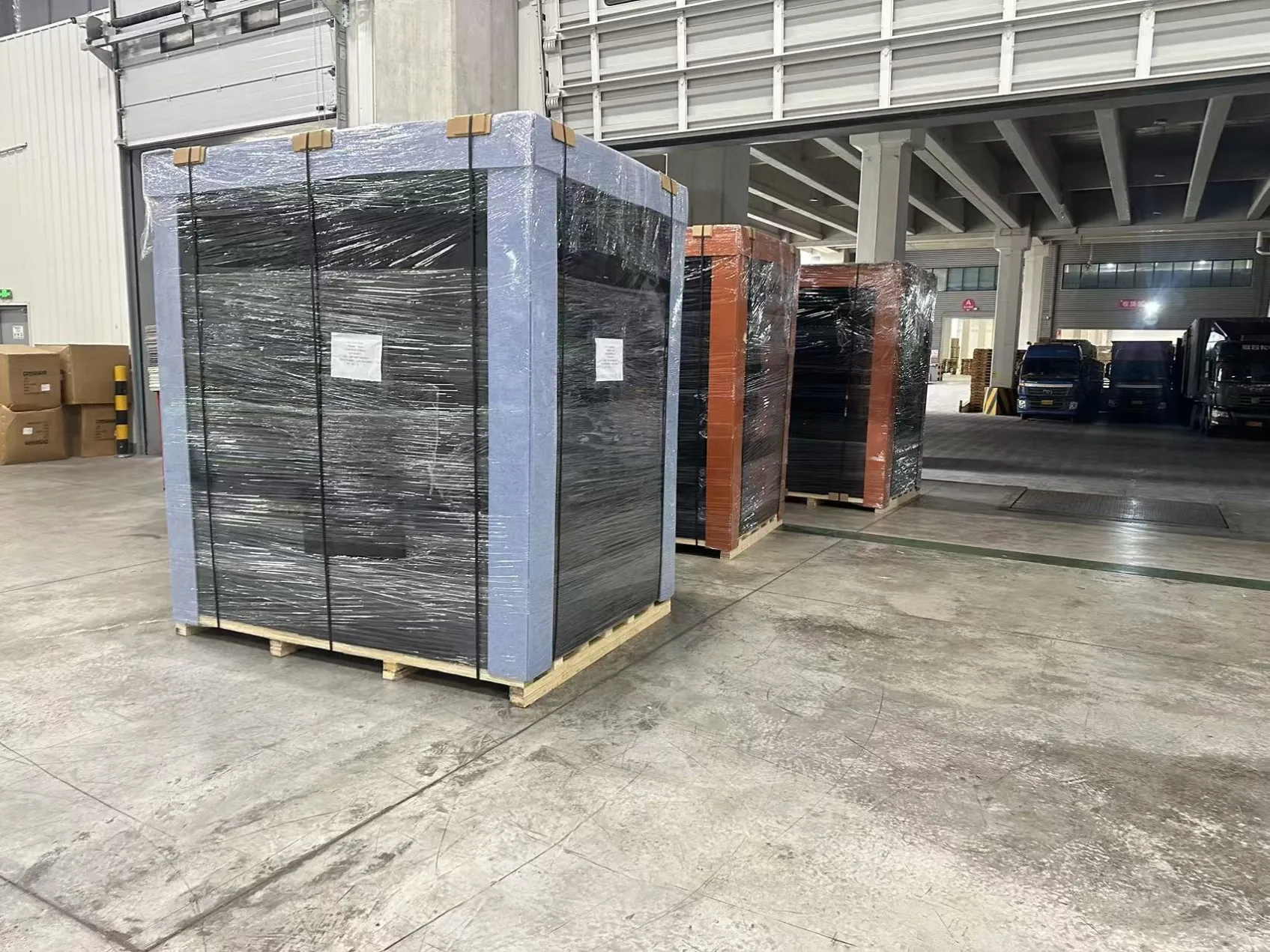
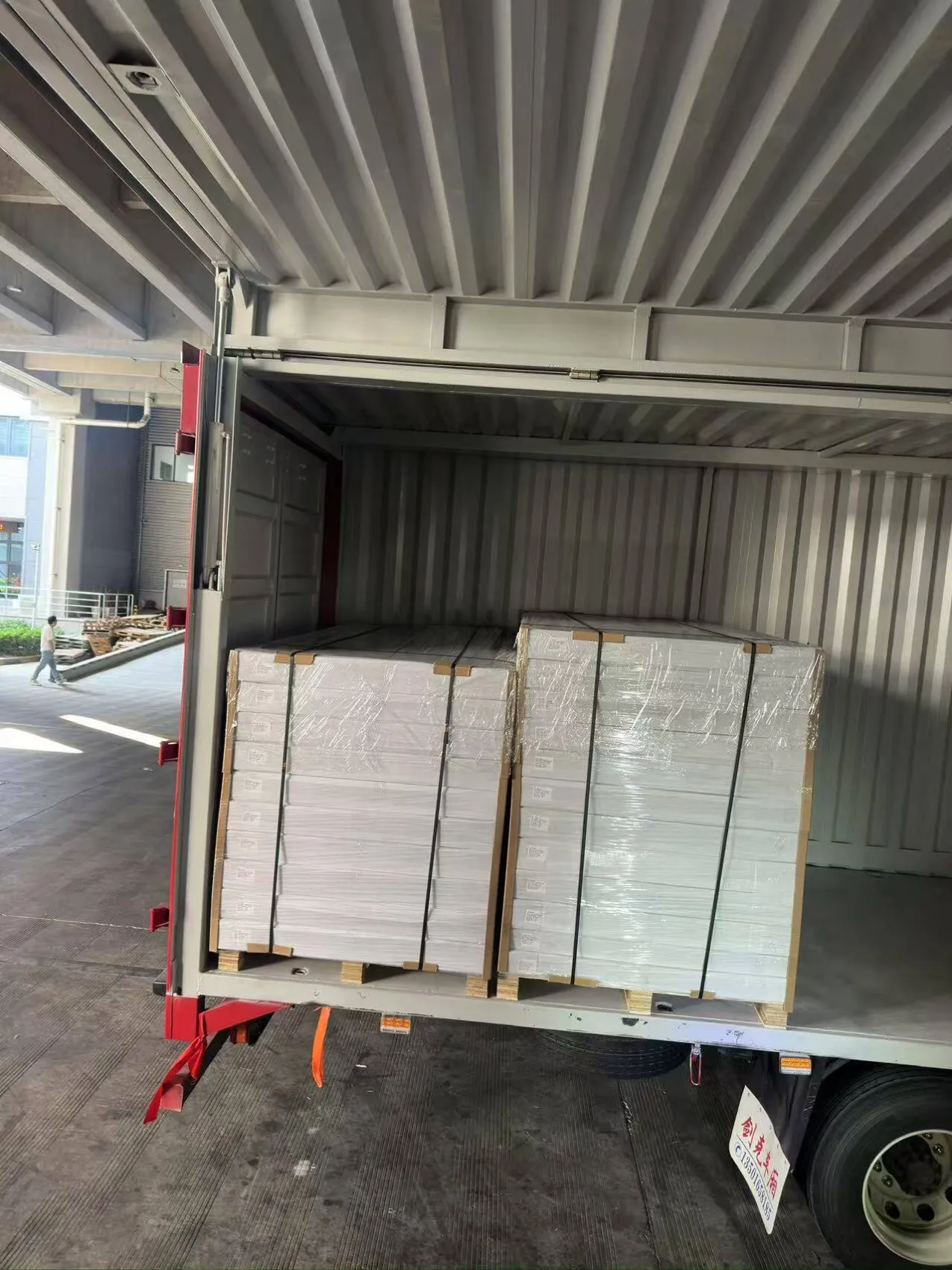
For example, a customer may receive PET felt panels with a combination of plastic film, corner protection, cartons, pallets and other protective materials.
Each item may have a purpose.
But it is worth asking:
Do we need all of them for this particular shipment?
The answer can be different for a local delivery, a short-distance shipment and a long sea shipment.
It can also be different for coloured decorative panels and black panels used as backing material.
Packaging should be designed around the actual transportation risk, not simply copied from one order to another.
Reduce Unnecessary Plastic Where Possible
One simple area to review is plastic packaging.
Plastic film can be useful for protecting PET felt from dirt and moisture during transportation.
But using more film does not automatically mean better protection.
The goal should be to use enough packaging to protect the product, without adding unnecessary layers.
This is where communication between the buyer and supplier can help.
Instead of saying:
“Please use less plastic.”
It is better to discuss:
“Which plastic protection is necessary for this shipment, and which part can we remove or reduce?”
This makes the conversation more practical.
For example, if the panels are already protected by a suitable outer carton, an additional layer of packaging may not always be necessary.
The right solution depends on the product, packing method and transportation conditions.
Packaging Optimization Can Also Improve Loading Efficiency
Sustainable packaging is not only about reducing plastic.
It is also about using space better.
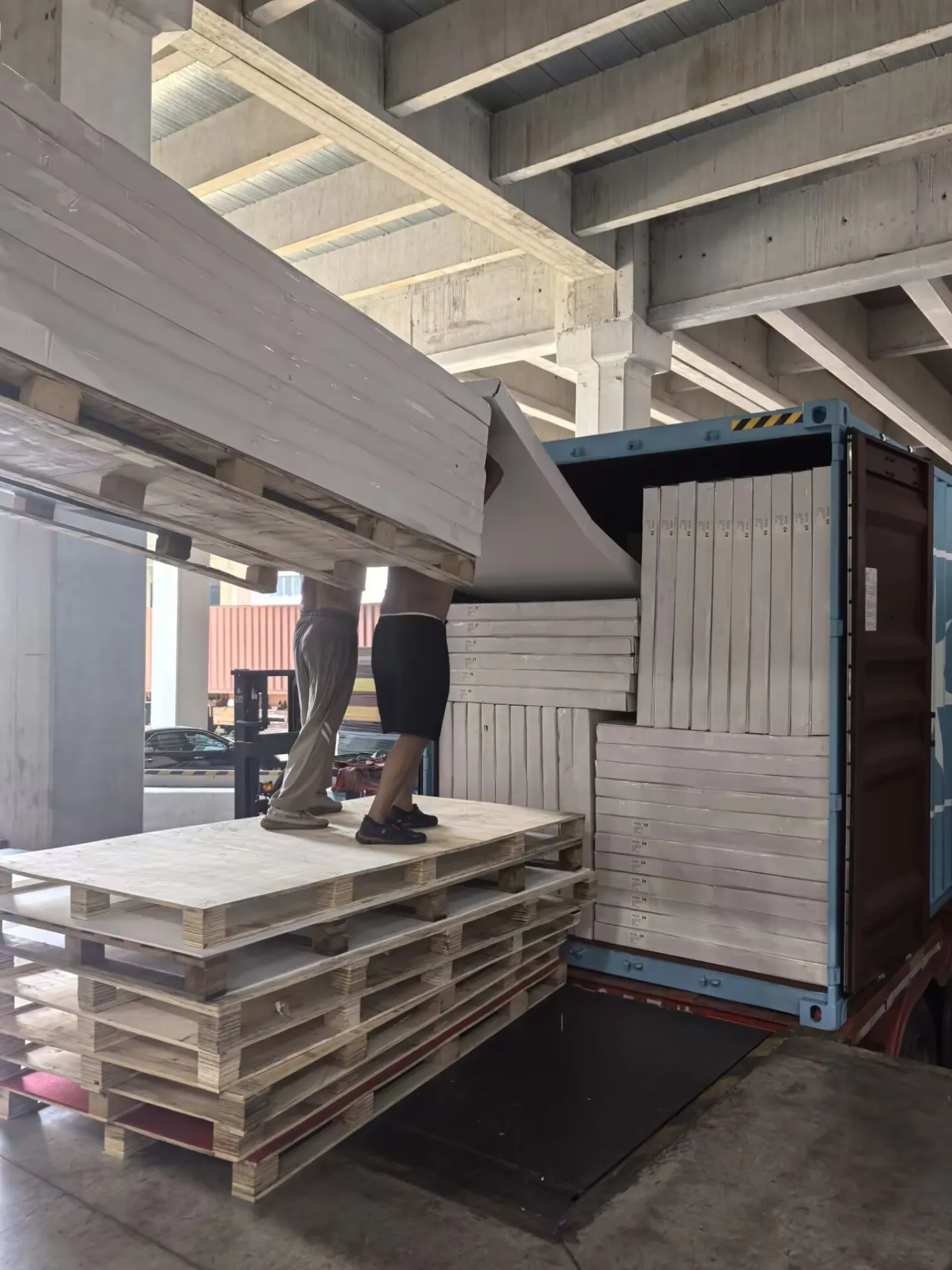
For PET felt panels, the packing method can affect how many sheets can be loaded into a container and how much empty space is left around the cargo.
If packaging is unnecessarily large, you may be shipping packaging material and empty air instead of your actual product.
This is not efficient.
A better approach is to look at the complete packing arrangement:
- How many sheets are packed together?
- What carton size is being used?
- How much space is left between packages?
- Are pallets really necessary for this shipment?
- Can the packaging protect the panels while using less space?
These questions are useful for both the buyer and the supplier.
Sometimes, a small change in carton size or packing arrangement can make the whole shipment more efficient.
But Do Not Remove Packaging Just to Reduce Waste
This point is important.
Reducing packaging should not mean removing protection that the product actually needs.
PET felt panels can be damaged by poor handling and unsuitable packing.
Panels can bend during transportation. Corners can be damaged. Surfaces can become dirty or scratched.
If reducing packaging causes more damaged products, the result is not really better.
You may save some packaging materials but create product waste, replacement shipments and additional transportation.
So I prefer to think about packaging this way:
Use less unnecessary packaging, but keep the packaging that protects the product.
The target is optimization, not simply using the smallest possible amount of packaging.
Discuss Packaging Before the Order
In my experience, packaging is easier to optimize before production starts.
If a European buyer has a specific packaging requirement, it is better to discuss it when confirming the order.
For example:
- Carton or pallet?
- Individual protection or bulk packing?
- Plastic film required or not?
- Corner protection required?
- Maximum package weight?
- Warehouse handling requirements?
- Container loading requirements?
These details may look small.
But when you are buying hundreds or thousands of PET felt panels, small packaging decisions become much more important.
The supplier also needs to understand how the customer will unload, store and move the panels after arrival.
A packaging method that works well for one customer may not be the best choice for another.
Packaging Should Be Part of the Purchasing Discussion
When buying PET felt panels, it is common to compare suppliers by price per sheet.
But the real purchasing cost is more than the product price.
Packaging, loading efficiency, transportation, warehouse handling and damaged goods can all affect the final cost.
This is why I think European buyers can have a better discussion with suppliers by asking not only:
“What is your price?”
but also:
“How will you pack the panels, and can we optimize the packaging for our shipment?”
This creates a more useful conversation.
It also gives the supplier a chance to suggest practical changes based on the actual order.
A Practical Approach for PET Felt Buyers
If you are buying PET felt panels regularly, you do not need to change everything at once.
Start with one shipment.
Look at the packaging after the container arrives.
How many cartons were used?
How much plastic film was used?
Was every part of the packaging necessary?
Was there a lot of empty space?
Were the panels well protected?
Then discuss the result with your supplier before the next order.
This is a much more practical way to improve packaging than simply asking for “more sustainable packaging”.
Sustainable packaging is not always about finding a completely new material.
Sometimes it starts with a simpler question:
Can we protect the same product with less unnecessary packaging?
For PET felt buyers and suppliers, this can be a good place to start.
If you are buying PET felt panels for regular import, send us your panel size, quantity, destination and current packing requirements.
We can discuss the packing method together and see whether there is room to improve packaging efficiency, reduce unnecessary plastic and make better use of container space, while still protecting the panels during transportation.
Sometimes, the best packaging improvement is not adding a new material.
It is simply removing something that was not necessary in the first place.
More related pages:
📩 Send us your project drawings or specifications, and we will respond with a clear quotation and production suggestion within 24 hours.
Email: info@hengmy.com