Sep 7, 2026Services Overview
PET Felt vs Acoustic Foam: Which Material Is Best for Your Project?
Choosing between PET felt panels and acoustic foam? Compare rigidity, design, installation, and shipping costs to find the right acoustic material for your project.
PET Felt Acoustic Panels vs Acoustic Foam: Which Material Is Better?
When looking for an acoustic material, many buyers will compare PET felt acoustic panels and acoustic foam.
At first, they may look like two similar products. Both can be used to help absorb sound, and both are available in different thicknesses.
But they are actually quite different materials.
The better choice depends on what you are making, where the material will be installed and how it needs to be processed.
As a PET felt supplier, we also supply lightweight polyester fiber acoustic material for some engineering applications. From our experience, these two types of material are better suited to different situations.
So instead of asking which one is “better”, I think it is more useful to ask:
Which material is better for your application?
1. The Material Difference: Rigid vs. Soft
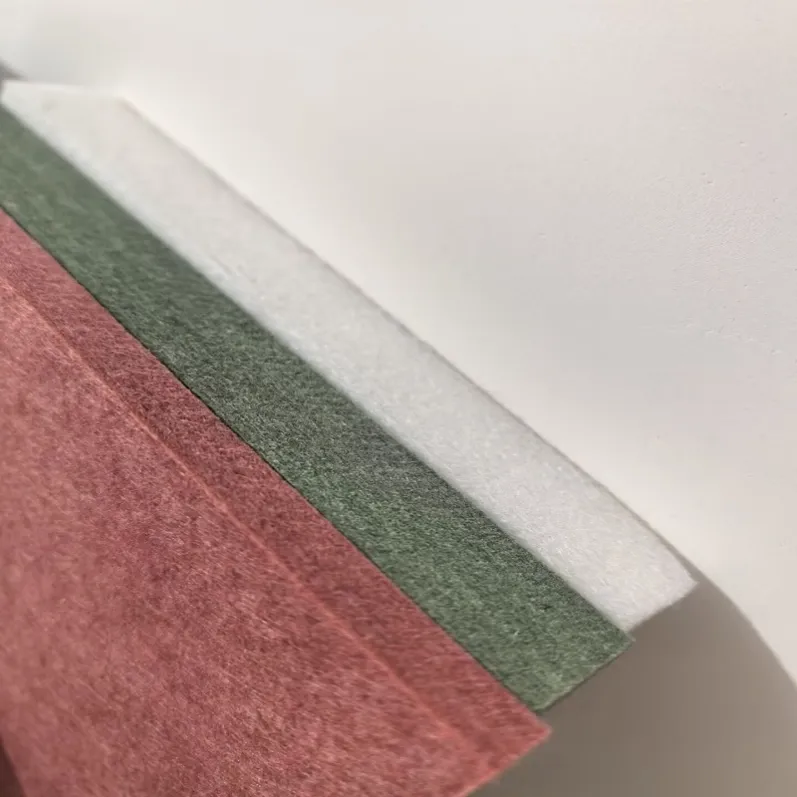
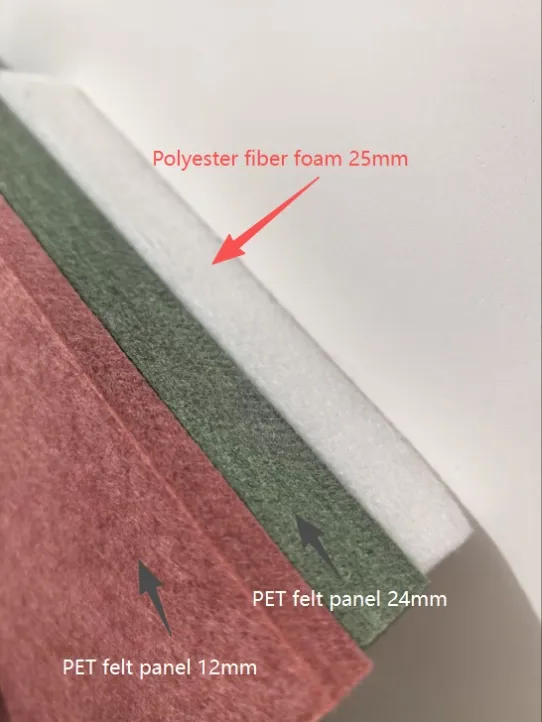
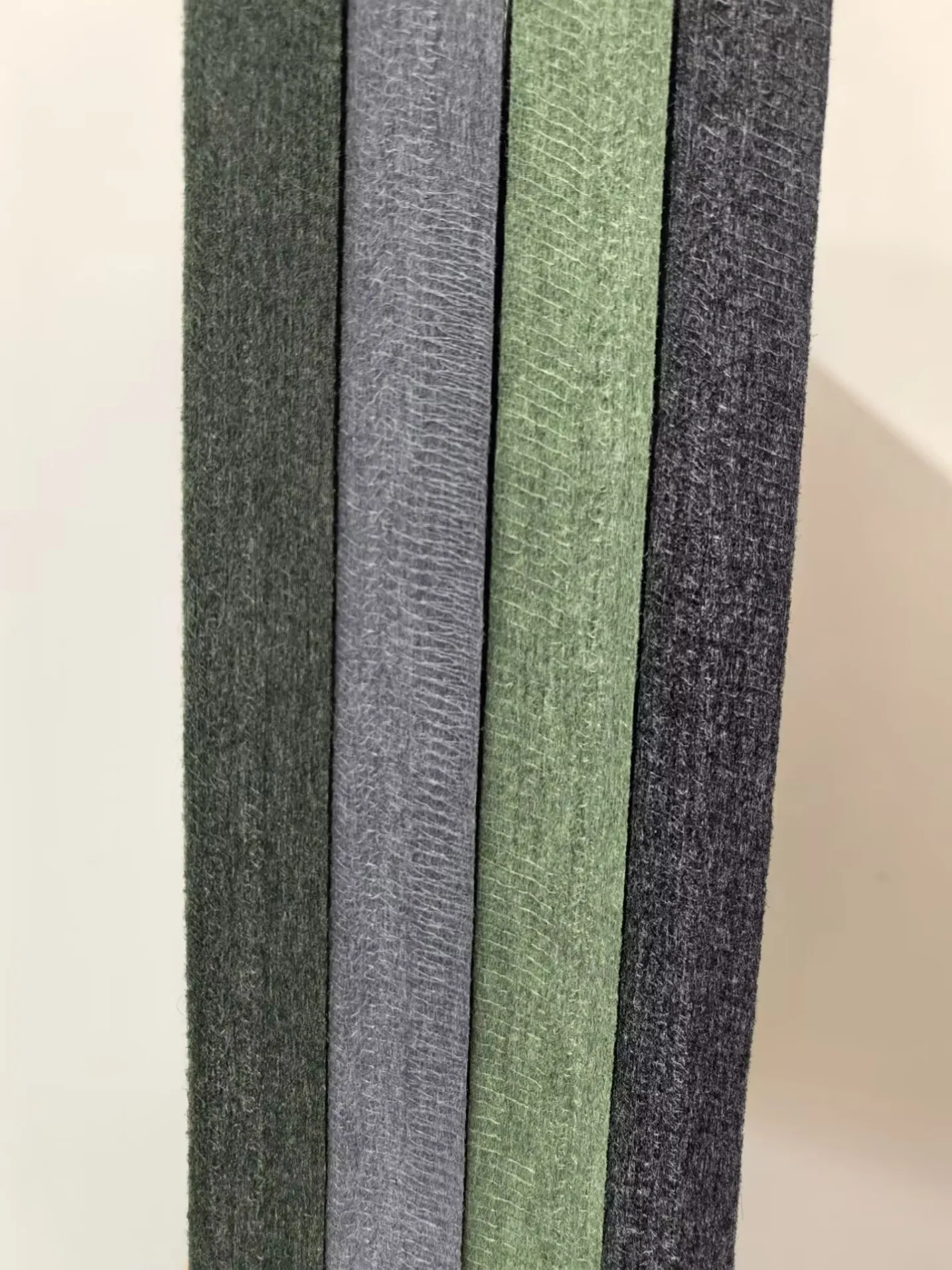
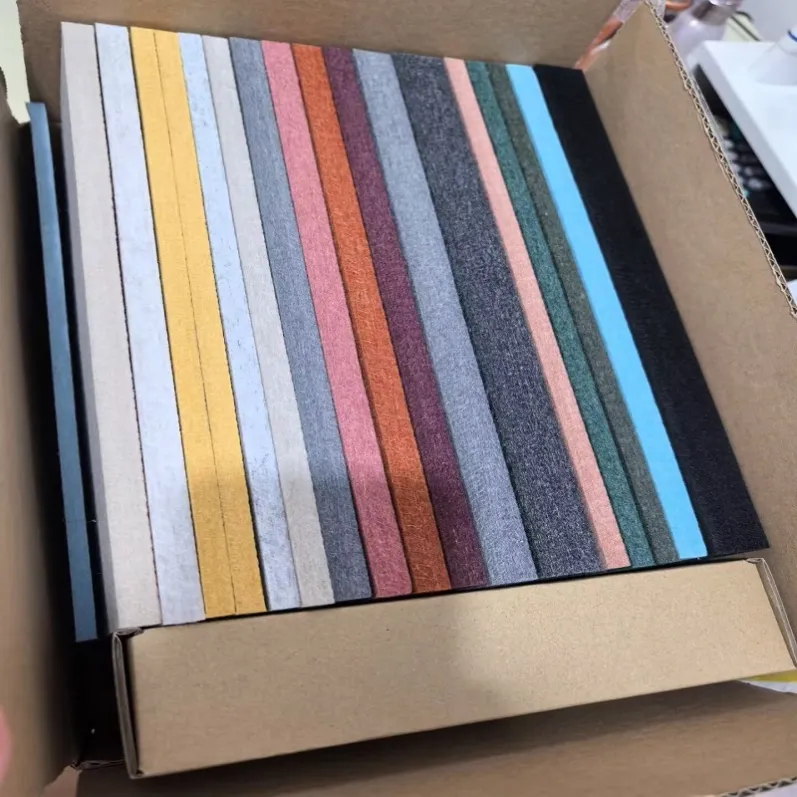
PET felt acoustic panelsare high-density boards made from polyester fiber. They are firm, have a smooth surface, and can stand alone as a structure.
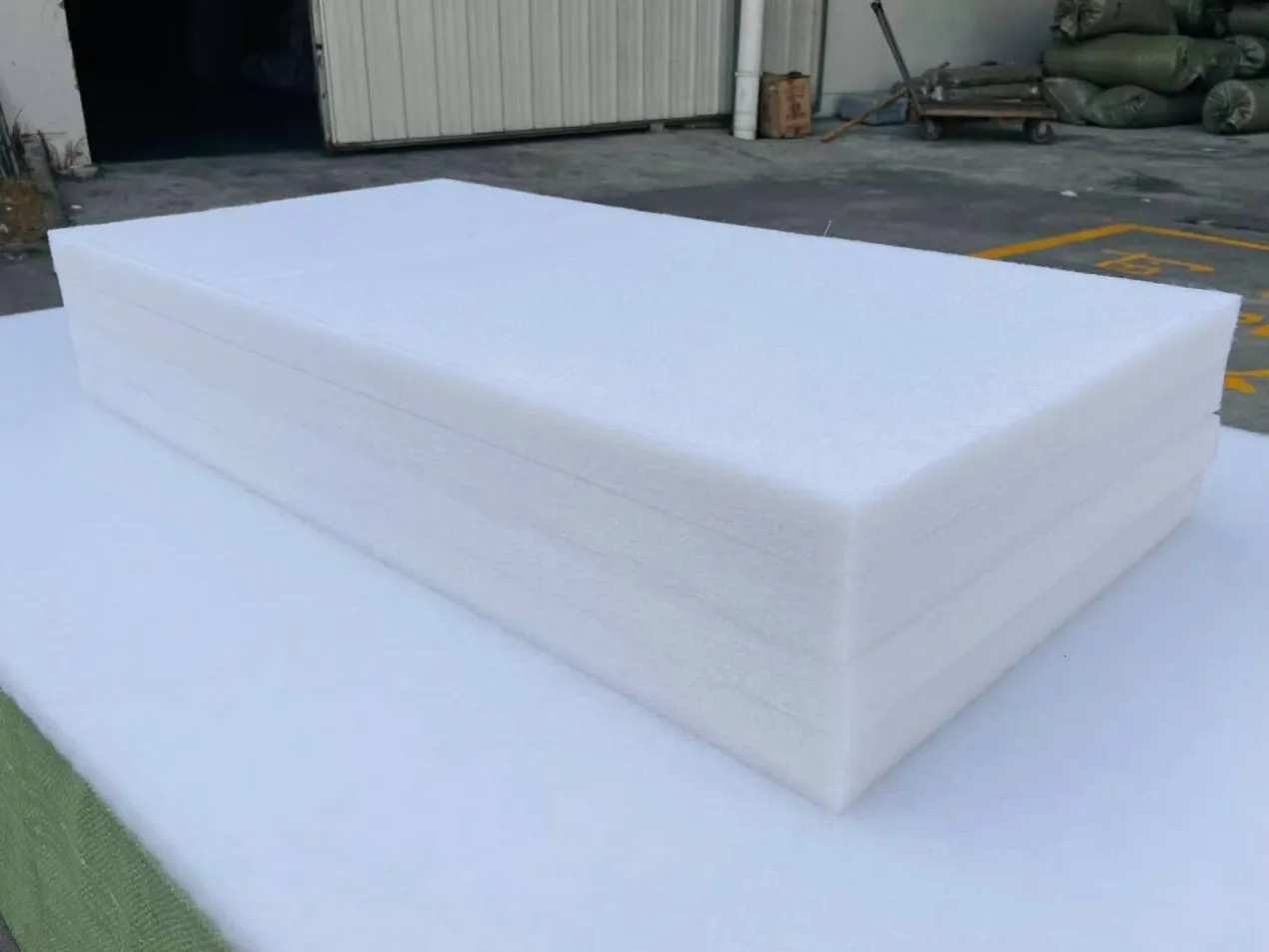
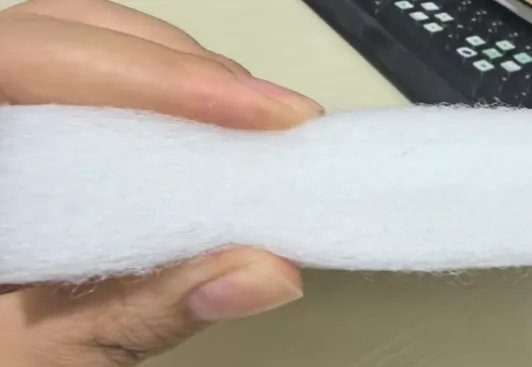
Acoustic foam (or our Polyester Fiber Cotton)is much lighter and "fluffier."
- Thickness:Usually 20mm, 25mm, or 50mm.
- Density:We can produce from 1000gsm to 3000gsm. 1000gsm and 2000gsm are the most common for 50mm thickness.
A professional tip from our production line:
While many customers prefer Blackfor engineering projects, the Whitefiber actually has better physical properties and elasticity.
This is because the white raw fiber maintains better structural integrity during the thermal bonding process.
However, for most "hidden" applications, black is still the top choice to avoid light reflection.
2. When PET Felt Panels Are the Better Choice
If the material will be visible, PET felt is almost always the winner. It is not just an acoustic absorber; it is a design element.
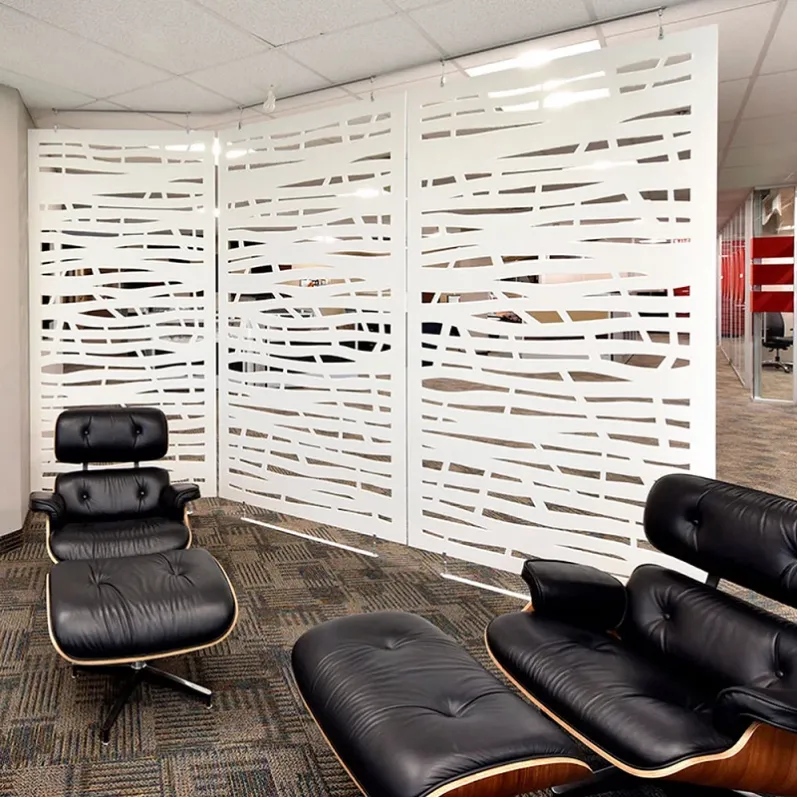
- Design Flexibility:PET felt can be CNC-cut into patterns, V-grooved, or made into 3D shapes.
- Durability:It is impact-resistant. If someone bumps into a wall covered in PET felt, it won't tear or dent easily.
- Applications:Office workstation dividers, decorative wall panels, ceiling baffles, and acoustic furniture.
If you are a furniture manufacturer or an interior designer, PET felt gives you a "finished" look that foam simply cannot match.
3. When Lightweight Fiber Cotton Makes More Sense
There are projects where you don't need a beautiful, rigid panel. You just need to fill a space with sound-absorbing material.
- Hidden Applications: If you are installing material inside a wall cavityor behind a stretch-fabric system.
- Layering: Sometimes, our customers use a layer of 25mm or 50mm fiber cotton and then cover it with a thin layer of PET felt or decorative fabric.
- Engineering Projects: For large-scale construction where the goal is maximum absorption at a lower material cost per square meter.
In these cases, the "softness" of the fiber cotton is actually an advantage—it's easier to stuff into irregular gaps.
4. The "Hidden" Factor: Shipping and Volume
This is a point many international buyers overlook until they see the freight quote.
PET felt panelsare dense. You can fit a lot of square meters into a container.
Lightweight fiber cotton(the 50mm "fluffy" type) is very high-volume but low-weight.
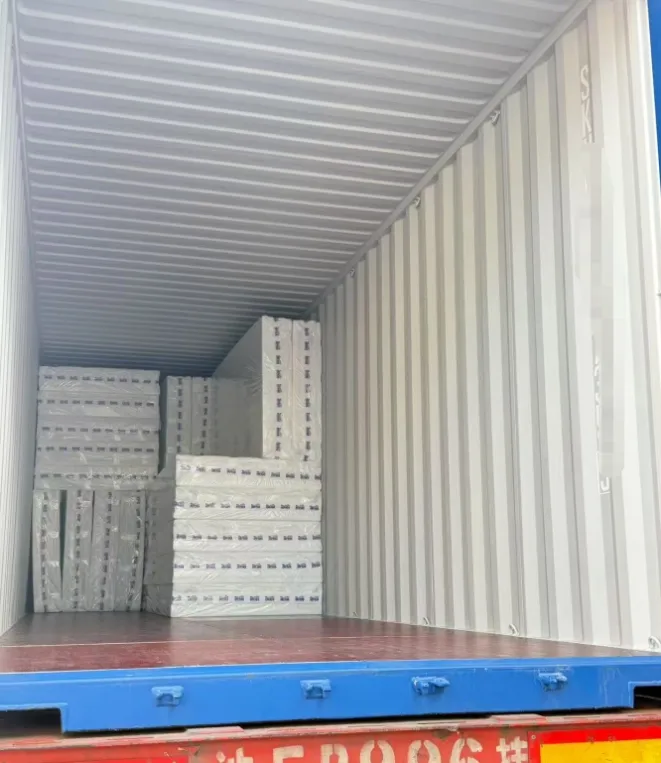
For example, a 40HQ containercan only fit about 400+ sheetsof 50mm fiber cotton (1200x2400mm). Because the material is so "poofy," you are mostly paying to ship air. For export orders, this often makes the "cheaper" material more expensive once landed in your warehouse.
Packing Tip:For our domestic market, we use woven bags. But for international B2B clients, we use clear PE film(e.g., 5 sheets per bundle for 50mm). It looks much more professional and protects the fibers better during long-term sea transit.
5. Summary Comparison
Feature | PET Felt Acoustic Panel | Polyester Fiber Cotton (Foam) |
Appearance | Decorative, smooth, many colors | Industrial, black or white |
Rigidity | Rigid, can be a desk screen | Soft, needs support or covering |
Processing | Excellent for CNC cutting | Hard to cut into precise shapes |
Thickness | 9mm, 12mm, 24mm (Standard) | 25mm, 50mm (Standard) |
Best For | Interior Design, Furniture | In-wall, Engineering, Filling |
Which One Should You Choose?
It comes down to the application.
- Choose PET Feltif the material is part of the "face" of the room or a piece of furniture.
- Choose Fiber Cottonif you are filling a wall and need thickness (25mm/50mm) at a lower material price point.
Not sure which density or thickness fits your project?
We don't just sell sheets; we help you solve acoustic problems.
Tell us about your application, or send us your project drawings. We can help you calculate the most cost-effective way to achieve your acoustic goals while keeping shipping costs under control.
More related pages:
📩 Send us your project drawings or specifications, and we will respond with a clear quotation and production suggestion within 24 hours.
Email: info@hengmy.com