The Hidden Reason Some PET Felt Printing Looks Cheap
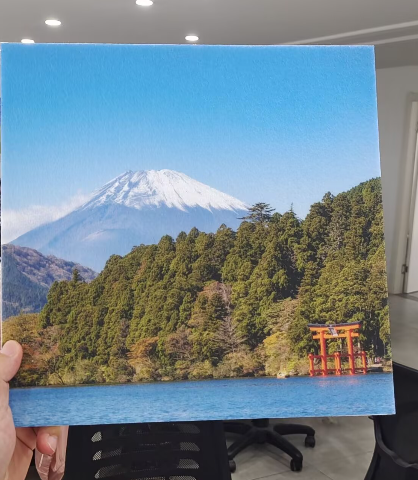
Many PET felt printing problems are not caused by the printer or ink. A small detail like fiber length can completely change how sharp, clean, or “premium” the final printing looks.
Many PET felt printing problems are not caused by the printer or ink. A small detail like fiber length can completely change how sharp, clean, or “premium” the final printing looks.
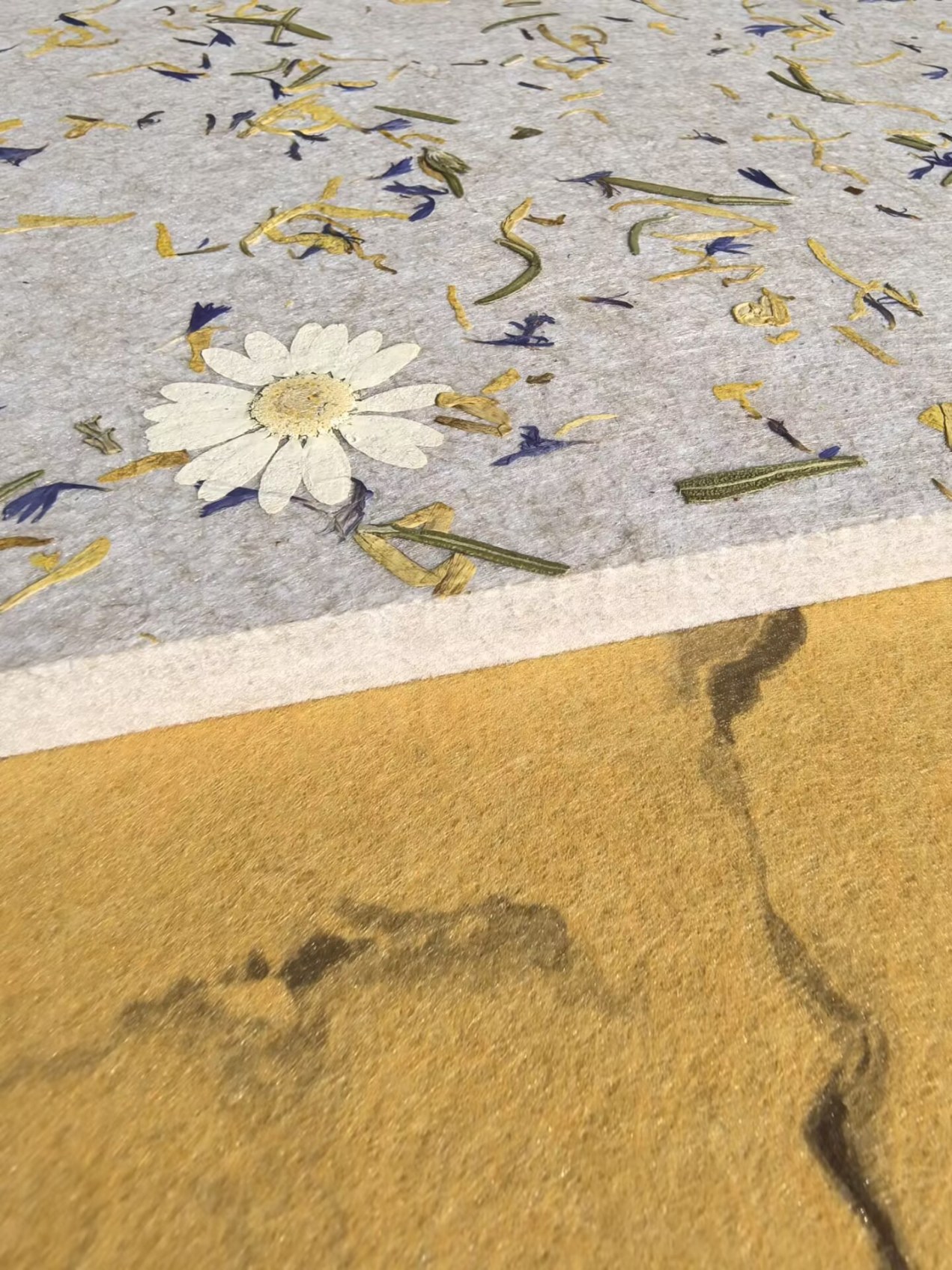
This article explains how hot pressing affects PET felt printing quality, what trade-offs buyers should understand, and why surface preparation is important before mass production.

This article explains why surface quality matters in PET felt printing, what buyers should evaluate before production, and how to reduce common printing risks in decorative acoustic panel projects.

Improving PET felt printing quality often changes material texture and acoustic feeling. Learn how to balance printing performance and material appearance in real projects.

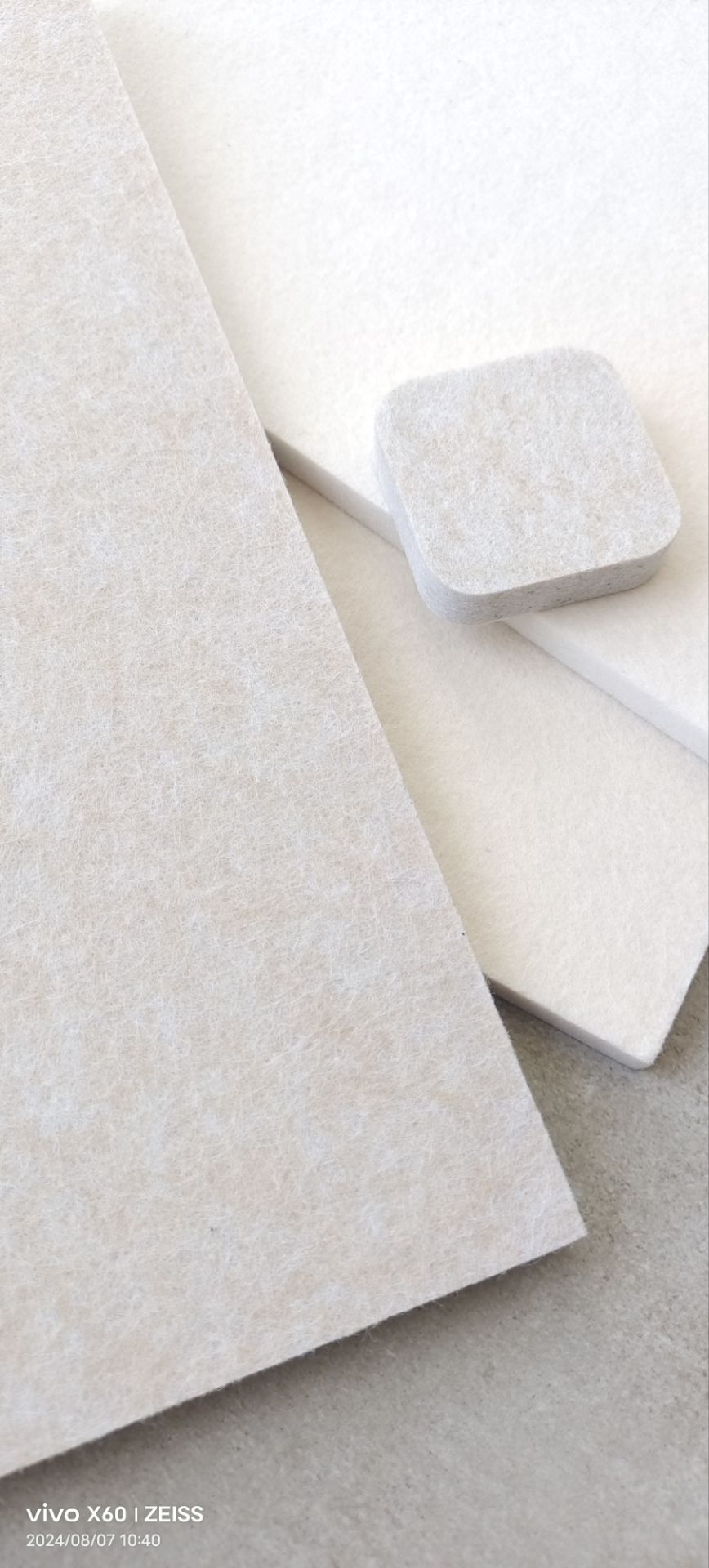
Common PET felt printing issues such as uneven ink absorption or unclear white ink are often related to surface structure, not printer settings. Learn how PET felt surface affects printing results.

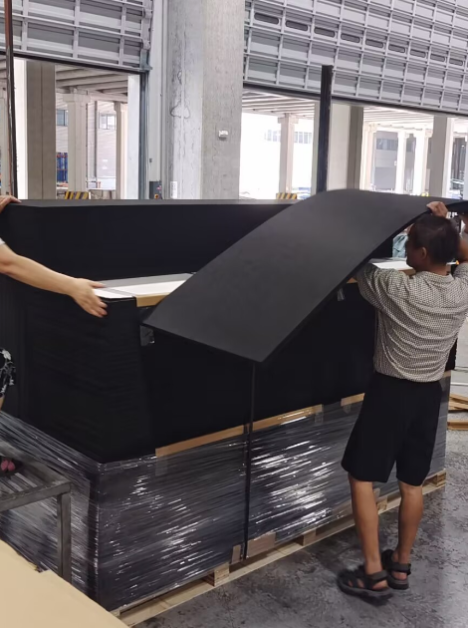
PET felt panels can bend or develop pressure marks during transport if packaging does not match material behavior. Learn practical solutions for stable delivery.

Fast lead time is attractive, but experienced buyers want more than a promise. Learn what design firms, contractors, and distributors really need to know when sourcing custom PET acoustic panels.

Installers may not always choose the supplier, but they often understand real project problems better than anyone else. Learn why their feedback matters when sourcing PET acoustic panels.

Many acoustic panel problems do not come from the material itself. They come from the gap between design drawings and real installation conditions.