Jun 26, 2026News & Insights
PET Felt Printing Quality vs Material Feeling: How Surface Choice Affects Final Interior Design Results
Improving PET felt printing quality often changes material texture and acoustic feeling. Learn how to balance printing performance and material appearance in real projects.
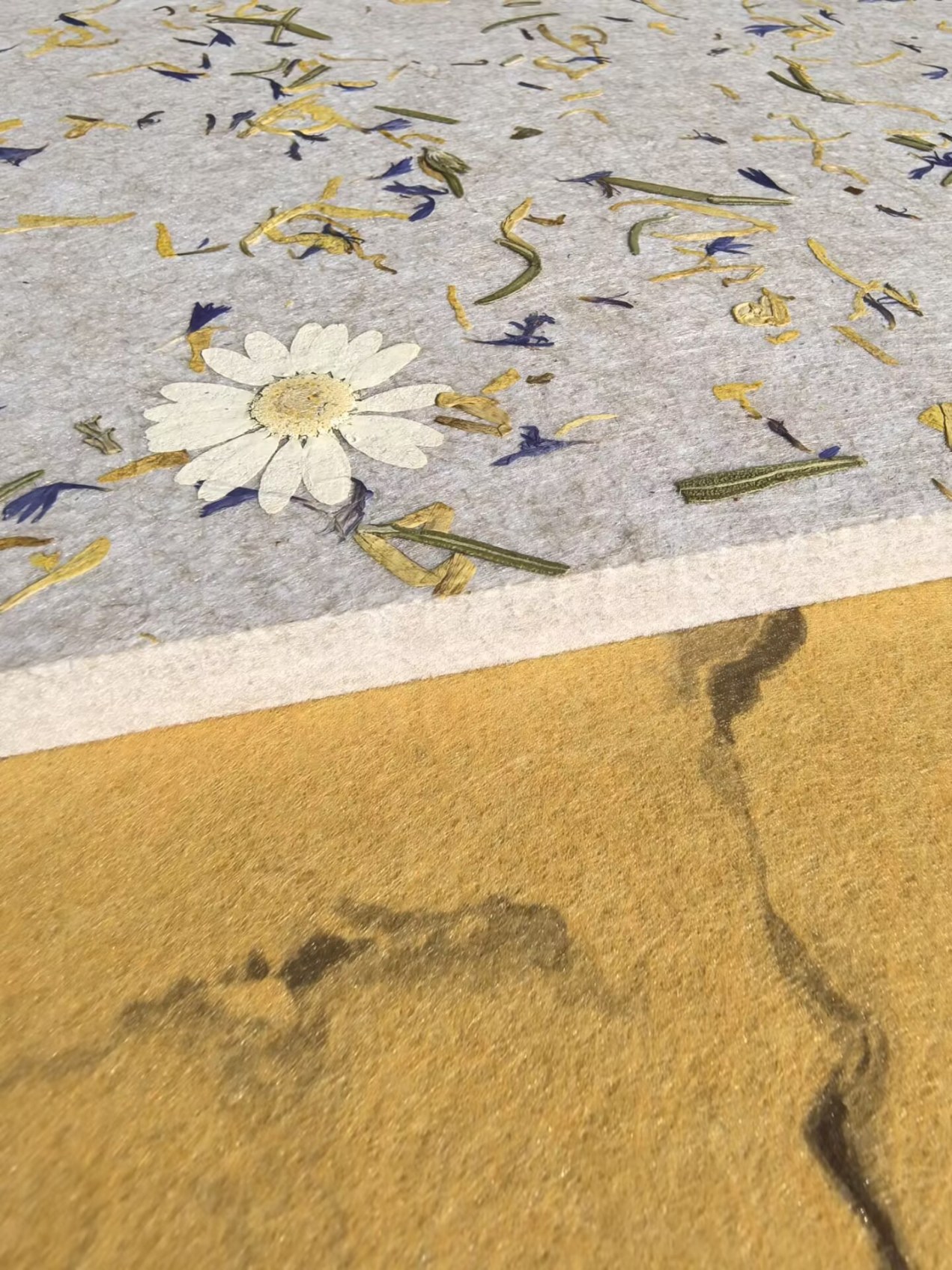
PET Felt Printing Quality vs Material Feeling: The Hidden Trade-Off in Acoustic Panel Projects
PET Felt Printing Quality vs Material Feeling: How Surface Choice Affects Final Interior Design Results
Introduction
In PET acoustic panel projects, printing quality is often considered the main performance indicator.However, in real interior applications, printing is only one part of the final evaluation.
There is another important factor:
👉 material feeling and acoustic character
In many cases, improving printing quality may affect material perception.
The Hidden Trade-Off in Printing Optimization
To improve printing clarity, manufacturers often use:
- smoother PET felt surfaces
- hot-pressed compact panels
- higher density material structures
These changes usually result in:
- better ink stability
- sharper printing definition
- more consistent visual output
However, at the same time, material characteristics may change.
How Surface Changes Affect Perception
A more compact surface can:
- reduce visible fiber texture
- improve printing sharpness
- create more “technical” appearance
But it may also:
- reduce soft felt feeling
- change acoustic visual identity
- make material feel closer to plastic-like surface
This is a common observation in real interior projects.
We discussed surface smoothness and fiber control in another article here:
Why This Trade-Off Is Often Overlooked
Many users focus mainly on printing results because:
- they are visually measurable
- they can be compared easily
- they are directly linked to design approval
However, material feeling is experienced only after installation.
This delay often leads to unexpected feedback:
- “Printing is better, but material feels different.”
Real Project Decision Logic
In real PET felt applications, selection is usually based on priority:
Priority 1: Visual Printing Performance
- sharp graphics
- stable color output
- clean surface appearance
→ Suitable for branding or graphic-heavy interiors
Priority 2: Material & Acoustic Identity
- natural fiber texture
- soft visual appearance
- acoustic-friendly aesthetic
→ Suitable for architectural or ambient design projects
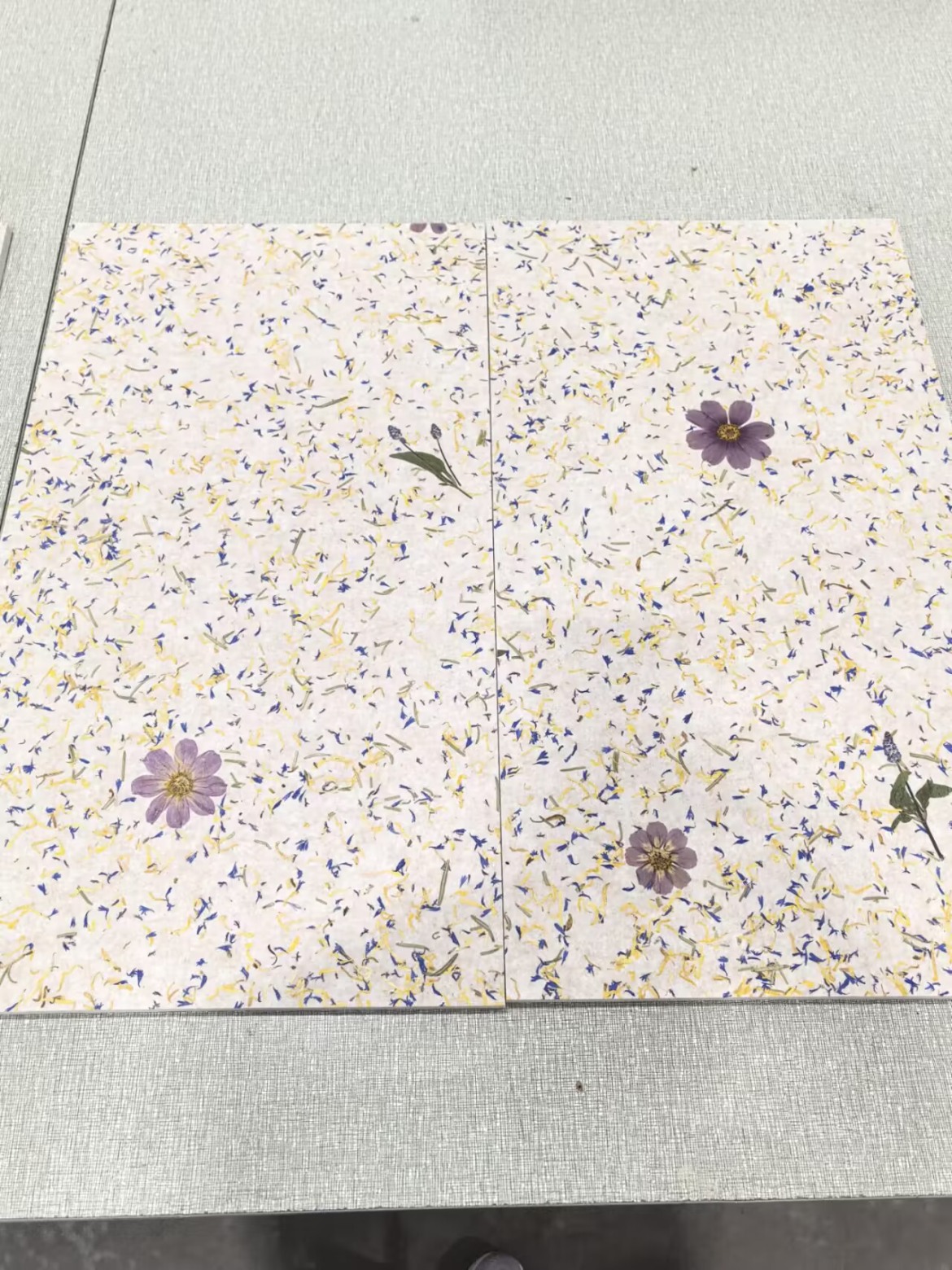
Why There Is No Single Best Solution
PET felt panels are not only printing substrates.
They are also interior materials that interact with space, light, and perception.
This means:
- improving printing quality may reduce natural texture
- improving texture may reduce printing sharpness
Both are valid design directions.
In PET felt printing projects, quality should not be defined only by printing clarity.
It should be defined by balance between:
- visual performance
- material character
- application purpose
The best solution is always the one that fits the project requirement, not the one that maximizes a single parameter.
If you are evaluating PET felt panels for printing applications, we can help you compare different surface types based on your design requirement and expected visual outcome.
This helps reduce mismatch between printing result and final interior expectation.
#PETFelt #AcousticPanels #PrintingTechnology #InteriorDesign #MaterialSelection
More related pages:
Email: info@hengmy.com Will respond in 24 hours.