Jun 26, 2026News & Insights
Why PET Felt Acoustic Panels Often Require More Material Than the Installed Area
Why PET felt acoustic panel projects often require more material than the installed area. Learn how CNC cutting, sheet size, and panel design affect material waste.
Why Your PET Felt Acoustic Panel Project Uses More Material Than Expected
Many clients ask us one question during production:
“Why is the material quantity higher than the installed area?”
They calculate the wall area.
They check the drawings.
Everything looks correct.
But when production quotation comes, material consumption is higher.
This situation is very common in custom PET felt acoustic panel projects.
And most of the time, the reason is not what people think.
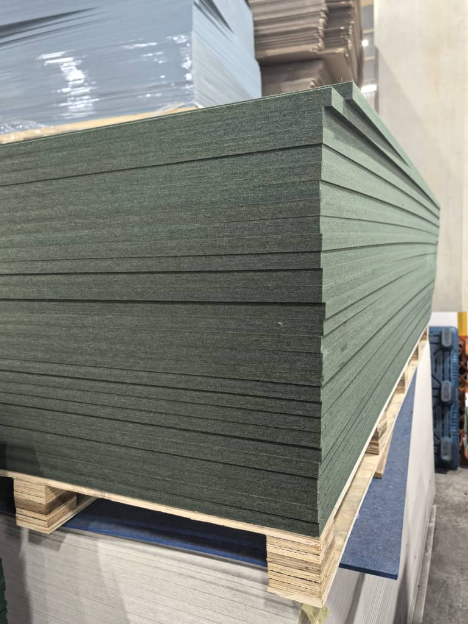
PET Felt Panels Are Produced From Standard Sheet Size
Most PET felt acoustic panels are produced in standard sheet sizes:1220 × 2440 mm or 1200 × 2400 mm
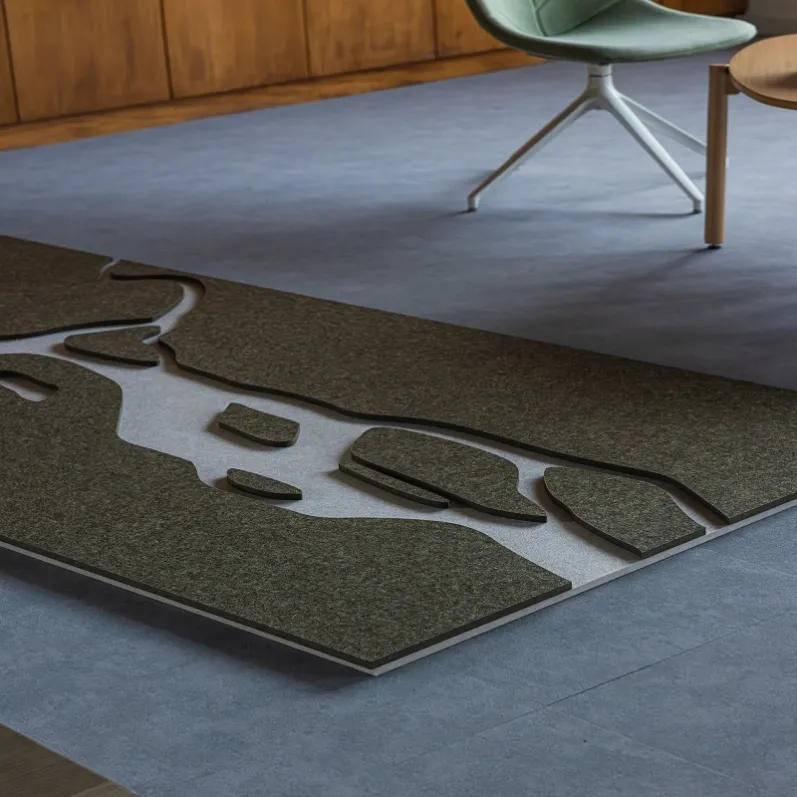
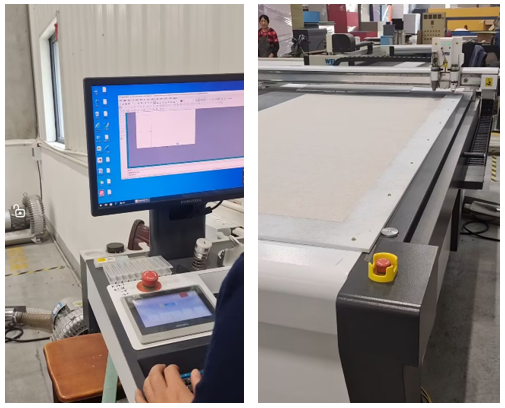
When your project design uses special shapes, curves, or non-standard module sizes, the panels must be CNC cut from these full sheets.
After cutting, there are offcuts.
Some offcuts are reusable.
Many are not.
Especially when:
- The design has irregular geometry
- There are deep grooves or slot patterns
- Panel size does not align with sheet width
- Each panel is different (no repetition)
In this case, material waste increases naturally.
It is not a mistake.
It is manufacturing logic.
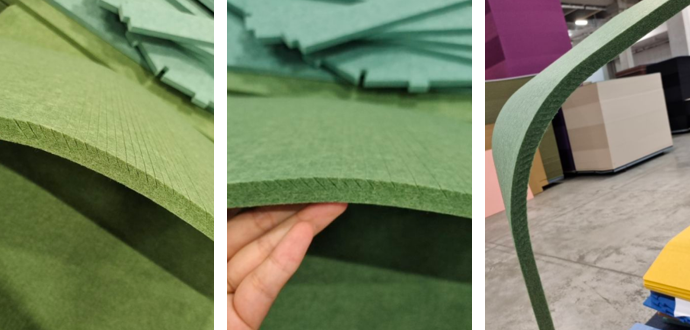
Complex Design Is Not the Real Problem
Many designers worry:
“Is my pattern too complicated?”
Actually, complexity is not the biggest issue.
The real problem is when manufacturing is involved too late.
If production review happens only after drawings are confirmed, optimization space becomes small.
But if we check nesting layout earlier, sometimes small adjustment can improve sheet utilization by 5–15%.
For example:
- Slightly adjust panel width to match 1200 mm sheet
- Align repeat pattern to reduce offcut gap
- Plan cutting sequence based on sheet direction
These changes usually do not change the visual design.
But they reduce waste and cost.
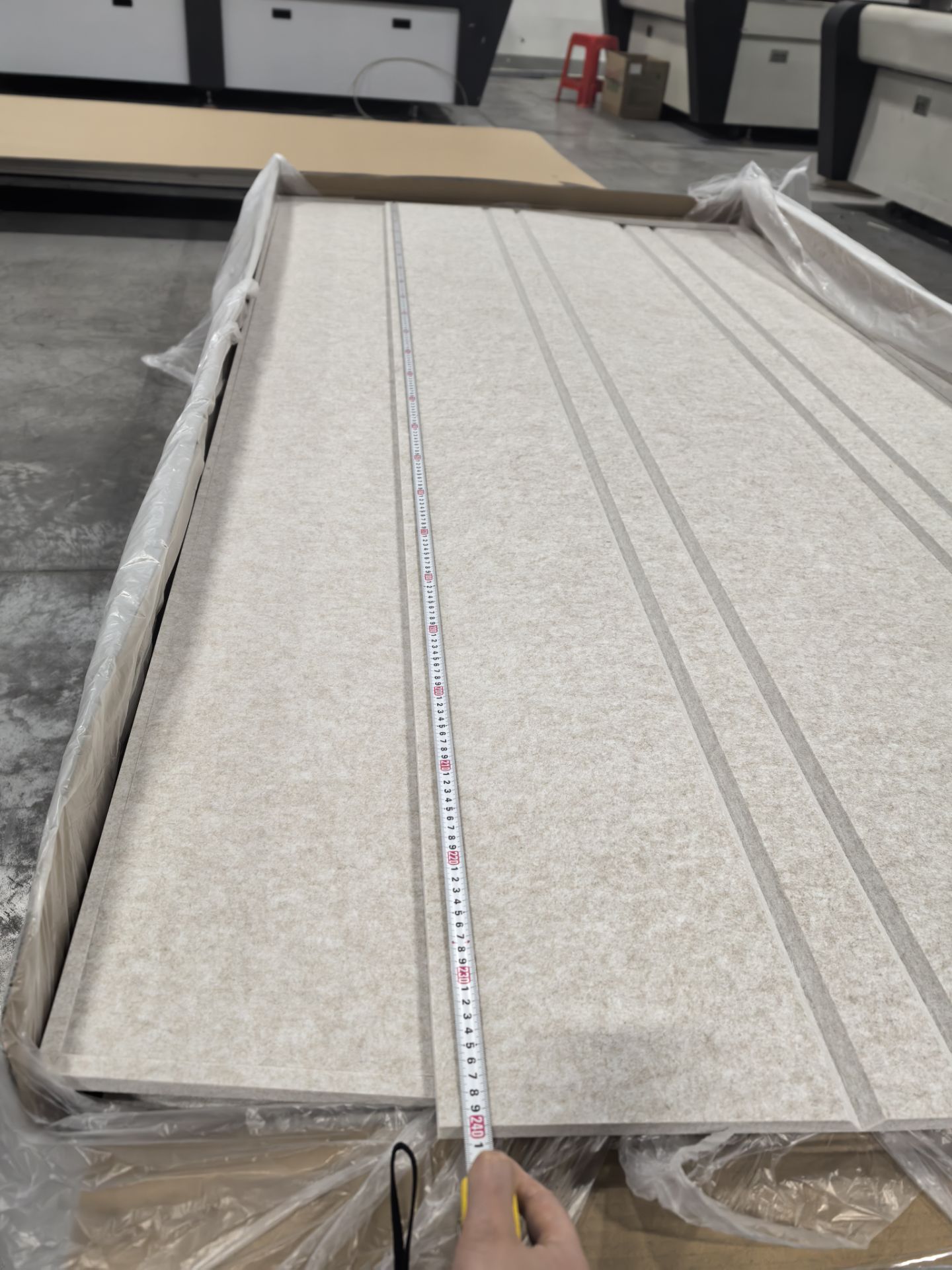
Laminated PET Felt Panels vs Solid Panels — Why It Matters for CNC Cutting
Another issue we often see is misunderstanding about laminated panels.
For example:12+12 mm laminated PET felt panel vs 24 mm single-layer PET felt panel
Thickness looks same.
But internal structure is different.
When doing deep CNC carving or narrow slot cutting, laminated panels may expose glue line inside.
This can affect:
- Edge strength
- Cutting stability
- Long-term durability
If the design includes deep patterns, it is important to confirm panel structure before production.
Not all 24 mm panels behave the same.
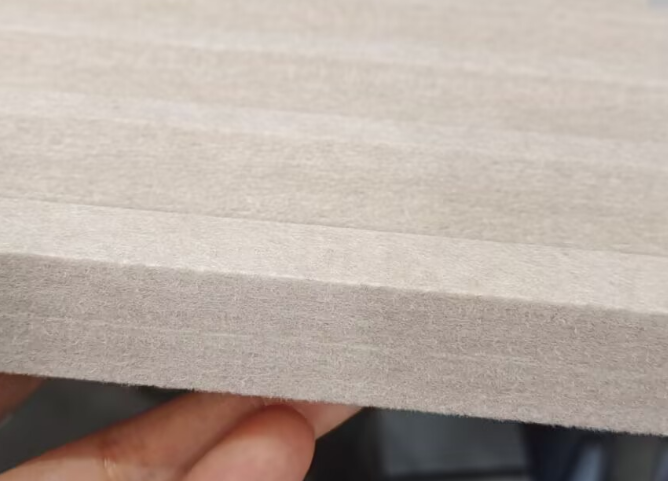
How to Reduce PET Felt Panel Material Waste
If you are planning a custom PET acoustic panel project, we suggest checking these points before final confirmation:
- Confirm sheet size used in factory
- Review panel module dimension vs sheet width
- Ask supplier to show nesting layout
- Check if laminated structure is suitable for deep CNC cutting
- Estimate waste percentage during quotation stage
Early communication can avoid later cost surprise.
Once production starts, adjustment becomes difficult.
Frequently Asked Questions
Why does my PET felt panel quotation show more material than my wall area?
Because panels are cut from full sheets. If shapes are irregular or sizes do not align with sheet dimension, material waste increases.
Can waste be reduced without changing the design?
In many cases yes. Small dimension adjustment or layout optimization can improve material usage significantly.
Is laminated PET felt panel weaker than solid panel?
Not necessarily weaker, but laminated structure behaves differently when deep CNC cutting is applied. It depends on design pattern.
How much waste percentage is normal?
For standard rectangular panels, waste may be low.For custom irregular panels, 10–20% waste is common depending on layout.
Before You Confirm Production
If you are sourcing PET felt acoustic panels and want to:
- Reduce material waste
- Optimize cutting layout
- Confirm laminated vs solid panel suitability
- Avoid unexpected cost increase
We can review your drawing and provide technical suggestion before production.
Send us your layout file, and we will check nesting efficiency and structure compatibility.
Early review is always cheaper than re-production.
More pages related