Jul 28, 2026Services Overview
How to Choose a Reliable PET Felt Acoustic Panel Manufacturer
Learn how to choose a reliable PET felt acoustic panel manufacturer by evaluating material quality, production capability, customization, packaging, and communication.
How to Choose a Reliable PET Felt Acoustic Panel Manufacturer
Choosing a PET felt acoustic panel supplier is not only about finding the lowest price.
For many importers, distributors, and acoustic brands, the supplier decision affects much more than the initial purchase cost.
A reliable manufacturer can help reduce:
- production risks
- quality issues
- delivery delays
- communication problems
- unexpected project costs
After working with PET felt acoustic panels for many years, we have found that the right supplier is usually not the one with the lowest quotation.
It is the one that understands your project requirements and can support you from production to delivery.
Here are several important factors to consider before choosing a PET felt acoustic panel manufacturer.
Understand the Manufacturer's Production Capability
The first question is not:
"How much is the price?"
A better question is:
"Can this manufacturer consistently produce what my project needs?"
PET felt acoustic panels may look simple, but production involves many details:
- raw material control
- density consistency
- thickness stability
- hot pressing process
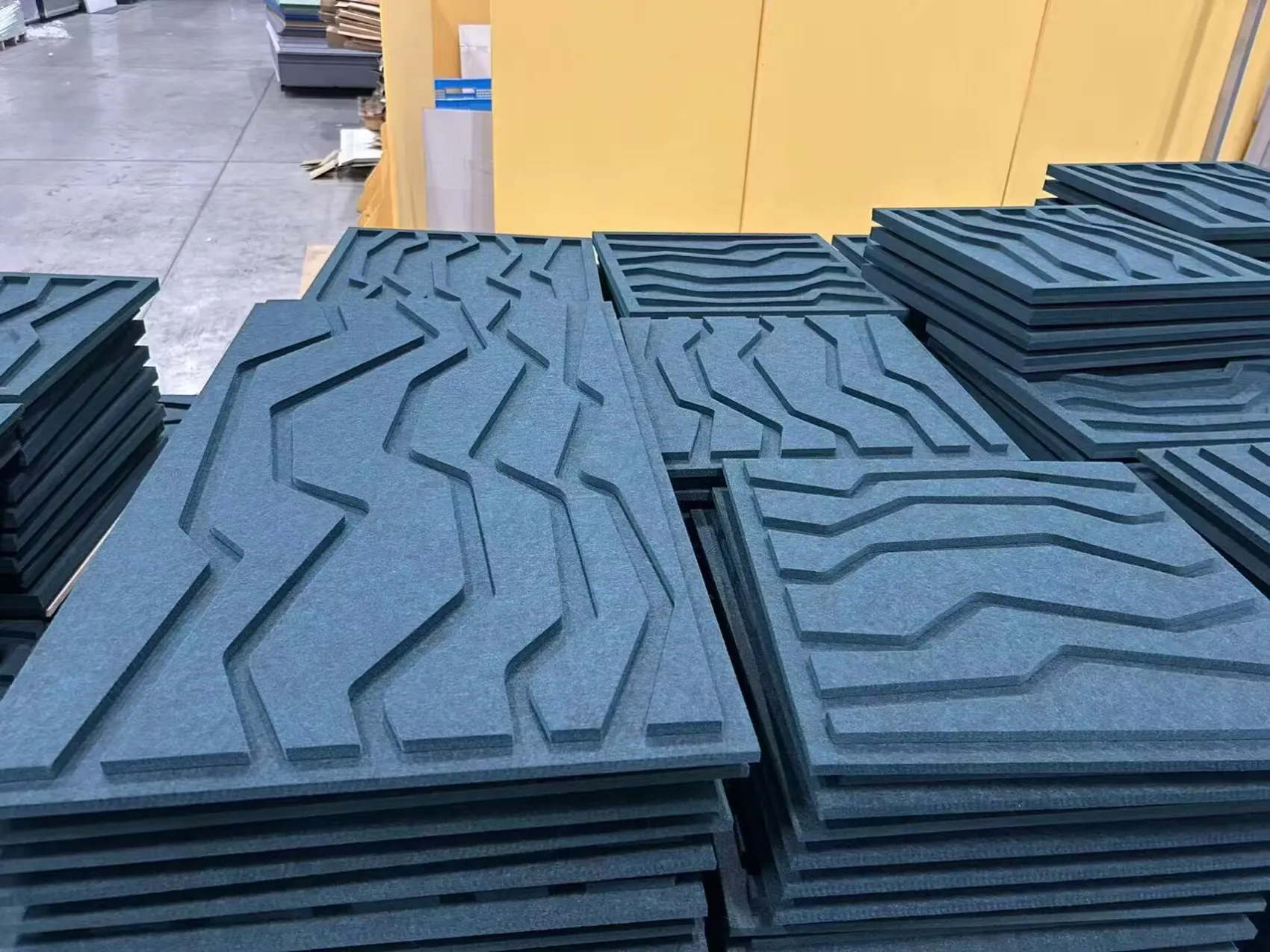
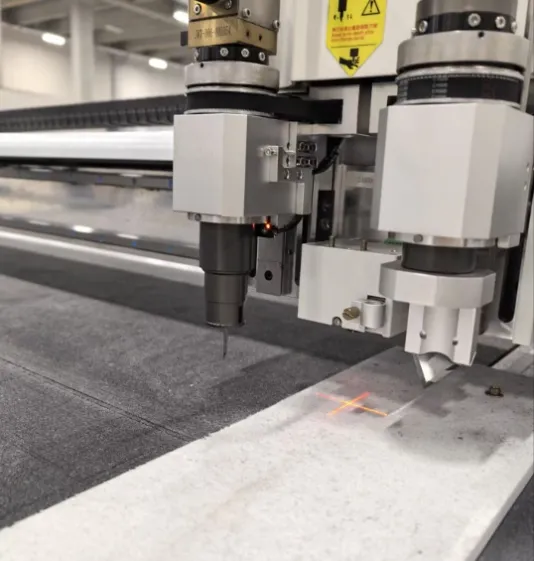
- CNC cutting accuracy
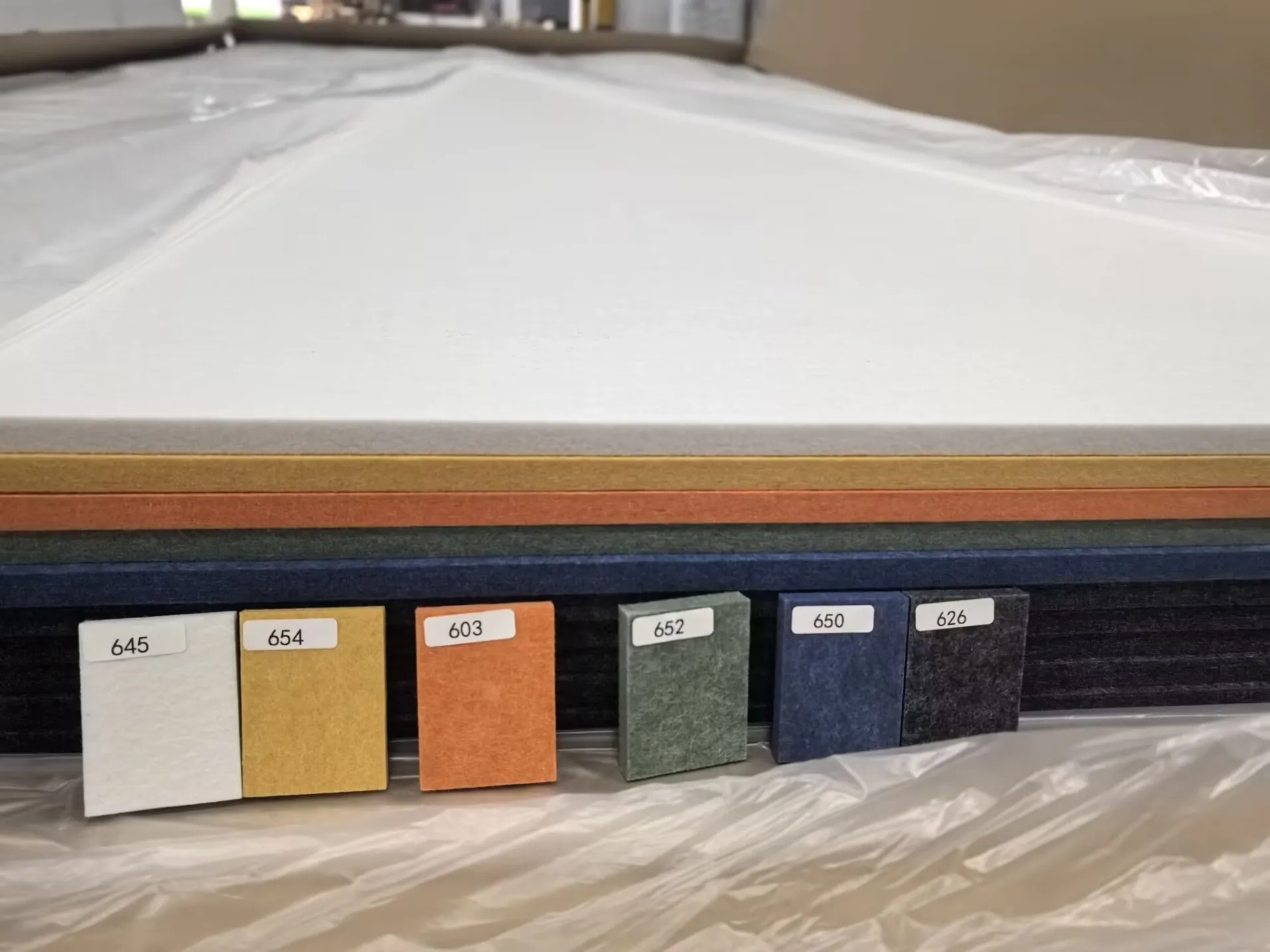
- color consistency
A supplier may provide a sample that looks good.
But long-term cooperation depends on whether the factory can maintain the same quality across hundreds or thousands of panels.
Consistency is often more important than one perfect sample.
Check Whether They Understand Acoustic Applications
A good PET felt supplier should understand more than the material itself.
Different applications have different requirements.
For example:
- Wall panels may focus on appearance and installation.
- Ceiling baffles may require better structural stability.
- Wooden slat acoustic panels need suitable backing panels.
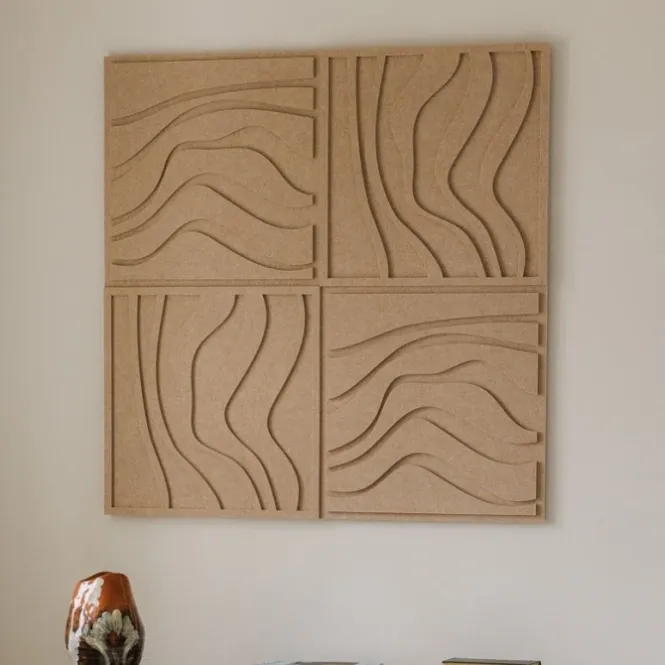
- Custom 3D designs require CNC or thermoforming experience.
A supplier who only sells sheets may not be able to provide useful suggestions.
A manufacturer with project experience can help customers avoid unsuitable solutions before production begins.
Do Not Compare Only Price Per Sheet
Price is important.
But it is only one part of the total project cost.
A cheaper panel may create additional costs through:
- higher material waste
- unstable quality
- more replacement requirements
- longer communication time
- shipping damage
For example, two PET felt panels may have the same thickness.
However, differences in:
- density
- flatness
- cutting accuracy
- packaging method
can affect the final project result.
The lowest quotation is not always the lowest cost solution.
Ask About Customization Ability
Many acoustic projects require customization.
Different sizes.
Special shapes.
CNC patterns.
Printed designs.
Thermoformed structures.
Before confirming a supplier, it is important to understand:
- Can they produce custom dimensions?
- Can they control tolerances?
- Can they support small trial orders?
- Can they maintain quality during mass production?
Customization is not only about whether a factory can make a new design.
It is about whether they can make it repeatedly and reliably.
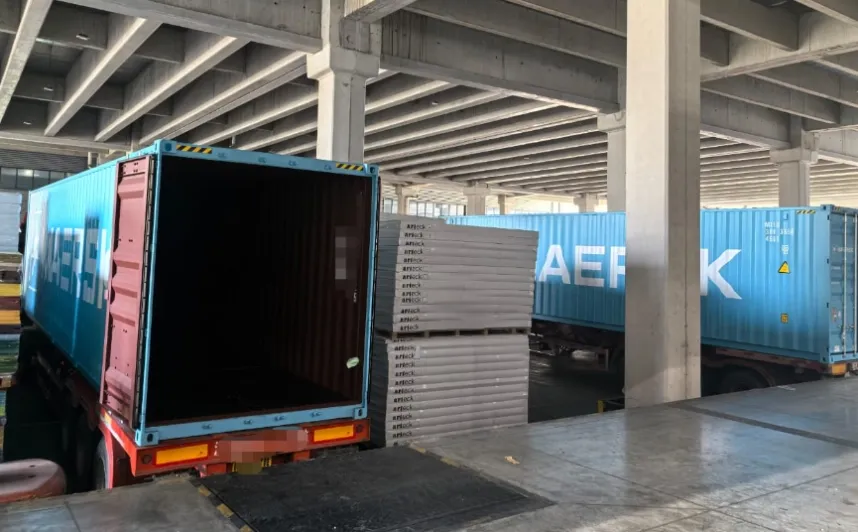
Pay Attention to Packaging and Shipping Experience
A good product can still become a bad experience if it is not properly protected during transportation.
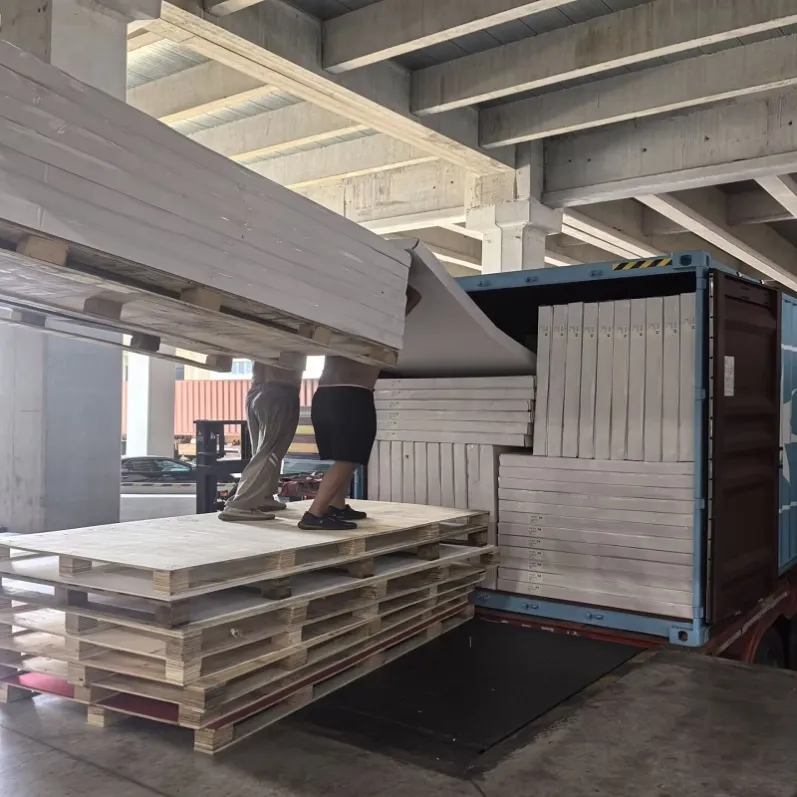
For international shipments, packaging is an important part of quality control.
A reliable manufacturer should consider:
- panel protection
- moisture prevention
- edge protection
- container loading efficiency
Different products may require different packaging solutions.
For example:
Black PET felt panels used as backing boards for wooden slat acoustic panels are often suitable for pallet packaging.
Decorative colored PET felt panels usually require carton packaging with additional protection.
Good packaging protects both the product and the customer's investment.
Communication Is Part of Supplier Capability
Many problems in international business are not caused by products.
They are caused by unclear communication.
A reliable manufacturer should be able to communicate clearly about:
- product specifications
- production schedule
- inspection results
- shipping information
- possible risks
Good communication helps customers make better decisions before problems happen.
A Reliable Supplier Thinks Beyond the Order
A long-term supplier relationship is not built by one shipment.
It is built through every successful project.
Sometimes a good manufacturer will tell customers:
- a standard size may be better than a custom size
- a different density may be more suitable
- a cheaper option may not be the best choice
This kind of advice may not always increase the order value.
But it helps build trust.
Final Thoughts
Choosing a PET felt acoustic panel manufacturer is not only about finding a factory that can produce panels.
It is about finding a partner who understands:
- material performance
- production reality
- project requirements
- shipping risks
The right supplier can help reduce uncertainty and make your acoustic projects easier to manage.
Before choosing a supplier, look beyond the price.
Look at experience, consistency, communication, and the ability to support your project from the first discussion to final delivery.
Looking for a reliable PET felt acoustic panel manufacturer for your next project?
We are happy to discuss your requirements, provide technical suggestions, and help you choose the right PET felt panel solution.
More related pages:
📩 Send us your project drawings or specifications, and we will respond with a clear quotation and production suggestion within 24 hours.
Email: info@hengmy.com