Jun 26, 2026News & Insights
Why Polyester Fiber Acoustic Panels Absorb Sound?
This article explains NRC, thickness, density, installation impact, and why sustainable PET material is a smart choice for modern projects.
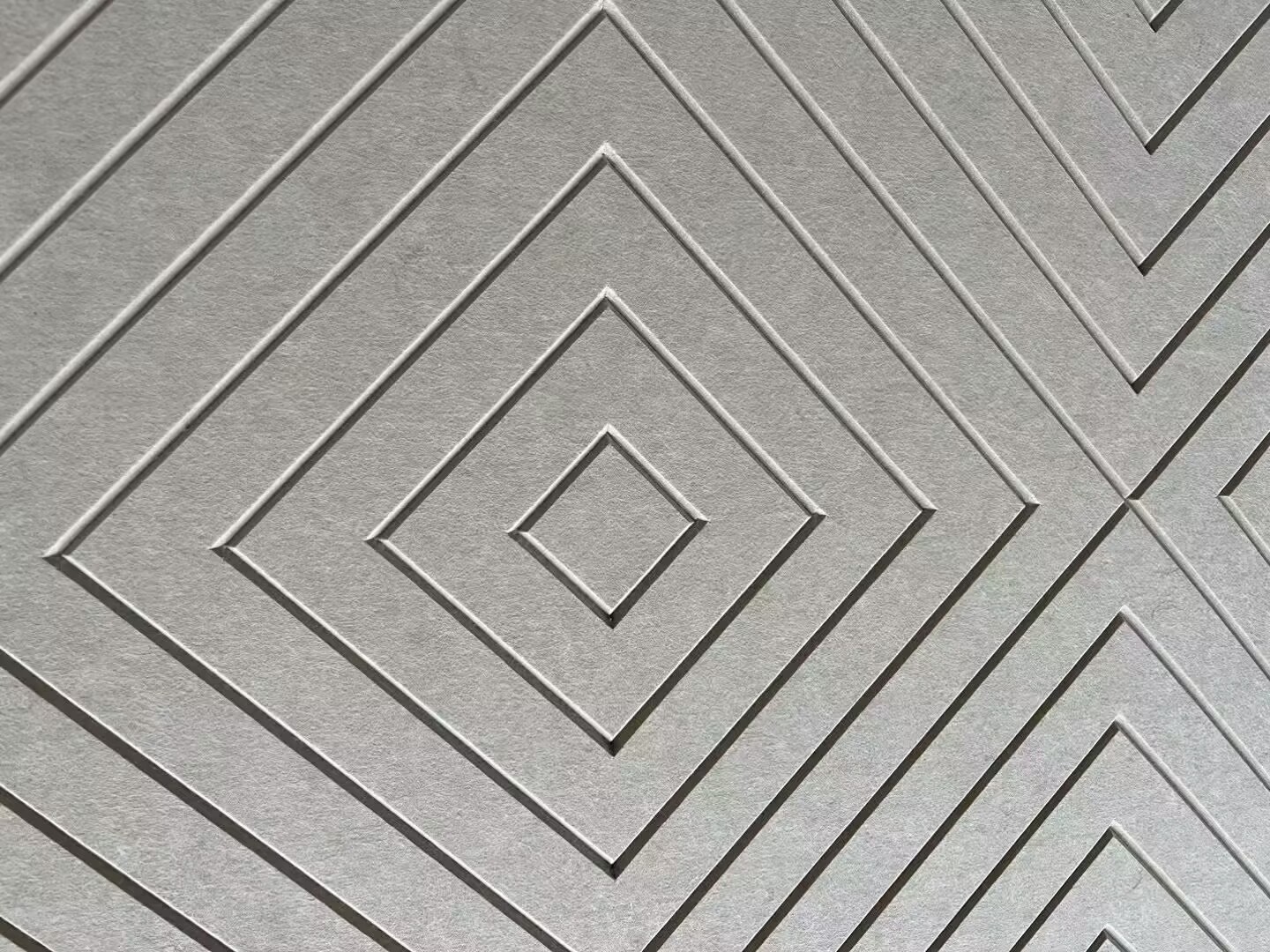
Why Polyester Fiber Acoustic Panels Absorb Sound Better Than Traditional Materials (And Why It Matters for Your Project)
Why Polyester Fiber Acoustic Panels Absorb Sound?
(And Why I Personally Recommend It for Modern Projects)
In the past few years, I receive more and more questions from architects and contractors about acoustic panels.
One question always comes:
Why does polyester fiber panel absorb sound?
But behind this question, I can feel something else.
People are not only asking about sound performance anymore.
They are asking:
- Is it safe?
- Is it sustainable?
- Is it suitable for school and public buildings?
- Will it still be acceptable 10 years later under environmental regulations?
So in this article, I want to explain not only how it works —
but also why I personally believe PET acoustic panels are a responsible choice for modern projects.

What Really Happens When Sound Hits PET Panel?
Some people think acoustic panel “blocks” sound.
It does not.
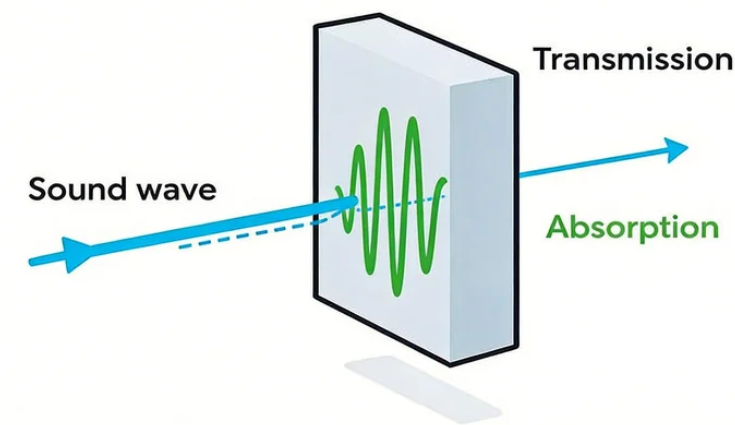
Polyester fiber panel is a porous absorber.
When sound waves enter the fiber structure:
- Air moves between the fibers
- Friction happens
- Sound energy turns into a small amount of heat
- Echo becomes weaker
It is not magic.
It is physics.
And the quality of the fiber structure determines how effective this process is.
That is why density and thickness matter.
Thickness vs Density – A Mistake I See Often
Many buyers only ask:
“What is the density?”
But honestly, this is not the correct question.
Too low density → sound passes through.
Too high density → sound cannot enter.
Thickness affects low frequency more.
Density controls resistance.
In real projects, balance is everything.
I always suggest clients:
Don’t chase the highest density.
Choose the correct specification for your room condition.
About NRC – Please Check the Test Condition
NRC number alone does not tell the full story.
You must check:
- Was there air gap behind?
- How thick was the panel?
- What mounting method?
Even a 20mm air cavity can improve performance significantly.
Many Nordic projects use slim hidden support to create small air space.
Visually clean.
Acoustically better.
This is practical experience, not theory.
Real Applications I See Most Often
In practice, PET panels are used in:
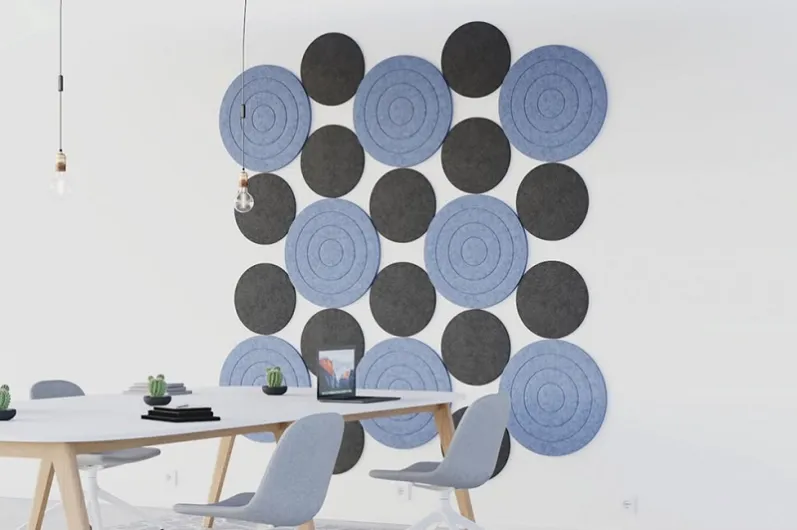
- Office meeting rooms
- Open workspace ceilings
- School corridors
- Restaurants with echo problem
- Creative studio interiors
Sometimes design is priority.
Sometimes performance is priority.
Most of the time, it is both.
That is why PET panel works well — it combines function and aesthetics.
Final Thoughts
If you are evaluating acoustic panels for your project, I suggest considering three things:
- Acoustic performance under real installation condition
- Environmental documentation
- Long-term material stability
Sound absorption is physics.
Material choice is strategy.
And I truly believe polyester fiber acoustic panel is one of the most balanced solutions available today.
Frequently Asked Questions
1. Do polyester fiber acoustic panels really absorb sound effectively?
Yes. Polyester fiber panels are porous materials. When sound waves enter the fiber structure, friction converts sound energy into heat, reducing echo and reverberation. Their performance depends on thickness, density, and installation method.
2. What NRC rating can PET acoustic panels achieve?
Depending on thickness and installation, PET panels can achieve NRC values from 0.50 to 0.90. With a small air gap behind the panel, performance improves significantly, especially in low frequencies.
3. Is polyester fiber panel better than mineral wool?
Both materials absorb sound, but PET panels have advantages such as no fiber shedding, no formaldehyde, low VOC, recyclability, and easier handling. For schools and commercial spaces, many designers prefer PET for environmental and safety reasons.
4. Does installation method affect sound absorption?
Yes. Direct wall mounting gives good mid and high frequency absorption. Adding a 10–50mm air cavity behind the panel can significantly improve overall NRC and low-frequency performance.
5. Are PET acoustic panels environmentally friendly?
Most PET panels are made from recycled plastic bottles. They are low VOC, formaldehyde-free, and recyclable, making them suitable for sustainable building projects.
Need Test Report or Sample?
If you are working on a project and need:
- Acoustic test report
- Fire classification
- VOC documentation
- Installation suggestion
- Sample for evaluation
Feel free to contact us.
We are happy to support your project with real data and practical advice.
*response in 24hours
Related pages