Jun 26, 2026News & Insights
PET Acoustic Panel NRC Guide for Architects | Performance & Installation Impact
Understand what NRC really means for PET acoustic panels. Learn how thickness, density and installation affect performance. Download acoustic test report for commercial projects.
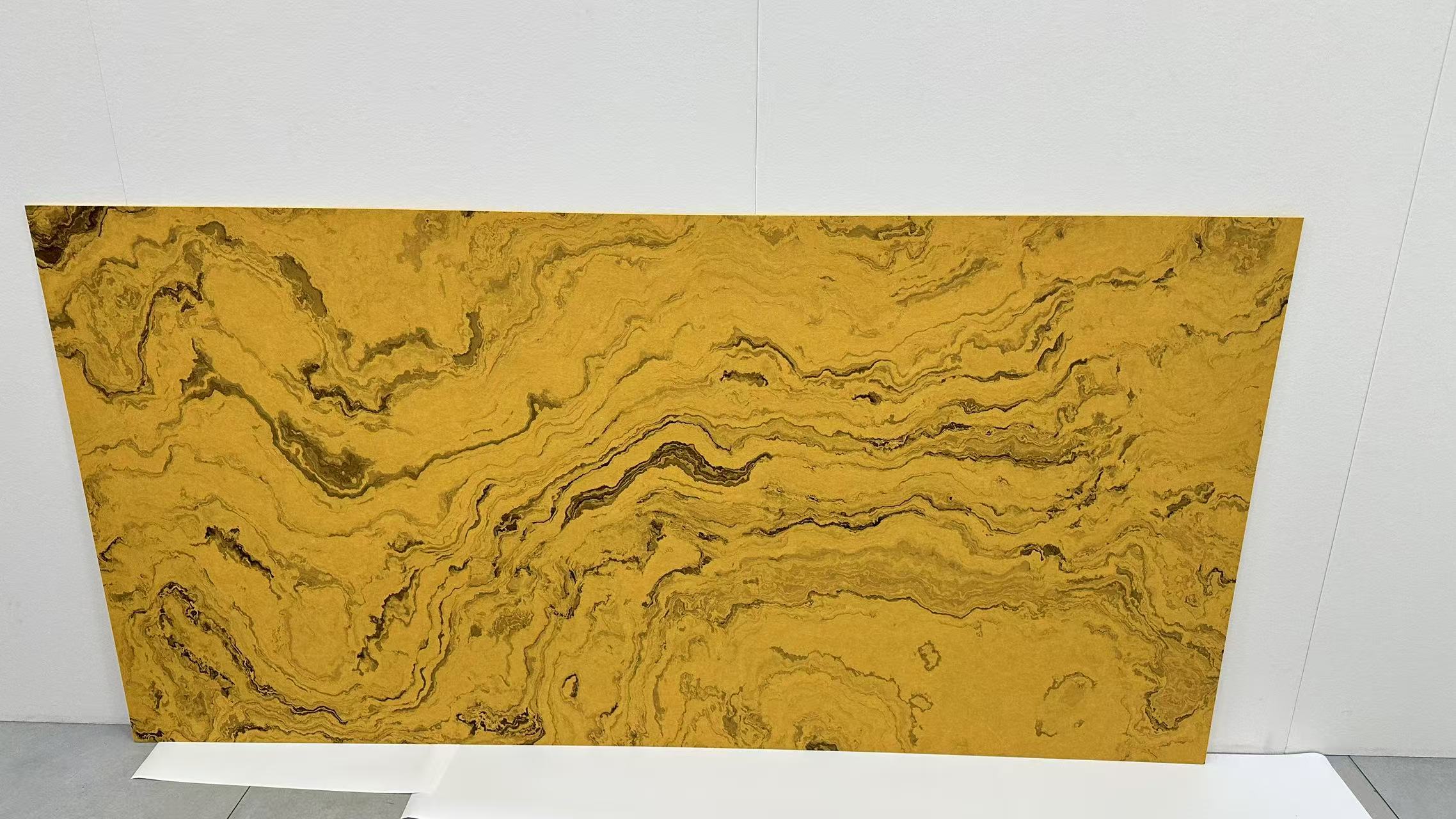
PET Acoustic Panel NRC Guide for Architects (What the Number Really Means in Real Projects)
In many projects, the first question I receive is:
“What is your NRC?”
Sometimes it feels like NRC becomes the only number people care about.
But after working with many office, school and commercial projects, I can say honestly:
NRC number alone does not tell the full story.
In this article, I want to explain clearly:
- What NRC really means
- How PET acoustic panels achieve high NRC
- Why installation method changes everything
- And how to choose correctly for your project
Because good acoustic performance is not about chasing the biggest number.
It is about understanding how it works in real conditions.
What Is NRC?
NRC means Noise Reduction Coefficient.
It is an average of sound absorption at four frequencies:
- 250 Hz
- 500 Hz
- 1000 Hz
- 2000 Hz
If a panel has:
- NRC 0.80 → it absorbs about 80% of sound energy
- NRC 0.60 → absorbs about 60%
But here is something important:
NRC does not show low frequency performance clearly.
And it does not explain installation condition.
So when someone says:
“We need NRC 0.90.”
I always ask:
“Under which mounting condition?”
How PET Acoustic Panels Achieve High NRC
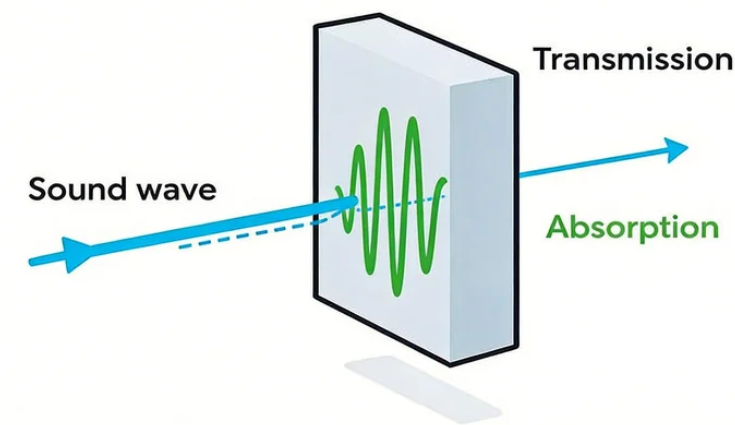
Polyester fiber panels are porous absorbers.
When sound waves enter the fiber structure:
- Air moves inside
- Friction happens
- Sound energy converts to small amount of heat
- Echo reduces
The internal fiber structure is very important.
If density is too low → sound passes through.
If density is too high → sound cannot enter.
That is why controlled density and correct thickness matter.
For example:
- 9mm PET → mainly mid and high frequency
- 12mm PET → balanced performance
- 24mm PET → better low frequency control
In real office projects, 12mm or 24mm is usually more practical.
Installation Changes NRC More Than People Expect
This is where many specifications go wrong.
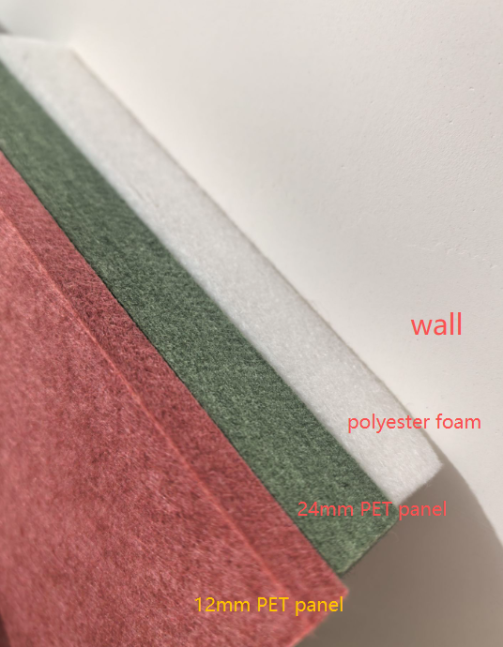
If you mount PET panel directly on solid wall:
You get good mid and high frequency absorption.
But if you add even 20–50mm air gap behind panel:
Low frequency absorption improves significantly.
Overall NRC increases.
Same panel.
Different installation.
Different result.
That is why in many Nordic and European projects, small hidden support systems are used.
Visually clean.
Performance better.
If your project requires Class A absorption, installation design must be considered early.

Why I Personally Prefer PET felt Over Traditional Materials
There are many acoustic materials in the market:
- Mineral wool
- Foam
- Wood wool boards
All of them absorb sound.
But today, acoustic performance is not the only factor anymore.
In many European projects, clients also ask:
- Is it recyclable?
- Does it contain formaldehyde?
- What is the VOC level?
- Is it safe for schools?
PET acoustic panel has clear advantages:
- Made from recycled PET bottles
- Low VOC
- No formaldehyde
- No fiber shedding
- Clean handling
- Stable dimension
Personally, I believe sustainable materials are not trend.
They are direction of construction industry.
In 5–10 years, environmental compliance will become stricter.
Choosing recyclable PET is not only acoustic decision —
it is long-term responsible decision.
What Architects Should Check Beyond NRC
Before selecting acoustic panels, I suggest checking:
- Thickness vs frequency requirement
- Installation method (direct vs cavity)
- Fire classification (EN 13501 or local standard)
- VOC documentation
- Real laboratory test report
NRC number on brochure is not enough.
Always check the test condition.
Typical Project Applications
PET acoustic panels are widely used in:
- Open office ceiling baffles
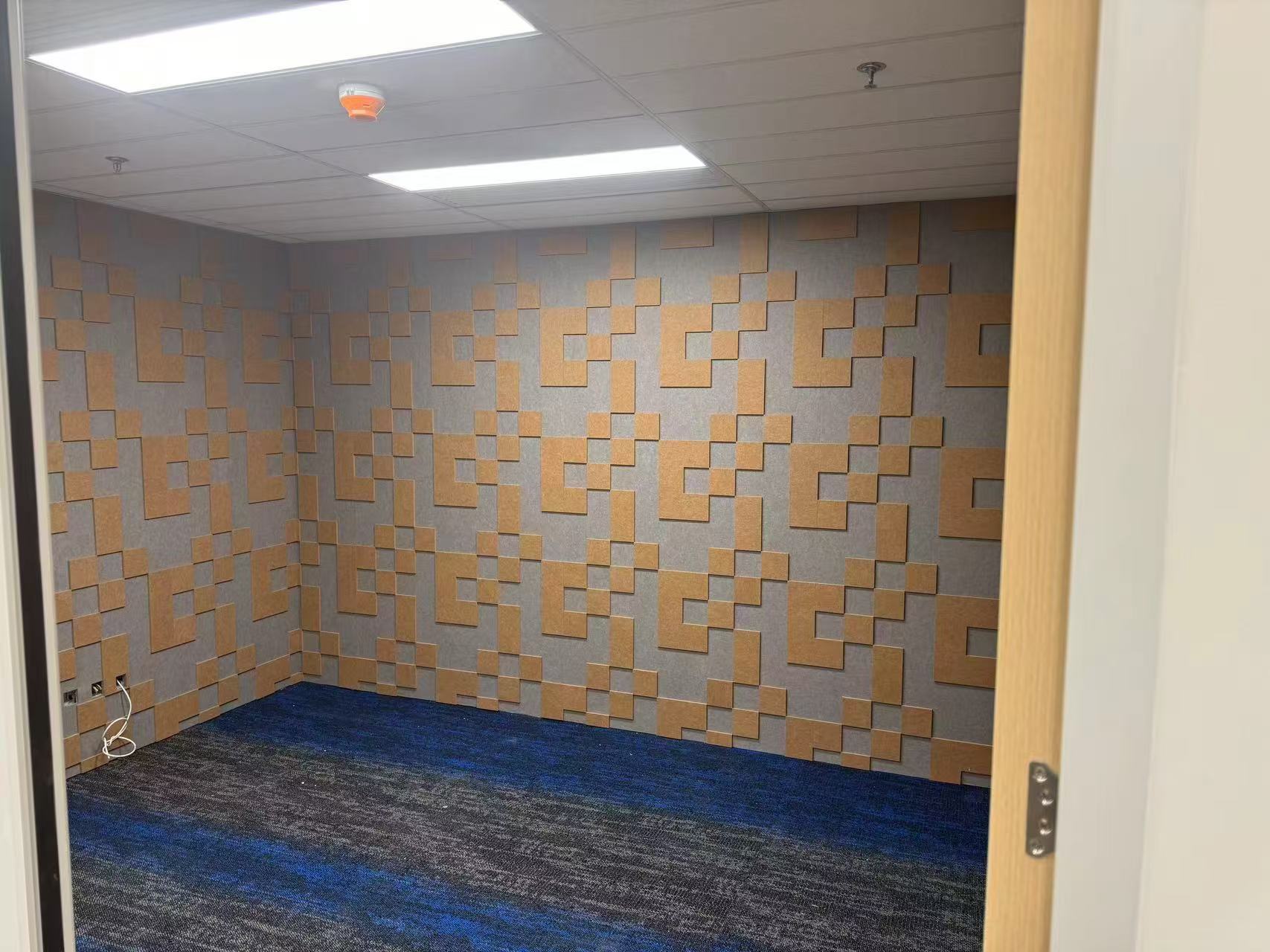
- Meeting room wall coverings
- School corridors
- Hospitality dining areas
- Creative studios
Sometimes design is priority.
Sometimes performance is priority.
PET panel works well because it combines both.



More pages related
Download Full Acoustic Test Report
If you need:
You can contact us or request sample directly.
We are happy to support your project with real data, not just marketing numbers.
Response in 24huors!